
Hanjiang Festival Showcases Hezhe Culture, Drives Spring Tourism to Jiamusi
Jiamusi's Hanjiang Festival revives a centuries-old Hezhe river awakening ritual in spring 2026, attracting visitors from across China and Russia. This ancient ceremonial tradition transforms into a major regional tourism draw.

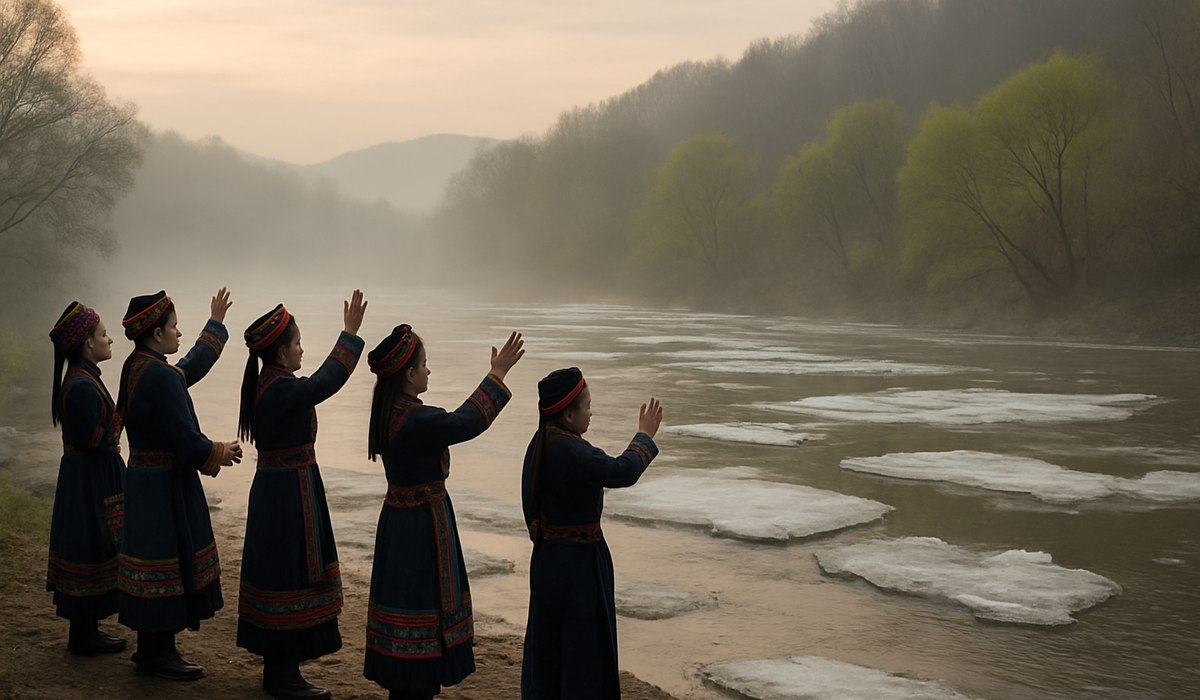
Image generated by AI
Hanjiang Festival Transforms Ancient Hezhe Tradition Into Major Spring Tourism Event
The Hanjiang Festival in Jiamusi is redefining cultural tourism in Northeast China by converting a centuries-old indigenous river ritual into a marquee springtime celebration. Held each April when ice breaks on the Heilongjiang waterways, this festival honors the Hezhe people's spiritual connection to the river while welcoming thousands of domestic and international visitors. The 2026 edition reinforces Jiamusi's position as a gateway for cross-border cultural exchange between China and Russia, blending ancestral traditions with modern tourism infrastructure.
Ancient River Awakening: The Hezhe Spring Tradition
The heart of the Hanjiang Festival lies in a dramatic awakening ceremony rooted in Hezhe customs. The Hezhe, one of China's smallest ethnic groups, have inhabited the Heilongjiang, Songhua, and Wusuli river basins for centuries. Each spring, they traditionally gather on riverbanks to chant and call toward the water, spiritually summoning the river to awaken from winter's freeze and blessing the upcoming fishing season.
The 2026 celebration on April 10 featured performers dressed in traditional Hezhe garments leading ritual movements and ceremonial chants. Against a backdrop of melting ice sheets and emerging spring vegetation, the ceremony symbolized humanity's respect for nature and dependence on river ecosystems. This living tradition connects contemporary visitors to pre-modern spiritual practices, offering anthropological and experiential value that draws cultural tourism enthusiasts.
The ritual traces its roots to the Kaijiang ceremony, an ancestral spring observance where riverside communities prayed for favorable weather and abundant fish harvests. Modern organizers emphasize the environmental dimension of this practice, presenting the festival as a gesture of ecological harmony. For travelers, attending the Hanjiang Festival provides rare access to an indigenous tradition performed authentically within its original geographical and seasonal context.
Learn more about Northeast China's indigenous cultures.
From Kaijiang Ceremony to Modern Festival
The evolution from localized Kaijiang ritual to city-scale festival illustrates how traditional practices adapt to contemporary tourism economies. Decades ago, the ceremony existed primarily as a spiritual observance within Hezhe communities. Today's Hanjiang Festival retains core symbolism while incorporating staged performances, cultural markets, and organized visitor experiences.
This transformation reflects broader trends in cultural preservation and heritage tourism across China. Rather than commodifying traditions destructively, festival organizers work to present Hezhe customs authentically while generating economic benefits for local communities. The festival creates employment for performers, artisans, tour guides, and hospitality workers throughout the region.
Festival organizers have deliberately positioned the Hanjiang Festival as educational infrastructure for understanding Hezhe language, cosmology, and ecological knowledge. Indigenous narratives about river management, seasonal cycles, and sustainable fishing practices become accessible to outsiders through organized programming. This approach supports intergenerational knowledge transmission within Hezhe communities while fostering cultural appreciation among Chinese and international audiences.
Cultural Tourism Boom in Heilongjiang
The Hanjiang Festival serves as centerpiece of a broader Hezhe cultural revival extending across Heilongjiang Province. Beyond Jiamusi, settlements in Tongjiang, Fuyuan, Fujin, Huachuan, and Tangyuan counties host complementary cultural events, creating a distributed network of Hezhe-themed tourism destinations. This regional approach encourages visitors to explore multiple communities rather than concentrating tourism pressure on single locations.
Cultural programming highlights Yimakan, an epic storytelling and chanting tradition performed without instrumental accompaniment. Festival performances incorporate Yimakan-style narratives, introducing audiences to Hezhe cosmology and historical memory. Traditional clothing displays showcase fish and wave-patterned textiles, beadwork, and embroidery reflecting riverine themes central to Hezhe identity.
Visitor experience encompasses market stalls offering authentic handicrafts including carved items, textiles, and fishing tools adapted from ancestral practices. These commercial activities provide artisans with sustainable income while enabling travelers to purchase meaningful cultural artifacts. The multi-venue festival model also facilitates organized excursions to wetlands, riverfront parks, and historical sites, combining cultural experiences with nature-based sightseeing opportunities.
Visit Heilongjiang Provincial Tourism Bureau for comprehensive travel planning resources.
What Visitors Experience at Hanjiang Festival
The festival caters to diverse traveler interests through layered programming extending across multiple weeks. Early April draws visitors specifically for the opening river awakening ceremony, considered the spiritual centerpiece. Mid-April witnesses expanded cultural performances, with daily programming featuring traditional dances, music, and storytelling sessions.
Organized group tours from major Chinese cities like Harbin and Shanghai depart during festival weeks, combining Jiamusi visits with broader Northeast China itineraries. Self-drive travelers access detailed route maps and accommodation guides published by regional tourism authorities. River cruise operators have begun marketing Hanjiang Festival-timed voyages down the Heilongjiang, offering floating perspectives of spring ice breakup and cultural performances.
Russian tourists comprise a significant visitor segment, reflecting Jiamusi's position directly across the border from Russia's Far East. Cross-border tourism packages marketed in Russia emphasize the festival's exotic appeal and relatively accessible pricing. This international dimension transforms the Hanjiang Festival into a diplomatic cultural bridge, strengthening people-to-people connections between Chinese and Russian communities.
Accommodation capacity has expanded substantially to handle increased springtime demand. Jiamusi hotels report occupancy rates exceeding 85 percent during festival weeks, with many establishments offering festival-themed packages bundling lodging, meals, and cultural event access. Local restaurants promote seasonal Hezhe cuisine alongside standard regional dishes.
Hanjiang Festival 2026: Key Travel Information
| Aspect | Details |
|---|---|
| Festival Dates | Mid-April annually; 2026 opening ceremony April 10 |
| Primary Location | Jiamusi, Heilongjiang Province |
| Secondary Venues | Tongjiang, Fuyuan, Fujin, Huachuan, Tangyuan counties |
| Key Tradition | Hezhe river awakening ceremony and spring blessing ritual |
| Visitor Origins | Domestic visitors from major Chinese cities; Russian tourists from Far East |
| Cultural Highlights | Yimakan storytelling, traditional dance, handicraft markets, riverside rituals |
| Peak Attendance | April 10-20; advance booking recommended for accommodations |
| Visitor Facilities | Multiple cultural pavilions, food vendors, guided tour services |
| Regional Focus | Lower Heilongjiang and Songhua river corridors |
| Associated Activities | Wetland excursions, riverfront walks, historical site visits |
What This Means for Travelers
The Hanjiang Festival offers distinctive opportunities for culturally-engaged tourism in undervisited regions of Northeast China:
-
Plan two to three days minimum to experience both central Jiamusi events and satellite venues in river towns. This timeline accommodates the opening ceremony, cultural performances, and day trips to wetlands or historical sites without rushed travel.
-
Book accommodations four to six weeks in advance during festival weeks. Mid-April demand significantly exceeds regular-season capacity, and early booking secures preferred properties and rates.
-
Consider guided tours for cultural context. Professional guides fluent in Hezhe history and Yimakan traditions enhance visitor understanding of ritual symbolism and contemporary community life beyond surface-level spectacle.
-
Access the festival via Harbin or Mudanjiang. Major air connections serve these regional hubs, with ground transportation to Jiam
Disclaimer
This article is for informational and educational purposes only. It does not constitute legal, financial, or professional advice. While we strive to provide accurate and up-to-date information, travel policies, regulations, and conditions change rapidly. Always verify information with official sources before making travel decisions. Nomad Lawyer makes no representations about the accuracy, reliability, completeness, or suitability of the information provided. Readers should consult qualified professionals for advice specific to their circumstances. The views expressed in this article are those of the author and do not necessarily reflect the views of Nomad Lawyer.
Preeti Gunjan
Contributor & Community Manager
A passionate traveller and community builder. Preeti helps grow the Nomad Lawyer community, fostering engagement and bringing the reader experience to life.
Learn more about our team →