
Hainan Airlines to Sell 80% Stake in Aircraft Part-Out Subsidiary to Streamline Operations in 2026
Hainan Airlines is divesting a majority 80% stake in its aircraft components and part-out business to reduce debt and shift toward an asset-light maintenance model.

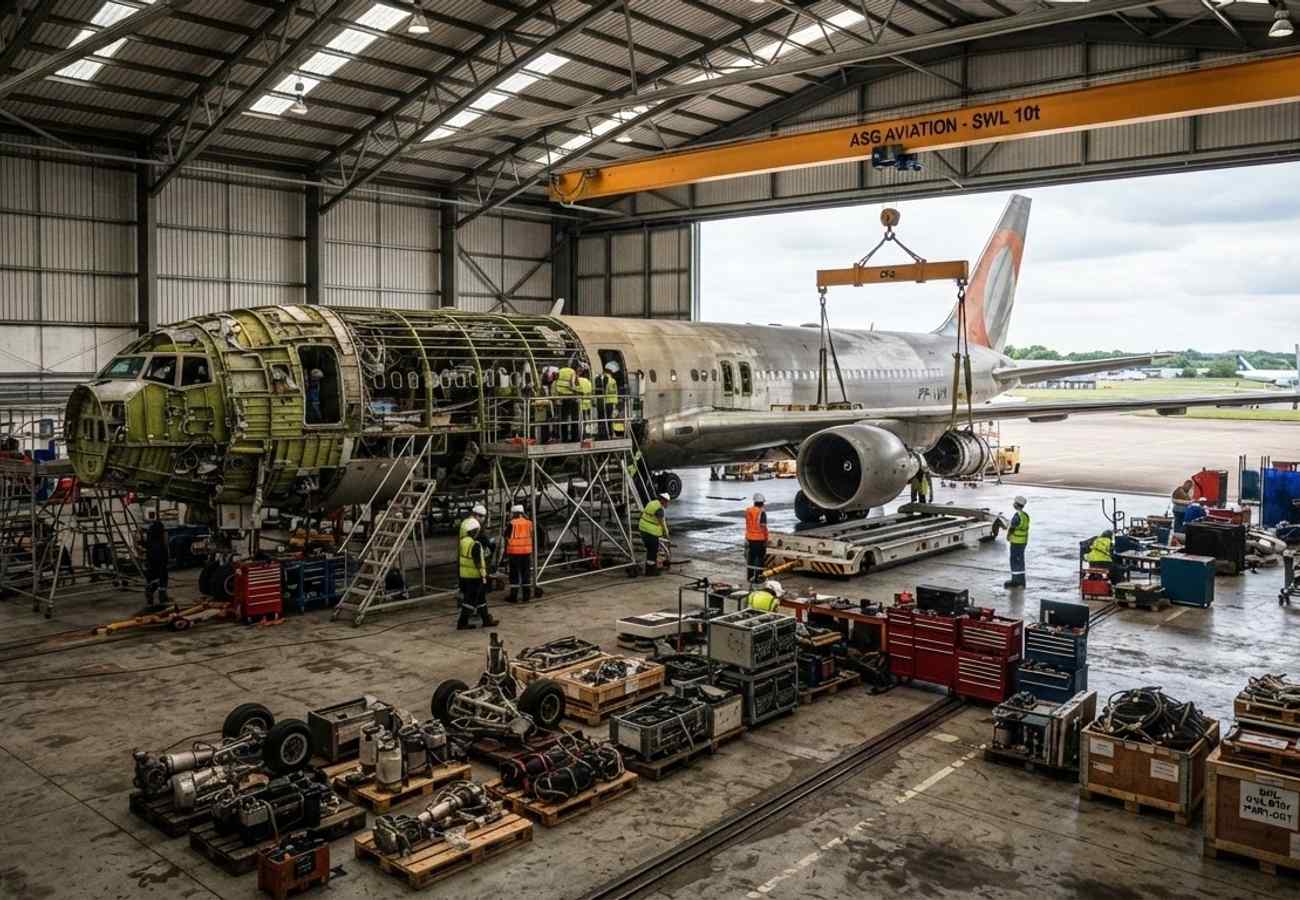
Image generated by AI
Hainan Airlines is offloading a controlling 80% stake in its specialized aircraft part-out and components unit. This strategic pivot aims to liquidate non-core assets and insulate the carrier from the volatility of the aviation spare parts market.
The planned divestment marks a significant shift in how the carrier manages its technical infrastructure. By transferring majority control to external investors, Hainan Airlines intends to transition from a vertically integrated owner to a leaner operator that relies on strategic service agreements.
Strategic Shift Toward Asset-Light Maintenance
The subsidiary in question specializes in the high-stakes process of dismantling end-of-life aircraft. This involves salvaging reusable avionics, engines, landing gear, and interior systems to be resold or reused across the HNA-affiliated fleet and third-party clients.
By selling 80% of this business, the airline achieves several financial and operational goals:
- Capital Liquidity: Freeing up cash tied up in heavy infrastructure and inventory.
- Risk Mitigation: Reducing direct exposure to the fluctuating prices of the aircraft parts aftermarket.
- Operational Focus: Allowing leadership to concentrate on passenger route networks and fleet profitability.
Industry trends suggest that full-service carriers are increasingly exiting specialized technical niches. By partnering with dedicated maintenance, repair, and overhaul (MRO) providers, airlines can maintain access to critical components without the overhead of owning the disassembly facilities.
Legacy of the HNA Group Restructuring
This move is the latest chapter in the broader unwinding of the HNA Group, once one of China's most aggressive corporate conglomerates. Following years of restructuring, the group has systematically shed non-transport holdings to stabilize its balance sheet.
The part-out unit was originally an extension of the group's internal technical capabilities. While the business of "teardowns" offers strong margins, it requires immense working capital to store and remarket components. For Hainan Airlines, the benefit of owning the process is now outweighed by the benefit of monetizing the asset.
Impact on Fleet Lifecycle and Passenger Service
The transition to a third-party controlled parts provider will likely alter how Hainan Airlines handles aircraft retirements. With a dedicated specialist managing the recovery of value from old jets, the airline can more efficiently cycle out aging, fuel-inefficient airframes.
This acceleration of fleet renewal supports two primary objectives:
- Cost Reduction: Newer aircraft typically offer lower fuel burn and reduced maintenance costs.
- Sustainability: Modern jets produce fewer emissions per seat, aligning with global environmental mandates.
From a passenger perspective, this transaction is a back-office realignment. Safety oversight, airworthiness certifications, and maintenance standards remain the responsibility of the airline and regulated providers; the change is strictly one of ownership and procurement logistics.
Growth of the Chinese Aviation Aftermarket
The sale highlights the increasing attractiveness of China's aviation aftermarket for global investors. As a massive wave of narrowbody and widebody aircraft from the 1990s and early 2000s reach the end of their economic lives, the demand for professional disassembly and component resale is surging.
Investors acquiring the 80% stake gain an immediate foothold in this growth sector, anchored by a guaranteed customer base in Hainan Airlines. Meanwhile, the carrier retains a minority interest, allowing it to benefit from the subsidiary's future profitability without managing its daily risks.
Summary of Divestment Details
| Feature | Detail |
|---|---|
| Stake Being Sold | 80% |
| Retained Interest | 20% (Minority Stake) |
| Business Focus | Aircraft part-out, component salvage, and inventory management |
| Primary Objective | Capital liberation and shift to asset-light model |
| Key Assets Salvaged | Engines, landing gear, avionics, and interior systems |
Key Takeaways
- Financial De-risking: Hainan Airlines is reducing its exposure to the volatile parts market to improve cash flow.
- Fleet Modernization: A dedicated part-out partner allows the airline to retire old aircraft faster and adopt fuel-efficient models.
- Market Trend: The move reflects a broader industry shift where airlines outsource specialized technical services to MRO experts.
- Investment Opportunity: The sale opens a significant portion of China's aircraft teardown market to external private equity or state-linked investors.
FAQ
Will this affect flight safety or maintenance quality? No. Maintenance standards and airworthiness are regulated by aviation authorities and remain the responsibility of the airline, regardless of who owns the parts supply chain.
Why sell a profitable part-out business? While margins can be high, the business requires massive amounts of working capital and specialized expertise. Selling the stake allows the airline to prioritize its core passenger operations.
What happens to the old aircraft? They will continue to be dismantled for parts, but the process will be managed by the new majority owners who specialize in asset recovery.
A strategic retreat from technical ownership to secure operational longevity.
Related Travel Guides
Disclaimer
This article is for informational and educational purposes only. It does not constitute legal, financial, or professional advice. While we strive to provide accurate and up-to-date information, travel policies, regulations, and conditions change rapidly. Always verify information with official sources before making travel decisions. Nomad Lawyer makes no representations about the accuracy, reliability, completeness, or suitability of the information provided. Readers should consult qualified professionals for advice specific to their circumstances. The views expressed in this article are those of the author and do not necessarily reflect the views of Nomad Lawyer.
Raushan Kumar
Founder & Lead Developer
Full-stack developer with 11+ years of experience and a passionate traveller. Raushan built Nomad Lawyer from the ground up with a vision to create the best travel and law experience on the web.
Learn more about our team →