
Habits Make Americans Stand Out in Europe: 6 Behavioral Tells in 2026
Travel analysts reveal the six habits make Americans instantly recognizable across European destinations in 2026. From loud conversations to athleisure wear, discover what sets U.S. visitors apart and how to blend in seamlessly.

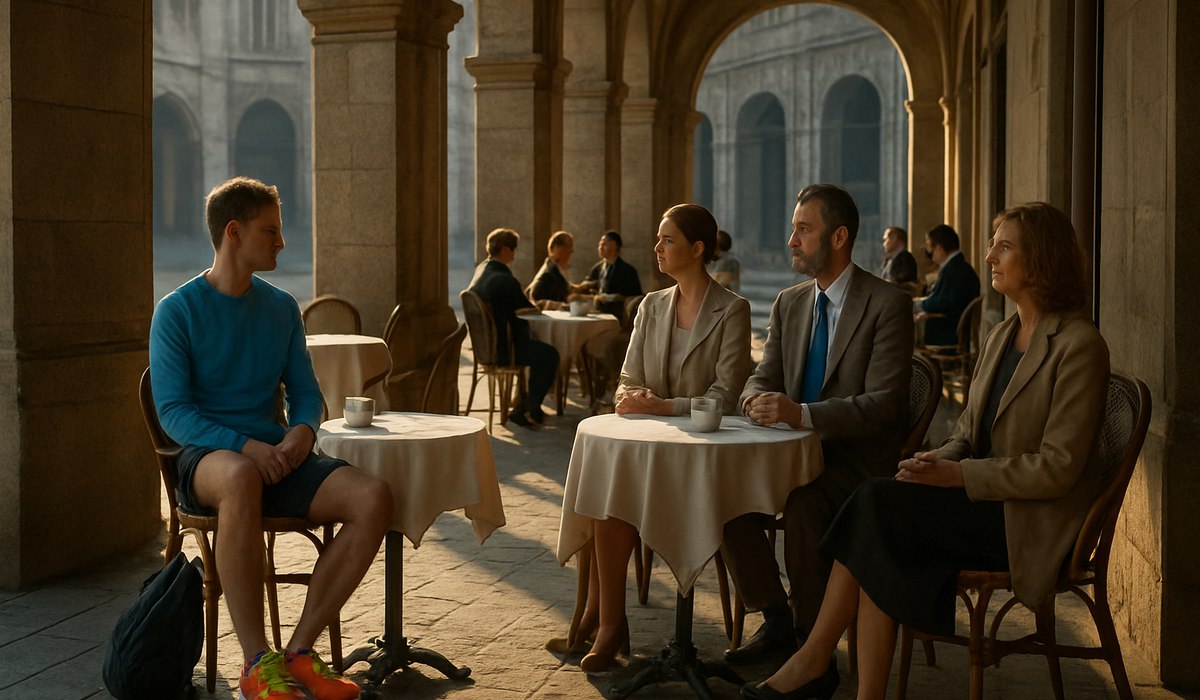
Image generated by AI
American Travelers Are Instantly Recognizable—But Not for the Reason You'd Think
American visitors to Europe are unmistakable, yet rarely because of accents or passports. Travel analysts and destination experts tracking post-pandemic tourism patterns across 2026 have identified six consistent behavioral and stylistic markers that signal U.S. origin within minutes of arrival. From volume levels in public spaces to clothing choices and service expectations, these habits make Americans stand out in ways both subtle and impossible to ignore. Understanding what makes Americans distinctive helps visitors navigate European norms more respectfully and enjoy destinations without the discomfort of constant visibility.
Loud Voices and Big Personalities in Quiet Spaces
Volume represents the most frequently documented way habits make Americans stand out across European cities. Travel forums, hospitality guides, and social media communities consistently highlight that conversation levels in American public spaces differ sharply from European expectations. A discussion that feels conversational in a Manhattan restaurant registers as disruptive on a Vienna U-Bahn train.
Architectural design amplifies this contrast. Historic European buildings feature narrow streets, stone surfaces, and compact interior spaces that naturally carry sound farther and longer. Social conventions reinforce this reality—many European cultures prioritize quiet reflection in shared spaces, treating public transport and cafés as environments requiring consideration rather than entertainment venues.
American travelers often maintain the same animated tone they use at home, unaware that projection and enthusiasm register as intrusive. Phone conversations become unavoidable broadcasts. Excited commentary about museum exhibits travels across entire galleries. Laughter from a group echoes through quiet restaurants where other diners expect ambient calm.
Blending in requires simple awareness. Observing ambient noise levels for two minutes before speaking, lowering phone conversations to whispers, and reserving animated discussion for designated social venues helps visitors match local expectations. Small adjustments—pausing between comments, avoiding rapid-fire conversation, and keeping enthusiasm modulated—transform recognizable American behavior into signs of cultural sensitivity. According to the European Travel Commission's 2026 visitor behavior report, tourists who practice active listening in public spaces report 40% better interactions with locals.
Signature Fashion: Sneakers, Sports Logos and Athleisure
Clothing choices remain another unmistakable signal. The stereotypical American tourist uniform appears consistent across European destinations: oversized sneakers in bright colors, university hoodies, sports jerseys, baseball caps, and practical outdoor gear combined in ways that rarely appear on local residents.
European street style, even in casual contexts, follows different conventions. Locals wear trainers, but typically paired with tailored pants or understated skirts rather than athletic shorts. A Parisian on errands chooses a structured coat, slim sneakers, and coordinated accessories. Athletic wear remains reserved for gyms and weekend activities, not public transport or restaurant visits.
This distinction creates immediate visual separation. A group in matching Nikes and oversized university sweatshirts becomes impossible to overlook in a medieval square where residents wear neutral layers and closed-toe shoes. The combination signals American origin more reliably than any accent.
Smart substitutions preserve comfort without sacrificing subtlety. Swapping graphic tees for plain cotton tops, choosing neutral-colored sneakers over neon versions, and replacing team caps with scarves or simple beanies helps visitors integrate visually. Neutral-colored crossbody bags work better than bulky backpacks or fanny packs. Layered sweaters and structured jackets replace oversized hoodies as practical alternatives.
Seasonal awareness matters equally. Many Americans wear shorts when locals still consider temperatures cool enough for long pants. Arriving in athletic wear when residents default to smart-casual dress signals outsider status immediately. Checking local weather patterns and typical dress codes before packing bridges this visibility gap effectively.
Tipping, Service Expectations and the Money Question
Service culture and gratuity expectations create significant friction points where habits make Americans behave differently than locals expect. American visitors commonly apply domestic tipping practices—18 to 20 percent of restaurant bills—to European destinations where service staff earn different base wages and service charges are typically included.
European hospitality professionals generally expect modest gratuities representing genuine appreciation rather than obligatory percentages. Rounding up a bill by one or two euros, or leaving 5 to 10 percent for exceptional service, registers as generous. Large cash tips, while welcomed in high-tourist zones, can create confusion in traditional establishments where tipping feels less normalized.
Travelers should examine bills carefully before adding amounts. Many European restaurants include service charges within listed prices. Asking quietly whether gratuity is already included prevents accidental double-tipping and aligns with local practice. Viewing tips as small gestures—not automatic percentages—reshapes the interaction from transactional to appreciative.
Money commentary itself marks American visitors instantly. Loud discussions about how "cheap" or "expensive" everything feels compared with U.S. prices appear constantly in traveler discussions as recognizable American behavior. Keeping price assessments private, and treating local costs as part of the experience rather than running calculations against home prices, helps visitors avoid this visibility marker. Tourism boards across major European cities recommend approaching local economies with respect rather than comparison.
Other Recognizable Patterns: Directness, Scheduling, and Spontaneity
Beyond volume, fashion, and money, additional behavioral patterns distinguish American travelers. Direct communication styles—what U.S. culture treats as efficient honesty—can register as rudeness in societies valuing indirectness and relationship-building before transactions.
Americans frequently ask personal questions immediately in conversation, a habit reflecting openness and friendliness at home but potentially perceived as intrusive abroad. Compliments about appearance, unsolicited advice, and direct criticism differ sharply from European communication norms emphasizing circumlocution and politeness-first approaches.
Scheduling flexibility represents another marker. American travelers often book trips with flexible itineraries, expecting to adjust plans based on spontaneous discoveries. This approach contrasts with European visitors who typically plan detailed routes in advance, booking accommodations and attractions weeks ahead.
Rushing constitutes its own recognizable behavior. American tourists frequently power through multiple destinations quickly, checking boxes on must-see lists. European travelers more commonly extend stays in single locations, prioritizing depth over coverage. This difference in pace becomes obvious to locals observing how visitors move through spaces.
Psychology Behind the Differences: Culture, Size, and Expectations
Understanding why habits make Americans stand out requires examining cultural foundations. The United States covers vast geography with dispersed populations. Personal space, individual choice, and confidence in self-expression define American cultural values. European cities developed through centuries of dense settlement, where community consideration and subtle social negotiation became survival mechanisms.
American optimism and enthusiasm—cultural strengths in U.S. contexts—register differently in societies valuing restraint and reserve. What Americans interpret as friendliness and openness, others may perceive as loudness or self-centeredness.
Geographic scale matters profoundly. Americans accustomed to driving between destinations experience European density as shocking. Compact cities with extensive public transportation create different social expectations around noise, personal space, and group behavior.
Economic context shapes service interactions fundamentally. American tipping culture emerged from historical wage structures and service industry economics. European systems developed differently, with living wages and different customer-service philosophies producing divergent expectations.
American Visitor Behavior Markers Across European Destinations
| Behavioral Marker | Frequency Cited | European Expectation | Recommended American Adjustment |
|---|---|---|---|
| Speaking volume in public spaces | 87% of travel guides | Quiet, conversational | Observe ambient noise; speak 30% softer |
| Athletic wear outside gyms | 92% of fashion commentary | Casual but tailored | Choose neutral sneakers; reserve shorts for beach |
| Tipping percentages | 78% of hospitality reports | 5-10% or rounded amount |
Disclaimer
This article is for informational and educational purposes only. It does not constitute legal, financial, or professional advice. While we strive to provide accurate and up-to-date information, travel policies, regulations, and conditions change rapidly. Always verify information with official sources before making travel decisions. Nomad Lawyer makes no representations about the accuracy, reliability, completeness, or suitability of the information provided. Readers should consult qualified professionals for advice specific to their circumstances. The views expressed in this article are those of the author and do not necessarily reflect the views of Nomad Lawyer.
Preeti Gunjan
Contributor & Community Manager
A passionate traveller and community builder. Preeti helps grow the Nomad Lawyer community, fostering engagement and bringing the reader experience to life.
Learn more about our team →