
Greenland Leaves Behind Chile, Ecuador, Brazil, Costa Rica and Peru as One of the Most Dramatic Coolcation Destinations Across the Americas Showcasing Glacial Landscapes, Towering Peaks and Patagonia Wilderness Driving a New Era of Cold Climate Adventure Tourism in 2026
Greenland emerges as a top 2026 coolcation destination, outpacing Chile and Peru as travelers seek Arctic landscapes and

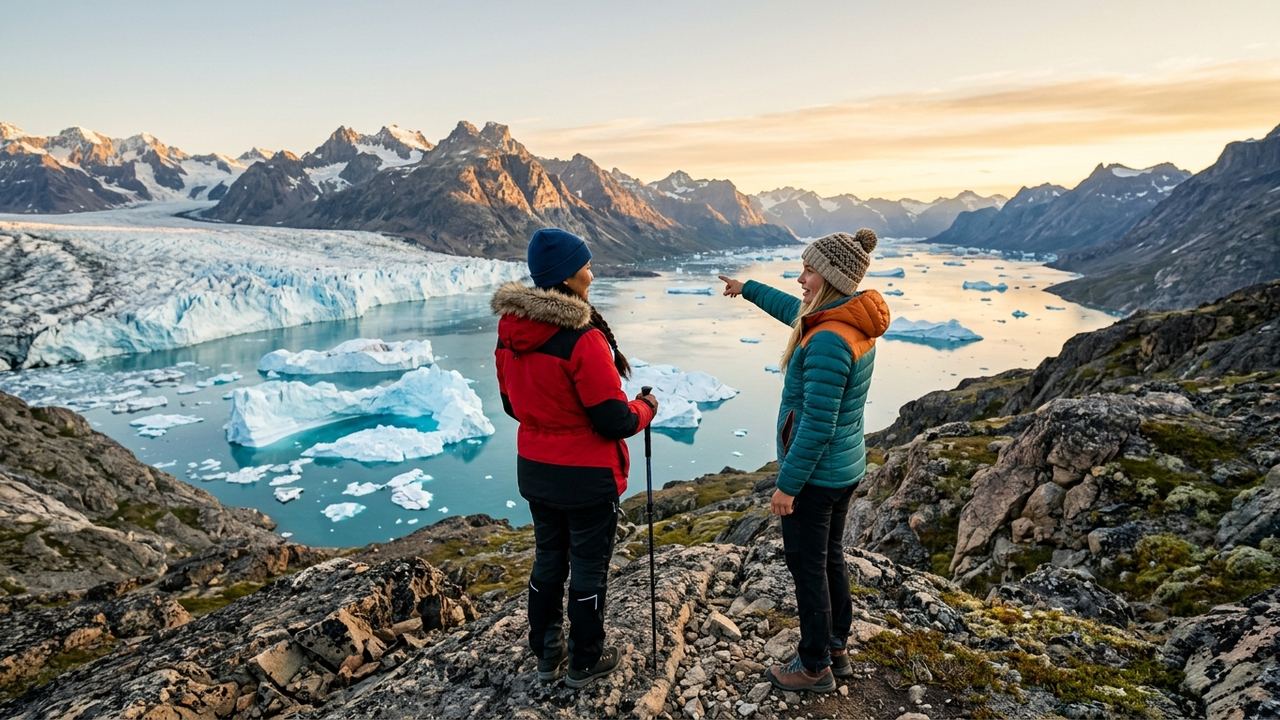
Image generated by AI
[Nuuk, June 27, 2026] — A significant shift in global travel patterns is emerging as Greenland surpasses traditional hotspots like Chile, Ecuador, Brazil, Costa Rica, and Peru to become one of the most sought-after "coolcation" destinations in the Americas for 2026. Driven by rising global temperatures and a growing desire for climate-stable environments, travelers are increasingly abandoning tropical heat in favor of the Arctic’s glacial landscapes and towering peaks.
The Evolution of Cold-Climate Tourism in the Americas
The travel industry is witnessing a structural transformation known as "coolcationing," where tourists deliberately select destinations with mild, cold, or high-altitude climates over traditional Mediterranean or tropical escapes. While the Americas have long been marketed for sun-drenched beaches and rainforests, a quieter, more temperate side of the hemisphere is gaining traction.
From the ice-choked fjords of the North to the Andean heights of the South, the region offers a diverse array of refreshing escapes. However, industry data indicates that Greenland has emerged as the definitive benchmark for this trend, offering an extreme version of cold-climate adventure that cannot be replicated elsewhere in the Western Hemisphere.
Greenland Ranks as a Top-Tier Arctic Sanctuary
According to recent industry assessments, Greenland has secured the #4 position among the top 15 coolcation destinations in the Americas and Caribbean for 2026. This high ranking is attributed to its unmatched Arctic identity, characterized by vast ice sheets and summer temperatures that typically remain in the single digits or low teens Celsius.
The destination's appeal is centered on its pristine, scientifically significant environments. Locations such as the Ilulissat Icefjord and the capital, Nuuk, provide rare access to polar landscapes that remain largely untouched. This raw natural value has propelled Greenland into the top five, appealing specifically to high-end adventure travelers and those seeking a total retreat from urban heat.
However, reports suggest that Greenland's ranking is tempered by practical logistical hurdles. Unlike the United States, Canada, or Mexico, Greenland lacks an extensive aviation network. Most visitors must transit through Denmark or Iceland, and internal travel relies heavily on seasonal ferries and small aircraft. This limited connectivity keeps the destination exclusive and prevents the kind of mass tourism seen in the top three ranked nations.
Furthermore, the hospitality sector in Greenland is currently specialized. While boutique Arctic lodges and expedition cruises are high-quality, the region lacks the sprawling hotel chains and diversified urban infrastructure found in more accessible coolcation hubs. This specialization reinforces its status as a niche, premium destination rather than a mass-market tourist site.
Primary Coolcation Hubs Across the Americas
While Greenland leads the Arctic front, other nations are leveraging their unique geography to attract heat-avoidant travelers. In South America, altitude and latitude play critical roles in creating temperate refuges.
| Country | Main Coolcation Destination | Temperature Range | Key Climate Type | Secondary Cool Spots |
|---|---|---|---|---|
| Greenland | Nuuk | -9°C to 15°C | Arctic coastal | Ilulissat, Sisimiut, Tasiilaq, Kangerlussuaq |
| Chile | Torres del Paine | 5°C–22°C | Glacial mountain | Puerto Natales, Pucón, Valdivia, Chiloé |
| Ecuador | Quito | 9°C–21°C | Highland temperate | Cuenca, Otavalo, Baños, Mindo |
| Brazil | Serra Catarinense | 5°C–22°C | Subtropical highland | Campos do Jordão, Gramado, Canela, Curitiba |
| Costa Rica | Monteverde | 14°C–24°C | Cloud forest | San Gerardo, Bajos del Toro, Vara Blanca, Cartago |
| Peru | Cusco | 4°C–21°C | Andean high altitude | Arequipa, Huaraz, Puno, Sacred Valley |
Exploring the Greenlandic Arctic Frontier
Greenland serves as the most extreme example of the coolcation trend. As the world's largest island, its geography is dominated by a massive ice sheet, creating a landscape of tundra and isolated coastal settlements where the temperature itself is the primary attraction.
In Nuuk, the capital, visitors find a blend of modern Arctic urbanism and Inuit heritage. The city provides a comfortable entry point into the region, with temperatures remaining crisp even in summer, allowing for kayaking and whale watching without the stress of extreme heat.
Further north, Ilulissat stands as a global icon of the Arctic. The Ilulissat Icefjord, a UNESCO World Heritage Site, features massive glaciers calving into Disko Bay, creating a surreal seascape of drifting icebergs. Because of the consistent cold, visitors are required to use layered clothing regardless of the season.
For those seeking deeper wilderness, Sisimiut offers rugged terrain and active community life just above the Arctic Circle, while Tasiilaq in eastern Greenland provides a more remote, authentic experience. Tasiilaq is particularly favored by photographers and those seeking solitude due to its minimal tourist infrastructure. Additionally, Kangerlussuaq serves as the primary gateway to the Greenland Ice Sheet, allowing travelers to walk on ancient ice formations in a stable, dry Arctic climate.
Diverse Cold-Weather Escapes in South and Central America
Beyond the Arctic, Chile is positioning its southern wilderness as a premier coolcation hub. The Patagonia region, specifically Torres del Paine National Park, attracts visitors with its granite peaks and turquoise lakes, maintaining a cool range between 5°C and 22°C. Supporting hubs like Puerto Natales and the rainy, maritime environment of Valdivia further diversify Chile's appeal.
In Ecuador, the "coolcation" experience is defined by "eternal spring." Because of its high altitude, the capital city of Quito remains temperate year-round, typically hovering between 9°C and 21°C. This predictable climate makes it an ideal urban escape. Other highland areas like Cuenca and the misty cloud forests of Mindo offer similar relief from the tropical heat found at lower elevations.
Why This Matters (Information Gain)
The rise of Greenland and other high-latitude or high-altitude destinations signals a fundamental pivot in the global tourism economy. For decades, the "sun, sea, and sand" model dominated the travel industry. However, the 2026 data suggests that "climate comfort" is becoming a primary driver of destination choice.
This shift represents more than just a trend; it is a response to the systemic reality of global warming. As traditional summer destinations in Europe and North America become oppressively hot, the economic center of gravity for summer tourism is shifting toward the poles and the peaks. For Greenland, this presents a double-edged sword: an opportunity for economic growth through high-value, low-impact tourism, but a challenge in developing sustainable infrastructure that does not destroy the very pristine nature that attracts visitors. The industry is moving toward a "specialized luxury" model where isolation and cold are marketed as the ultimate amenities.
Related Travel Guides
Disclaimer
This article is for informational and educational purposes only. It does not constitute legal, financial, or professional advice. While we strive to provide accurate and up-to-date information, travel policies, regulations, and conditions change rapidly. Always verify information with official sources before making travel decisions. Nomad Lawyer makes no representations about the accuracy, reliability, completeness, or suitability of the information provided. Readers should consult qualified professionals for advice specific to their circumstances. The views expressed in this article are those of the author and do not necessarily reflect the views of Nomad Lawyer.
Kunal K Choudhary
Co-Founder & Contributor
A passionate traveller and tech enthusiast. Kunal contributes to the vision and growth of Nomad Lawyer, bringing fresh perspectives and driving the community forward.
Learn more about our team →