
Greece Sustainable Underwater Tourism Report 2026: Eco-Friendly Diving and Marine Conservation Initiatives
Greece has emerged as a leader in sustainable underwater tourism, integrating eco-friendly diving with the protection of ancient shipwrecks and marine ecosystems.

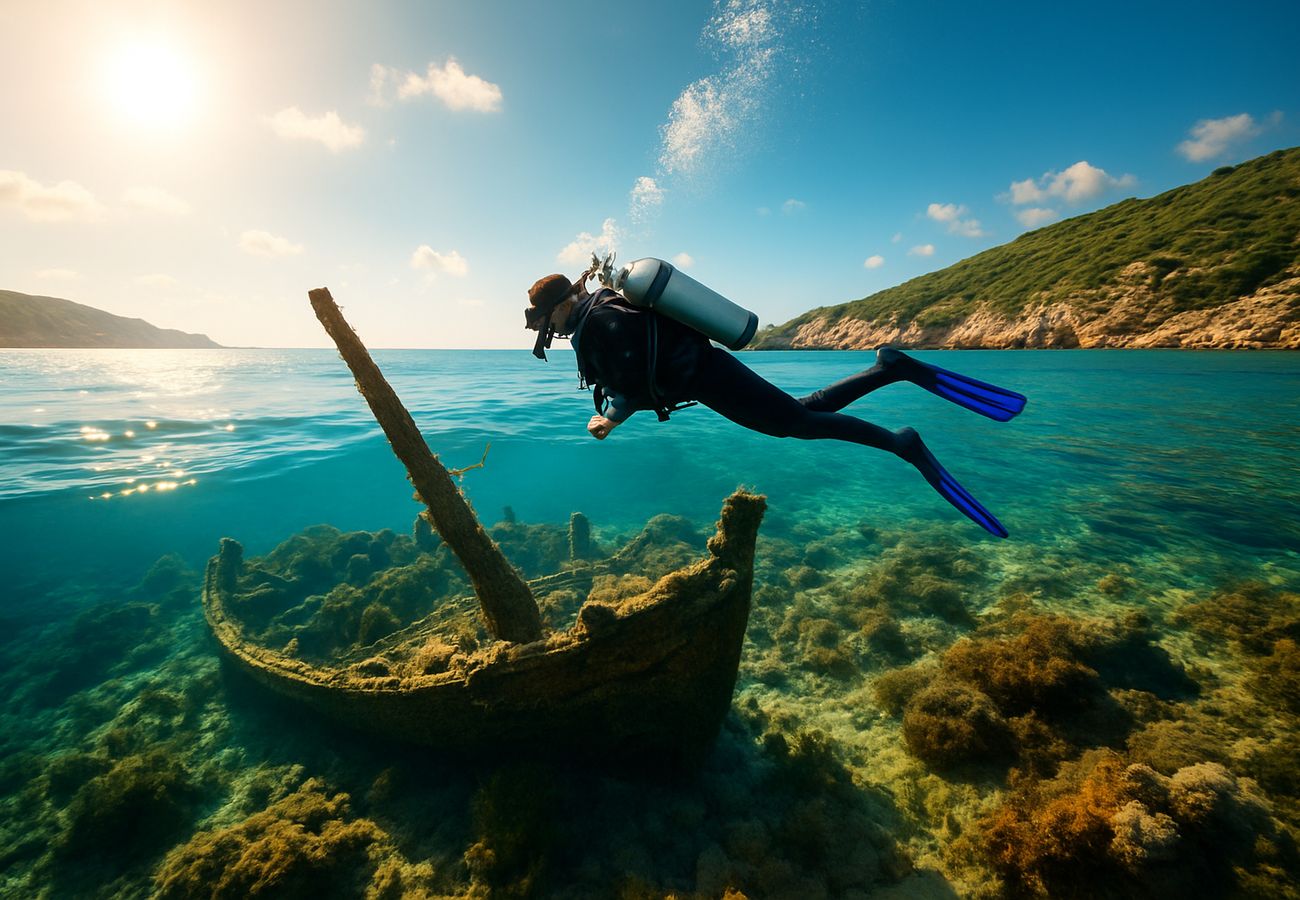
Image generated by AI
Quick Summary
- Strategic Focus: Integrating eco-friendly diving with rigorous marine conservation and underwater heritage protection.
- Key Assets: Submerged archaeological sites, ancient shipwrecks, and diverse marine life in the Aegean and Ionian seas.
- Management Measures: Establishment of marine protected areas and strict regulation of diving practices.
- Professional Standards: Specialized diving education for operators focusing on marine stewardship and safety.
- Operational Goal: Reducing the carbon footprint of diving operations and implementing waste reduction protocols.
- Economic Impact: Supporting local communities through tourism-generated income and sustainable infrastructure.
- Model for Growth: Balancing the development of eco-tourism with long-term environmental integrity.
- Source: Ministry of Tourism, Greece, as of May 7, 2026.
Greece has officially positioned its underwater world as a premier global destination for sustainable tourism, integrating high-end diving experiences with aggressive marine conservation strategies. On May 7, 2026, the Ministry of Tourism confirmed a comprehensive roadmap designed to protect and promote the nation’s submerged heritage. By focusing on the Aegean and Ionian seas, the initiative prioritizes the safeguarding of ancient shipwrecks and delicate marine ecosystems. The roadmap includes the establishment of new marine protected areas and the introduction of "Green Diving" certifications for operators who adhere to carbon-neutral practices. As international demand for eco-conscious adventure rises, Greece’s balance between tourism development and environmental stewardship ensures that its underwater treasures remain intact for future generations while solidifying the nation’s status as a world-class eco-tourism leader.
Greece Sustainable Underwater Tourism: 2026 Strategic Pillars
The following table summarizes the core components of Greece's roadmap for sustainable growth in the underwater tourism sector.
| Strategic Pillar | Focus Area | Technology / Measure |
|---|---|---|
| Marine Conservation | Ecosystem Preservation | Marine Protected Areas (MPAs) |
| Heritage Protection | Ancient Shipwrecks | Submerged Archaeology Regulation |
| Professionalism | Operator Standards | Marine Stewardship Certification |
| Education | Diver Awareness | Conservation-Focused Guided Tours |
| Operational Sustainability | Environmental Footprint | Carbon-Neutral Diving Infrastructure |
| Community Support | Local Economic Growth | Sustainable Tourism Income Reinvestment |
| Waste Management | Pollution Reduction | "Zero-Waste" Diving Protocols |
Marine Wealth: Unlocking Greece’s Submerged Heritage
Greece's underwater landscape is being recognized as a critical cultural and natural resource:
- Aegean Diversity: The crystalline waters of the Aegean host a unique mix of biodiversity and historical artifacts.
- Ionian Exploration: Submerged archaeological sites in the Ionian Sea are attracting a growing demographic of "archaeo-tourists."
- Resource Safeguarding: Authorities are focusing on preserving the integrity of these sites against the impact of high-volume tourism.
Eco-Friendly Diving: Transforming the Aegean Experience
The transformation of Greek dive tourism focuses on "Authenticity and Safety":
- Organized Diving: Transitioning toward more organized and regulated diving zones to prevent accidental damage to reefs and shipwrecks.
- Value Proposition: Positioning Greece as the premier European choice for divers seeking "Meaningful and Responsible" interactions with nature.
- Eco-Minded Demographic: Targeting the rising global segment of travelers who prioritize sustainability in their choice of adventure.
Conservation Measures: Protected Areas and Regulated Practices
Systemic government intervention is driving the sustainability of the sector:
- Protected Zones: Expanding the network of marine protected areas to provide safe havens for endangered marine species.
- Strict Regulations: Implementing new diving protocols that limit the number of visitors per site to maintain ecological balance.
- Government Oversight: The Ministry of Tourism is working closely with environmental agencies to monitor the health of key diving hubs.
Professional Education: Training Operators for Marine Stewardship
Operators are being repositioned as "Environmental Stewards":
- Diving Education: Mandatory training programs for dive masters focus on marine biology and the conservation of submerged historical sites.
- Green Certification: Dive centers that adopt sustainable energy and waste practices are receiving government-backed eco-certifications.
- Interactive Learning: Guided tours now include educational components that teach divers about the specific marine threats in the region.
Operational Sustainability: Reducing the Carbon Footprint of Dive Tourism
The industry is moving toward carbon neutrality:
- Solar-Powered Boats: Incentivizing the transition to electric or solar-powered dive vessels to reduce underwater noise and fuel pollution.
- Energy Efficiency: Dive centers are being upgraded with renewable energy systems to power compressors and equipment.
- Offsetting Initiatives: Operators are participating in local seagrass restoration projects to offset the carbon footprint of their operations.
Archaeological Tourism: Protecting Submerged Ancient Shipwrecks
Underwater archaeology is a primary draw for the Greek market:
- Authentic Discovery: Allowing controlled access to previously restricted ancient shipwreck sites under strict professional guidance.
- Digital Integration: Using AR/VR technologies at surface centers to provide context for divers exploring historical sites.
- Long-Term Integrity: Ensuring that archaeological sites are monitored for illegal artifact removal or structural degradation.
Economic Synergy: Local Community Support and Waste Reduction
Sustainability extends to the socio-economic impact of tourism:
- Income Reinvestment: A portion of diving fees is being redirected toward local marine conservation and community infrastructure projects.
- Zero-Waste Protocols: Dive operators are implementing strict waste reduction policies, including the elimination of single-use plastics on vessels.
- Local Employment: The sector is creating specialized roles for local guides, marine biologists, and eco-tourism managers.
Conclusion: Greece as a Global Model for Sustainable Underwater Growth
The May 7, 2026, report from the Ministry of Tourism confirms that Greece has successfully created a global benchmark for sustainable underwater tourism. By integrating eco-friendly diving with the protection of ancient shipwrecks and the establishment of marine protected areas, the nation is demonstrating how tourism can actively support environmental conservation. The focus on carbon-neutral operations, professional stewardship, and the preservation of archaeological heritage ensures that Greece remains a top-tier destination for the next generation of eco-conscious travelers. As the Aegean and Ionian seas continue to attract global divers, Greece’s balanced approach to growth and protection serves as an exemplary model for marine tourism hubs worldwide, guaranteeing the long-term survival and beauty of its underwater treasures.
FAQ: Greece Sustainable Diving 2026
What are the primary underwater attractions in Greece? Greece is famous for its ancient shipwrecks, submerged archaeological sites, and the diverse marine life of the Aegean and Ionian seas.
How is Greece making diving more sustainable? Measures include establishing marine protected areas, regulating diving practices, certifying "Green" operators, and reducing the carbon footprint of diving vessels.
Can divers explore ancient shipwrecks in Greece? Yes, Greece allows controlled and organized diving access to specific submerged archaeological sites under the guidance of certified professional operators.
Related Greek Eco-Tourism Reports
Disclaimer
This article is for informational and educational purposes only. It does not constitute legal, financial, or professional advice. While we strive to provide accurate and up-to-date information, travel policies, regulations, and conditions change rapidly. Always verify information with official sources before making travel decisions. Nomad Lawyer makes no representations about the accuracy, reliability, completeness, or suitability of the information provided. Readers should consult qualified professionals for advice specific to their circumstances. The views expressed in this article are those of the author and do not necessarily reflect the views of Nomad Lawyer.
Kunal K Choudhary
Co-Founder & Contributor
A passionate traveller and tech enthusiast. Kunal contributes to the vision and growth of Nomad Lawyer, bringing fresh perspectives and driving the community forward.
Learn more about our team →