
Halkidiki Travel Guide 2026: Navigating Peak Summer Water Supply Pressures in Hanioti

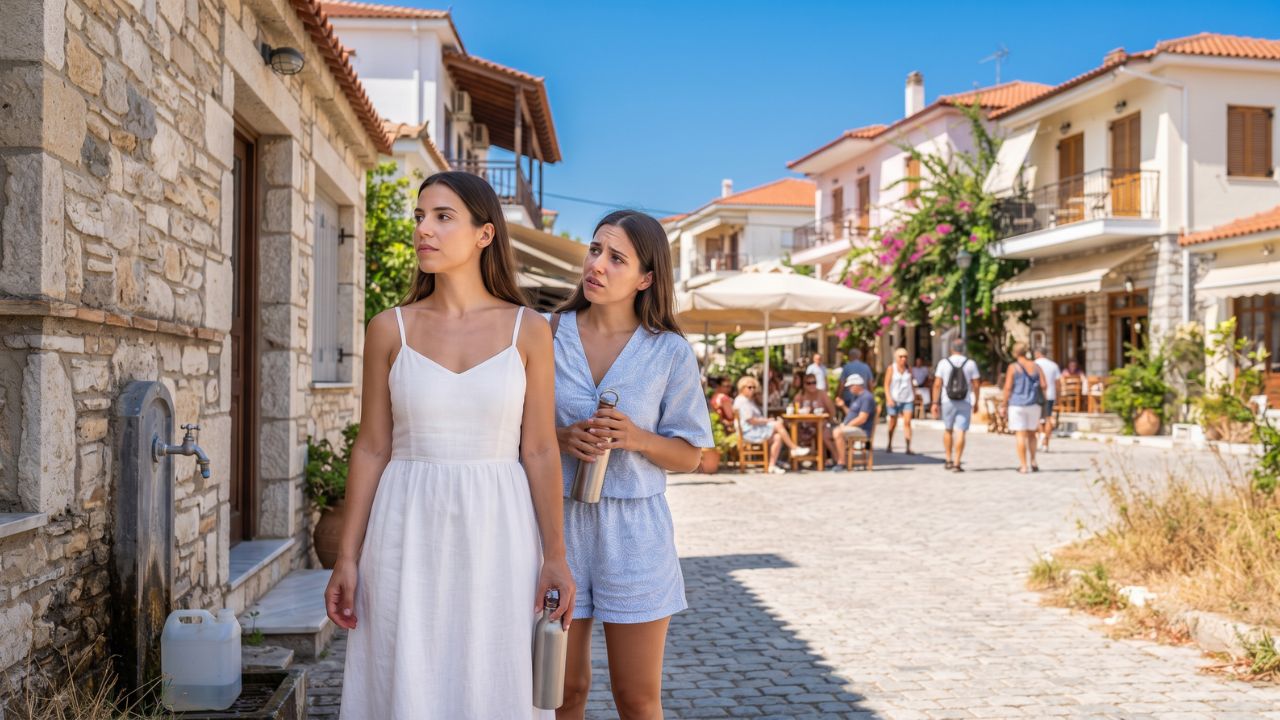
While over 63% of Greece's annual tourist overnights are compressed into a brief four-month summer window, the surging influx of road travelers into Halkidiki’s Kassandra peninsula has pushed municipal water networks to their absolute limit in resort towns like Hanioti. During peak heatwaves, elevated residential neighborhoods and hilltop boutique rentals in the Pallini municipal district have faced periodic low water pressure and dry taps lasting up to seven consecutive days, prompting local authorities to enact nighttime pressure throttling and municipal conservation mandates.
The infrastructure strain in Hanioti illustrates the acute challenge confronting seasonal Mediterranean destinations where coastal populations swell tenfold between June and August. Backed by official regional guidance from the Halkidiki Tourism Organization, travelers visiting northern Greece can still experience pristine Aegean coves, pine-fringed headlands, and authentic Macedonian tavernas by adopting mindful water usage habits and selecting accommodations equipped with private cistern infrastructure.
Anatomy of the Water Bottleneck: Elevation and Road Tourism
Halkidiki is one of mainland Greece's premier coastal playgrounds, attracting large volumes of drive-in holidaymakers from the Balkans, Central Europe, and domestic hubs in Thessaloniki. However, the town of Hanioti, situated along the eastern coastline of the Kassandra peninsula, operates on an aquifer and borehole distribution grid designed primarily for its modest year-round population.
When thousands of tourists occupy beachfront hotels, vacation apartments, and private villas simultaneously, municipal network pressure drops precipitously. The physical reality of the distribution system creates a distinct geographic divide:
- Low-Lying Coastal Strip: Beachfront resorts and sea-level commercial streets retain baseline water flow due to gravity-assisted municipal pipe pressure.
- Elevated Upper District: Properties situated on the upper ridges above the main coastal highway experience the most acute shortages, as depleted mains pressure fails to push water uphill into rooftop tanks.
- Private Reserve Dependence: Accommodations with integrated ground-level cisterns and automated auxiliary booster pumps maintain normal operations, while older apartment blocks without secondary storage experience dry taps during peak dinner and evening shower hours.
| Destination Area | Elevation & Infrastructure Profile | Summer Water Risk Level | Practical Traveler Impact |
|---|---|---|---|
| Hanioti Beachfront | Low-lying coastal zone; direct gravity main | Moderate (Periodic low pressure) | Normal tap flow; brief evening pressure drops |
| Hanioti Upper Slopes | Elevated hillside villas & holiday apartments | High (Occasional dry taps up to 7 days) | Requires accommodations with backup cisterns |
| Pallini Municipal Unit | Mixed agricultural & resort boreholes | High (Active municipal rationing) | Nighttime pressure throttling by water office |
| Wider Kassandra Coast | Pine-fringed coastal villages (Pefkohori, Polichrono) | Moderate to High | High road-tourism demand strains public utilities |
The Data Behind Northern Greece's Summer Influx
The supply pressures in Halkidiki directly mirror unprecedented national tourism concentration tracked by the Hellenic Statistical Authority (ELSTAT). In July 2026 alone, accommodation establishments across Greece recorded 6,608,128 tourist arrivals (a 2.5% increase year-on-year) and 31,701,467 overnight stays (up 2.0% compared to July 2025). Foreign travelers accounted for 80.3% of total arrivals and 87.6% of overnight stays, with an average visit duration of 4.8 days.
Regionally, Central Macedonia recorded a 4.5% rise in arrivals and a 3.3% increase in overnight stays during 2025, solidifying its role as a leading contributor to national tourism expansion. Nationally, 56.7% of all annual accommodation arrivals and 63.7% of total overnights are concentrated between July and October, leaving municipal water services in Kassandra with severe seasonal swings between quiet winter replenishment and heavy summer drawdown.
| Tourism & Water Metric | Official Statistical Record | Source & Administrative Body | Practical Destination Context |
|---|---|---|---|
| July 2026 National Arrivals | 6,608,128 (+2.5% YoY) | Hellenic Statistical Authority (ELSTAT) | Extreme peak demand across coastal resorts |
| July 2026 National Overnights | 31,701,467 (+2.0% YoY) | Hellenic Statistical Authority (ELSTAT) | 87.6% generated by international visitors |
| Seasonal Peak Concentration | 63.7% of annual overnights (July–Oct) | Ministry of Tourism Records | Strains borehole recovery and reservoir storage |
| Central Macedonia Growth | +4.5% arrivals; +3.3% overnights | Regional Greek Tourism Data | Strong road-tourism inflow via Northern Greece |
| Average July Duration of Stay | 4.8 Days | National Accommodation Series | High daily turnover in self-catering apartments |
Visitor Insider Tips
- Confirm Cistern and Pump Facilities Before Booking: When reserving holiday villas or Airbnb apartments in Hanioti, message the host directly to confirm whether the property features a dedicated private water storage tank (dexamení) and an automated booster pump.
- Shift Daily Showers to Mid-Afternoon: Peak domestic water demand occurs between 18:30 and 21:00 when thousands of beachgoers return simultaneously. Showering at 15:00 or late in the evening avoids peak demand drops when municipal mains operate at lower pressure.
- Keep Emergency Mineral Water Reserves: Always keep a six-pack of sealed 1.5-liter drinking water bottles in your rental apartment for basic dental hygiene, cooking, and morning coffee in case of overnight pressure throttling.
- Explore Kassandra's Western Pine Trails in the Morning: Avoid coastal midday heat by hiking the pine forest trails between Sani and Siviri before 09:00 AM. Bring reusable insulated water flasks filled from municipal coastal fountains where flow is steady.
- Savor Fresh Seafood and Kassandra Olive Oil: Dine at family-run seaside tavernas in nearby Nea Skioni or Afitos. Order grilled octopus, fresh red mullet (barbounia), and local Kassandra green olives dressed in cold-pressed extra virgin olive oil.
Cultural and Environmental Context
The freshwater challenges on the Kassandra peninsula highlight the critical link between climate resilience and sustainable Mediterranean tourism promoted by the Greek National Tourism Organisation (Visit Greece). The underlying geology of Halkidiki relies on limestone aquifers that require winter rainfall to recharge; excessive summer pumping can risk seawater intrusion into coastal boreholes.
To protect this fragile hydrologic balance, the Municipality of Kassandra has restricted daytime agricultural irrigation, implemented automated leak detection systems, and prohibited wasteful outdoor hose washing. By taking short showers, turning off running taps while brushing, and respecting local water-conservation advisories, travelers play an active role in protecting northern Greece's pristine coastal ecosystems for local residents and future generations.
FAQ: Visiting Hanioti and Halkidiki 2026
Is all of Hanioti experiencing water supply shortages?
No. Water pressure issues primarily affect elevated hillside properties and older buildings during peak evening hours in July and August. Beachfront hotels and accommodations with private storage tanks operate normally.
What is the best time of year to visit Halkidiki to avoid utility strain?
May, June, September, and early October offer warm sea temperatures, open tavernas, and tranquil conditions without the intense utility strain seen during the July–August peak.
Can I drink tap water in Hanioti and Kassandra?
While tap water in low-lying areas is generally treated, high seasonal mineral content leads most locals and visitors to prefer bottled or filtered water for daily drinking and cooking.
How do I get to Hanioti from Thessaloniki Airport?
Hanioti is located approximately 90 kilometers south of Thessaloniki Airport (SKG), accessible in about 75 minutes via rental car or frequent KTEL Halkidiki regional bus services.
By choosing prepared accommodations and practicing mindful consumption, travelers can immerse themselves in the turquoise waters and timeless hospitality of Halkidiki.
Related Travel Guides
Disclaimer
This article is for informational and educational purposes only. It does not constitute legal, financial, or professional advice. While we strive to provide accurate and up-to-date information, travel policies, regulations, and conditions change rapidly. Always verify information with official sources before making travel decisions. Nomad Lawyer makes no representations about the accuracy, reliability, completeness, or suitability of the information provided. Readers should consult qualified professionals for advice specific to their circumstances. The views expressed in this article are those of the author and do not necessarily reflect the views of Nomad Lawyer.
Raushan Kumar
Founder & Lead Developer
Full-stack developer with 11+ years of experience and a passionate traveller. Raushan built Nomad Lawyer from the ground up with a vision to create the best travel and law experience on the web.
Learn more about our team →