
GOL, Azul, EuroAtlantic Ground 6 Flights Across Brazil: São Paulo and Campinas Airports Hit Hard June 10
Six flights cancelled and dozens delayed as GOL Linhas, Azul Brazilian Airlines, and EuroAtlantic Airways disrupt major São Paulo and Campinas routes, leaving thousands stranded.

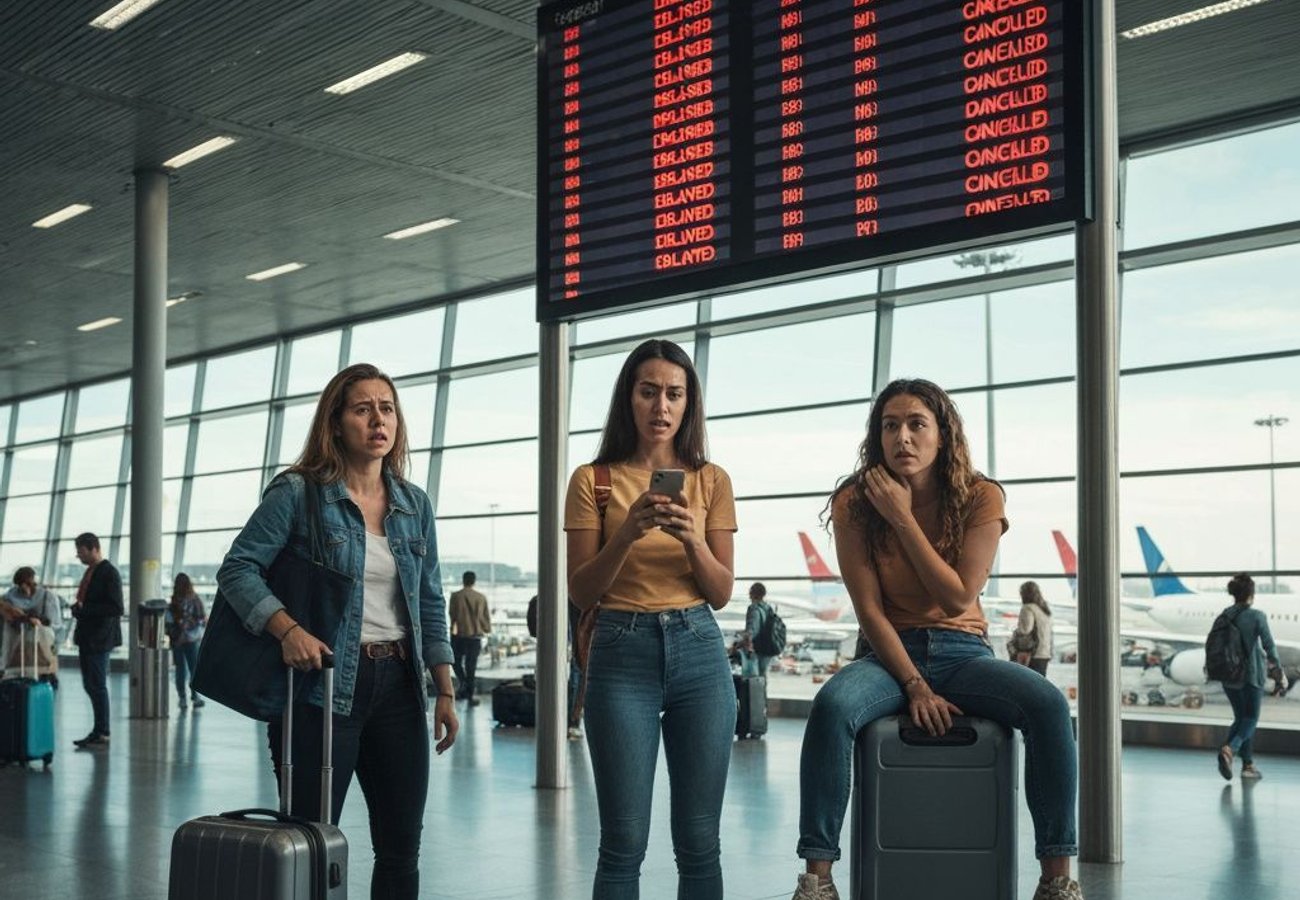
Image generated by AI
A Perfect Storm Hits Brazil's Busiest Airports
On June 10, 2026, three major Brazilian carriers simultaneously grounded six flights and triggered a cascade of delays that rippled through two of the country's most critical aviation hubs. GOL Linhas Aéreas Inteligentes, Azul Brazilian Airlines, and EuroAtlantic Airways collectively disrupted travel for thousands of passengers, leaving them scrambling for alternative routes and updated flight information.
The disruptions weren't spread across the country—they were concentrated in one region with devastating precision.
The Damage: 6 Cancellations, 36 Delayed Flights
Here's what went down across the two airports:
At São Paulo–Congonhas Airport (CGH): GOL Linhas Aéreas Inteligentes cancelled four flights and reported nine delayed departures, making it the epicenter of the day's disruptions. Congonhas is Brazil's busiest domestic aviation hub, handling hundreds of flights daily on critical domestic and international routes.
At Viracopos International Airport (VCP) in Campinas: The picture was even grimmer. Azul Brazilian Airlines cancelled one flight but reported a staggering 27 delays. EuroAtlantic Airways added insult to injury with one additional cancellation.
Reddit: "Was supposed to fly out of Congonhas today. GOL just texted me my flight was cancelled. No rebooking, no compensation mention, nothing. This is a nightmare." — r/travel
The combined effect: six planes never left the ground, and 36 flights missed their scheduled departures. For context, that's not a minor operational hiccup—that's a full-scale disruption affecting connecting passengers across South America's busiest air corridor.
Why São Paulo and Campinas Matter
These airports aren't random. São Paulo–Congonhas is home to over 1,000 daily operations and serves as a hub for domestic connections and international gateways to North America and Europe. Viracopos International handles 20+ million passengers annually and serves as Azul's critical maintenance and operations hub.
When both airports malfunction simultaneously, the entire Brazilian air network feels the shock.
What Actually Went Wrong?
The sources don't explicitly state the root cause—whether mechanical, weather-related, staffing, or air traffic control issues. This information gap is common in operational disruption reporting, especially in the first 24 hours. FlightAware data, the official source for this disruption, typically records cancellations and delays in real-time but often lacks the detailed causation that airlines take hours or days to release publicly.
Airlines rarely admit fault upfront. They cite "operational challenges," "technical issues," or "unforeseen circumstances."
What Passengers Need to Know Right Now
If your flight was among those cancelled or delayed on June 10, here's your action plan:
Immediate Steps
Check your email and phone immediately. Airlines notify passengers via text, email, and their mobile apps about rebooking options or compensation eligibility. Visit the airline's website simultaneously—their app and website sometimes show different information.
Contact customer service directly. Don't wait for notifications. Call GOL, Azul, or EuroAtlantic customer service lines, or approach the service desk at the airport. Online chat systems often have shorter queues than phone lines.
Know Your Rights
Brazilian airline passenger rights are governed by ANAC (Agência Nacional de Aviação Civil) regulations. You may be entitled to compensation depending on the cause of the cancellation. If the airline caused the disruption, compensation typically ranges from 250-1,300 BRL (Brazilian Reals) depending on flight distance.
EU passengers have stronger protections under Regulation 261/2004, which mandates €250-€600 compensation for cancellations, plus accommodation and meals if needed.
Alternative Travel Options
Ask the airline about the next available flight on their network. If none exist within a reasonable timeframe (typically 2-4 hours), request a rebooking on a competitor airline at no extra cost—this is standard practice.
Consider alternative transport: Brazil's rail network between São Paulo and Campinas operates frequently, and bus services offer 24/7 connectivity.
The Larger Pattern: Disruption Becoming Routine
This June 10 incident reflects a troubling trend in Brazilian aviation. While individual cancellations are manageable, the simultaneous grounding of six flights by three carriers suggests either:
- Systemic infrastructure issues at these airports
- Shared supply chain disruptions (fuel, ground handling, parts)
- Coordination failures in air traffic management
Airlines don't typically cancel flights in clusters unless forced to by external pressures beyond their control.
What Happens Next?
GOL, Azul, and EuroAtlantic are already working to stabilize schedules and restore normal operations. Expect:
- Rebooking offers (sometimes with seat upgrades as goodwill)
- Compensation claims processing over the next 2-4 weeks
- Detailed incident reports from ANAC within days
- Possible schedule adjustments for the following week as aircraft and crews reposition
Travelers are advised to allow extra buffer time for connections and monitor flight updates obsessively. Airlines will continue modifying schedules in real-time for safety reasons, and flexibility with travel plans is essential.
Bottom Line
Six grounded aircraft. Thirty-six delayed flights. Two critical airports. Thousands of passengers left in limbo on June 10, 2026. This wasn't a minor blip—it was a reminder that even in modern aviation, disruption can strike swiftly and without warning.
Stay alert. Know your rights. Have a backup plan.
Brazil's aviation network recovered, but the scars—and passenger frustration—lingered for days.
Related Travel Guides
Disclaimer
This article is for informational and educational purposes only. It does not constitute legal, financial, or professional advice. While we strive to provide accurate and up-to-date information, travel policies, regulations, and conditions change rapidly. Always verify information with official sources before making travel decisions. Nomad Lawyer makes no representations about the accuracy, reliability, completeness, or suitability of the information provided. Readers should consult qualified professionals for advice specific to their circumstances. The views expressed in this article are those of the author and do not necessarily reflect the views of Nomad Lawyer.
Kunal K Choudhary
Co-Founder & Contributor
A passionate traveller and tech enthusiast. Kunal contributes to the vision and growth of Nomad Lawyer, bringing fresh perspectives and driving the community forward.
Learn more about our team →