
Ryanair, easyJet, Wizz Air, Spirit, Jet2 and Southwest Signal Turning Point for Global Low-Cost Aviation, Bypassing Legacy Flight Cancellations, Airport Disruptions, and Passenger Travel Chaos: New Airline News and Aviation Updates
A historic structural shift takes hold as rising operational costs and unbundled legacy fares challenge the traditional budget aviation model.

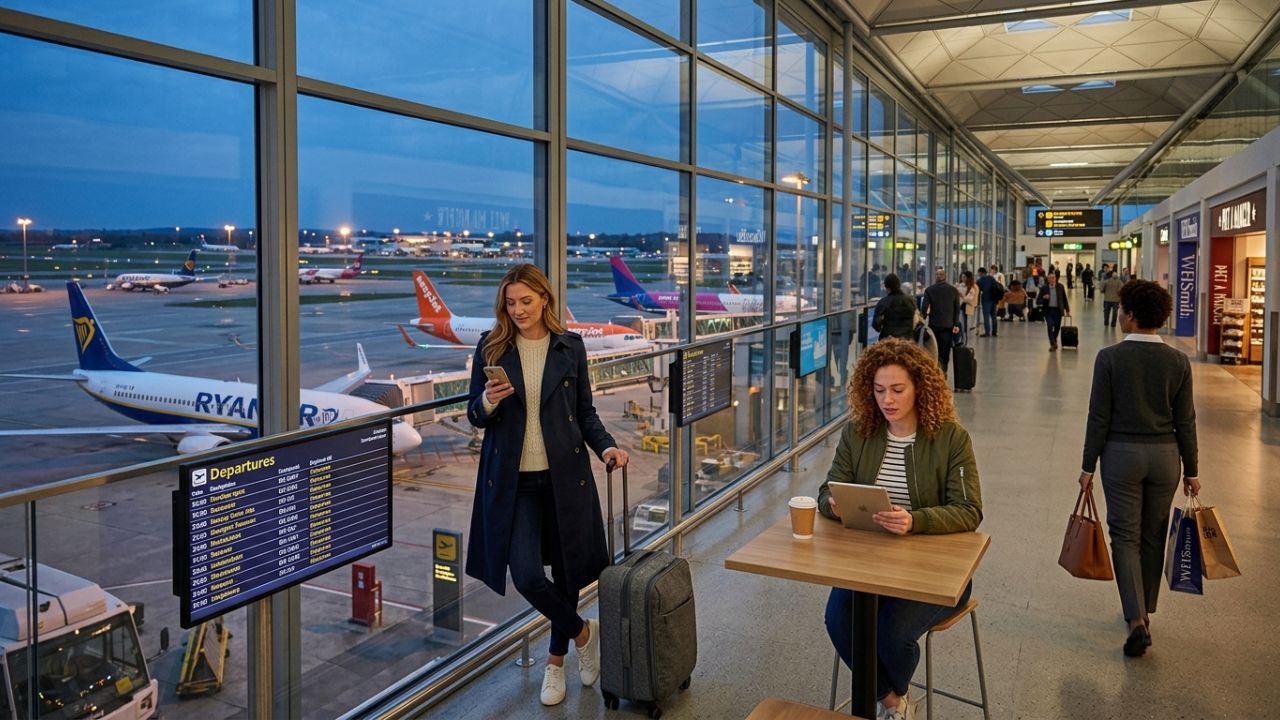
Image generated by AI
In a structural development that marks a historic turning point for the commercial aviation sector, global low-cost carriers (LCCs) are entering a critical phase of transformation. Industry leaders—including Ryanair, easyJet, Wizz Air, Spirit Airlines, Jet2, and Southwest Airlines—are navigating a rapidly evolving market defined by surging fuel costs, terminal-side airport disruptions, crew shortages, and aggressive fare competition from full-service legacy carriers. As legacy network operators adopt stripped-down "basic economy" options, the traditional boundaries separating low-cost and full-service airlines are dissolving. Navigating this new hybrid landscape is essential to mitigate localized flight cancellations, manage ticket-counter queues, and prevent widespread travel chaos across major short-haul hubs. The commercial restructuring of budget airlines represents the primary headline in modern airline news and global aviation updates.
By introducing direct passenger coordination and dynamic scheduling backups, the regional aviation hubs target growing passenger demand across vital commerce sectors. The choice to coordinate flight departures in phases helps to manage gate capacity, supporting the country's broader regional transportation network.
Context: The Evolution of the Budget Flight Business Model
For decades, the low-cost carrier model succeeded on a simple formula: high aircraft utilization, point-to-point routing, secondary airport operations, and a completely unbundled pricing structure. By offering ultra-low base fares and charging separately for ancillaries, budget carriers expanded travel access for millions.
Today, however, a converging cost base—driven by rising pilot salaries, increased landing fees, and volatile fuel prices—has narrowed the operating cost gap between LCCs and full-service carriers. To track passenger trends, LCC operational statistics, and corporate financial indices, industry analysts can review the Bureau of Transportation Statistics airline financial databases.
To search short-haul route networks, check current fares, or manage active flight bookings, travelers can visit the official Ryanair customer portal. For U.S. domestic route plans, bag policies, and boarding group parameters, passengers can consult the Southwest Airlines customer guide.
Section-Wise Breakdown of Major Budget Carriers
Ryanair and the European Ultra-Low-Cost Paradigm
As Europe's largest ultra-low-cost carrier, Ryanair (RYA) continues to maintain strict cost controls and high aircraft utilization. However, the airline faces increased competition on primary routes where full-service carriers deploy competitive "basic economy" promotions.
In response, Ryanair has optimized its ancillary revenue programs, utilizing highly segmented add-ons such as priority boarding bundles, checked bag upgrades, and premium seat selections to protect profit margins.
easyJet's Hybrid Major Airport Strategy
Slightly closer to the mid-spectrum hybrid model, easyJet (EZY) focuses on primary hub airports rather than secondary gateways, exposing it directly to competitive pricing from legacy carriers like British Airways.
To defend its market share, easyJet has refined its fare bundling system, offering flexible packages that combine seat selection, cabin bags, and fast-track security. This strategy makes it an attractive choice for both corporate commuters and frequent leisure travelers.
Wizz Air's Central and Eastern European Expansion
Aggressively scaling its footprint across Central and Eastern Europe, Wizz Air (WZZ) has leveraged low-cost operations to open new regional gateways.
To counter competitive pressure on adjacent routes, the airline relies heavily on ancillary revenue streams, including seat selection fees, subscription-based travel programs, and modular baggage options.
Spirit Airlines and U.S. Domestic Fare Volatility
In the highly competitive United States domestic market, ultra-low-cost pioneer Spirit Airlines (SAVE) faces intense pressure. Legacy carriers have expanded unbundled basic economy options, matching Spirit's base fares on key domestic routes.
This pricing convergence forces Spirit to rely extensively on optional extras, highlighting the challenges ULCCs face in maintaining yields on high-frequency domestic sectors.
Jet2's Value-Added Package Holiday Model
Diverging from pure price competition, UK-based Jet2 (EXS) has carved out a profitable niche by focusing on package holidays and customer experience.
By bundling flights, hotel accommodation, and generous baggage allowances, the airline avoids direct fare wars with ultra-low-cost competitors, maintaining strong margins through value-added service delivery.
Southwest Airlines and Value-Based Low-Cost Model
Renowned for its unique open-seating system, free checked baggage (two bags), and customer-friendly change policies, Southwest Airlines (LUV) represents a unique hybrid model.
As competitors unbundle basic fares, Southwest is reinforcing its value-based low-cost identity, prioritizing customer loyalty, operational reliability, and cabin comfort over extreme fare reductions.
Global LCC Cabin Seat Selection Policies and Risk Levels
To help passengers plan their travel budgets and understand the unbundled pricing structures of major low-cost carriers, the following table summarizes the seat selection parameters and operational risk levels across the analyzed airlines:
| Low-Cost Passenger Carrier | Free Seat Choice Allocation? | Paid Seat Selection Cost Range | Seat Assignment Risk Level | Strategic Boarding / Booking Parameter |
|---|---|---|---|---|
| Ryanair | No | €4 – €25+ | High | Mandatory random assignment if unpaid |
| easyJet | Limited free allocation | £5 – £20 | Medium | Pre-allocated at check-in |
| Wizz Air | No | €5 – €30 | High | Random assignment for basic tickets |
| Spirit Airlines | No | $5 – $40 | Very High | Paid assignment highly recommended for families |
| Jet2 | Often included in bundles | Low | Low | Value-focused, package tour integration |
| Southwest Airlines | Open seating (no assigned seats) | None | Medium | Boarding position determined by check-in time |
Passenger Impact: Complex Pricing and Total Trip Cost Analysis
For passengers, the evolution of the LCC model means that the cheapest advertised headline fare is rarely the best-value option. Travelers must navigate complex fee structures for baggage, seat assignments, and priority services to calculate the true cost of their journey.
This complexity makes it essential to compare LCC total trip costs against legacy carrier basic economy bundles, as full-service tickets may offer better value when baggage and seat preferences are included.
Industry Analysis: The Rise of the Hybrid LCC Model
The structural shift among low-cost carriers highlights a broader trend: the convergence toward a hybrid business model. Pure ultra-low-cost operations are facing financial challenges due to rising labor, maintenance, and fuel costs.
To protect margins, budget carriers are adopting premium features—such as premium seating zones, priority boarding, and flexible fare classes—while legacy carriers continue to strip down basic economy fares, creating a highly competitive, integrated aviation market.
What This Means for Travelers: Actionable Advice
To secure the best value and navigate today's LCC travel environment, travelers should follow this practical checklist:
- Compare Total Journey Costs: Always add the cost of checked baggage, seat selection, and airport transfers to the base LCC fare before booking.
- Leverage Airline Subscription Programs: If you travel frequently on a specific carrier like Wizz Air, consider buying a subscription card to save on ancillaries.
- Check in Exactly 24 Hours Early: For open-seating carriers like Southwest, early check-in is essential to secure a favorable boarding group and seat.
- Read Ancillary Bundle Guidelines: Look for bundled LCC fares that combine priority boarding and cabin baggage, as they are often cheaper than buying add-ons individually.
- Evaluate Legacy Basic Economy: Compare LCC prices against legacy basic economy fares, as the latter may include seat allocation and better customer support.
FAQ: Global Low-Cost Aviation Model Shift 2026
Why are low-cost airline models changing?
LCC models are evolving due to rising operating costs (fuel, labor, airport fees) and intense competition from legacy carriers unbundling basic economy fares.
Is Southwest Airlines changing its open-seating policy?
Southwest maintains its open-seating system, where boarding positions are determined by check-in times rather than pre-assigned seat numbers.
Do legacy carriers offer budget-style fares?
Yes. Major legacy carriers now offer stripped-down "basic economy" fares that unbundle baggage and seat selection, competing directly with LCCs.
Adaptation as the Blueprint for Future Mobility
The structural evolution of global low-cost carriers represents a necessary adaptation to a high-cost operating environment. By combining budget base fares with flexible premium add-ons, airlines like Ryanair, easyJet, and Southwest are rebuilding profitability while preserving travel accessibility. As the industry continues to restructure, this hybrid model will play a vital role in supporting global tourism and trade, ensuring that affordable air travel remains a cornerstone of international mobility and economic growth.
Key Takeaways
- Model Evolution: Global low-cost carriers are shifting toward hybrid models to balance rising operational costs with profitability.
- Pricing Complexity: Headline fares remain low, but the total cost of travel is increasingly dependent on unbundled extras.
- Ancillary Focus: Airlines like Wizz Air and Spirit rely heavily on seat selection fees and baggage upgrades to protect margins.
- Legacy Competition: Legacy carriers unbundling basic economy fares are narrowing the price gap with traditional LCCs.
- Southwest Value: Southwest continues to differentiate itself through free checked baggage, open seating, and customer-friendly change policies.
Related Travel Guides
Nesma Airlines Launches Direct Cairo to Istanbul Flights via Sabiha Gökçen Airport
Houston Bush Intercontinental Airport Gripped by Massive Travel Chaos
Global Low Cost Airline Cabin Seat Selection Review on Reddit in 2026
Disclaimer
This article is for informational and educational purposes only. It does not constitute legal, financial, or professional advice. While we strive to provide accurate and up-to-date information, travel policies, regulations, and conditions change rapidly. Always verify information with official sources before making travel decisions. Nomad Lawyer makes no representations about the accuracy, reliability, completeness, or suitability of the information provided. Readers should consult qualified professionals for advice specific to their circumstances. The views expressed in this article are those of the author and do not necessarily reflect the views of Nomad Lawyer.
Kunal K Choudhary
Co-Founder & Contributor
A passionate traveller and tech enthusiast. Kunal contributes to the vision and growth of Nomad Lawyer, bringing fresh perspectives and driving the community forward.
Learn more about our team →