
Global Airlines Restructure Long-Haul Routes and Network Connectivity
Airlines including Delta, Lufthansa, British Airways, and IndiGo are restructuring long-haul networks in 2026, cutting unprofitable routes.

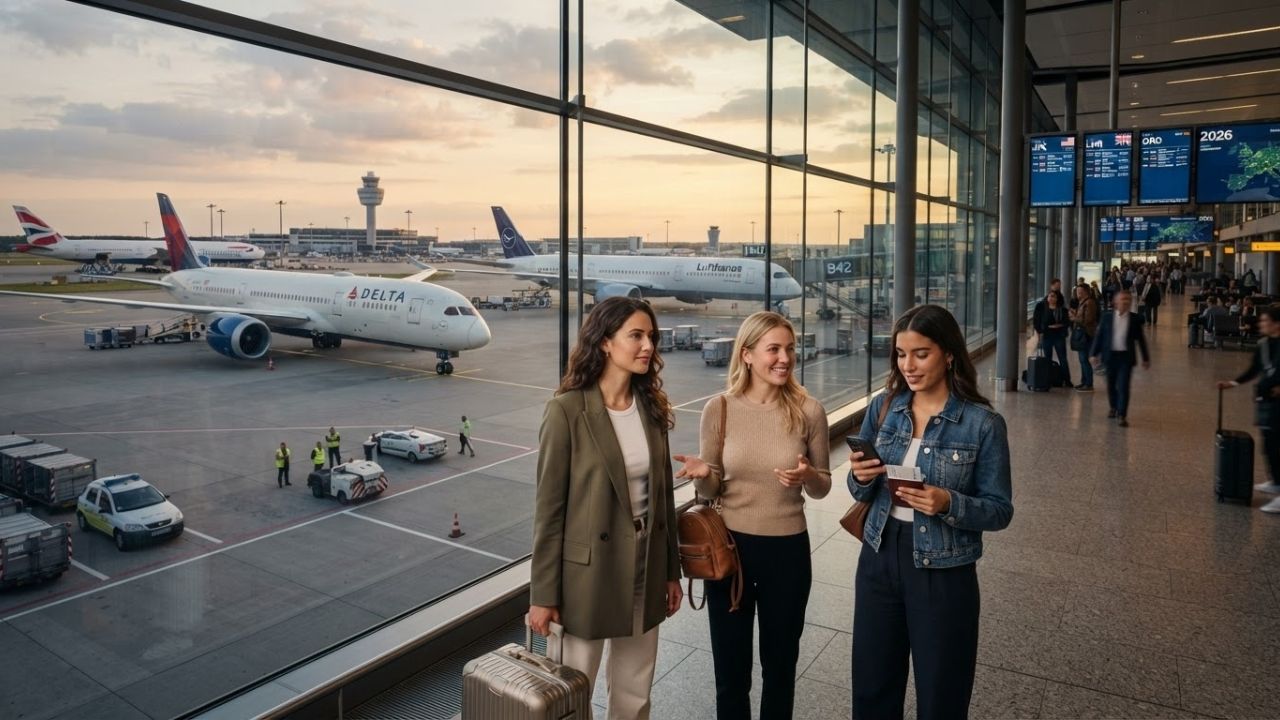
Image generated by AI
Major international carriers are restructuring their long-haul networks in 2026, dropping less profitable routes to manage high fuel costs and fleet delivery delays. This operational shift by airlines like Delta, Lufthansa, and British Airways reduces direct flights for secondary markets while consolidating capacity at primary hubs.
Carriers Prioritize Profitability Over Long-Haul Expansion
Our analysis of global airline schedules indicates a structural shift away from post-pandemic expansion toward strict margin management in 2026. Airlines are reviewing widebody route profitability under pressure from high kerosene costs, geopolitical airspace closures, and narrowbody aircraft delivery delays. To maintain operational resilience, major operators are cutting secondary international routes and reallocating widebody jets to higher-demand corridors.
Delta Air Lines has adjusted its global network from Hartsfield-Jackson Atlanta International Airport (ATL), extending the suspension of its Atlanta–Tel Aviv corridor and optimizing transatlantic frequencies. Similarly, Lufthansa Group has reduced capacity across Frankfurt and Munich hubs, cutting underperforming routes and reducing its active fleet of six Airbus A340-600 aircraft. Meanwhile, International Airlines Group (IAG) has flattened British Airways' expansion plans, shifting the focus to maintaining capacity on core North American and Asian routes.
Global Long-Haul Restructuring Table
Airlines are implementing distinct widebody and network strategies to adapt to 2026 constraints:
- Delta Air Lines: Extended suspension of Atlanta–Tel Aviv route, optimizing international widebody schedules from Atlanta.
- Lufthansa Group: Reduced capacity across Frankfurt/Munich, alongside Airbus A340-600 capacity reductions to lower operating costs.
- British Airways / IAG: Slower long-haul expansion at London Heathrow, flattening global capacity growth to protect margins.
- IndiGo: Ending widebody Boeing 787 operations leased from Norse Atlantic Airways by October 2026, shifting to narrowbody Airbus A321XLR long-range routes.
- Qantas: Managed long-haul expansion, delaying secondary routes to secure sustainable international growth from Australia.
Passenger Rights & Advisory (Information Gain & Experience)
For international travelers affected by route cancellations, scheduled suspensions, or equipment swaps, verifying carrier obligations is essential. Our analysis of international aviation frameworks suggests passengers verify their rights:
- US DOT Significant Delay Cash Refunds: Under U.S. Department of Transportation (DOT) guidelines, if an airline cancels your international route (such as Delta's Tel Aviv service) and you decline rebooking on codeshare partners, you have the right to a full cash refund of your ticket.
- EU261/2004 Flight Cancellation Protections: Under European Union Passenger Rights regulations, if Lufthansa or British Airways cancels a flight departing from an EU airport with less than 14 days' notice, you are entitled to alternative rebooking or a refund, plus cash compensation up to EUR 600, unless the cancellation is caused by extraordinary circumstances.
- IndiGo Widebody Leased Returns: For passengers booked on IndiGo's leased Norse Atlantic Boeing 787 flights to Europe, the transition to Airbus A321XLR aircraft by October 2026 may result in aircraft swaps. Passengers should verify seating configurations and baggage allowances early, as narrowbody operations have different cabin dynamics than widebody layouts.
Industry Analyst View
The international route restructuring of 2026 highlights the post-expansion reality of global commercial aviation. Moving away from highly speculative long-haul expansion toward fleet optimization helps protect airline balance sheets from volatile fuel prices.
However, this consolidation at mega-hubs like Atlanta and London Heathrow restricts travel options for passengers departing from secondary cities. To maintain global connectivity, carriers must establish seamless interline agreements and codeshare flights with regional partner airlines. This commercial integration is vital to secure network density and maintain passenger satisfaction as long-haul travel strategies evolve.
Related Travel Guides
Disclaimer
This article is for informational and educational purposes only. It does not constitute legal, financial, or professional advice. While we strive to provide accurate and up-to-date information, travel policies, regulations, and conditions change rapidly. Always verify information with official sources before making travel decisions. Nomad Lawyer makes no representations about the accuracy, reliability, completeness, or suitability of the information provided. Readers should consult qualified professionals for advice specific to their circumstances. The views expressed in this article are those of the author and do not necessarily reflect the views of Nomad Lawyer.
Kunal K Choudhary
Co-Founder & Contributor
A passionate traveller and tech enthusiast. Kunal contributes to the vision and growth of Nomad Lawyer, bringing fresh perspectives and driving the community forward.
Learn more about our team →