
Germany's 7th Month 2026 Travel Advisory: Spain, France, Netherlands, Bulgaria, Iceland Tighten Schengen ID Rules
Germany's latest travel advisory warns millions of tourists about stricter ID checks, border controls, and scam risks across Spain, France, Netherlands, Bulgaria, and Iceland in July 2026.

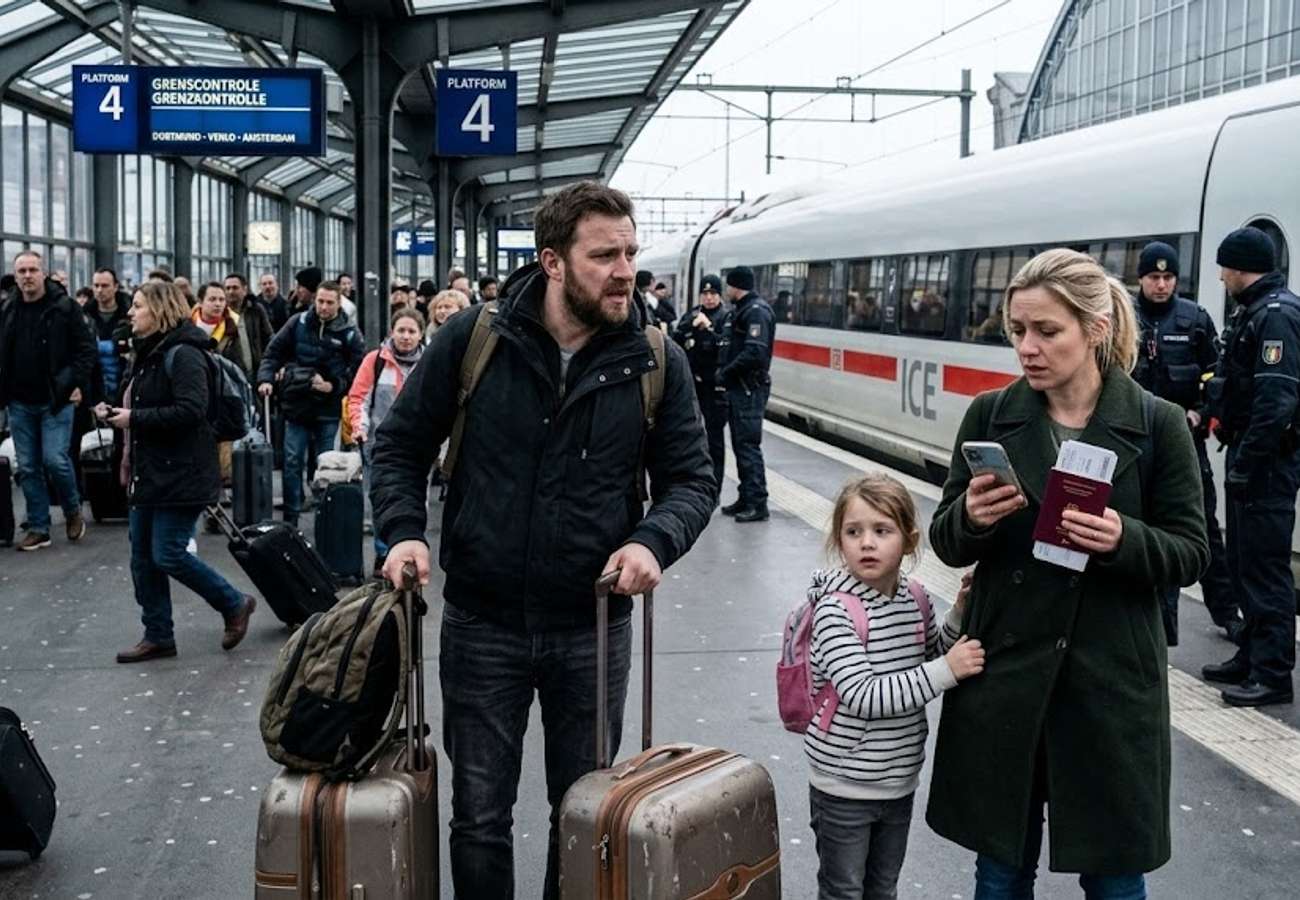
Image generated by AI
I have been crossing European borders for over two decades, and I can tell you firsthand that the Schengen Zone in July 2026 feels fundamentally different from even a year ago. Germany's Federal Foreign Office released its 7th-month travel advisory this week, and the message is blunt: carry your ID at all times, expect random checks, and stay sharp.
This is not a single-country alert. Germany has compiled a continent-wide risk assessment covering Spain, France, the Netherlands, Bulgaria, Iceland, and several other nations. The common thread is stricter documentation enforcement, heightened security screening, and a clear shift away from the open-border assumptions travelers have relied on for years.
I have watched this tightening happen in real time at border crossings like the one between Aachen and Maastricht, where Dutch police now routinely board intercity trains asking for passports. The advisory makes clear this is the new normal across multiple Schengen corridors.
Spain: Wildfires, Terror Alerts, and Tourist Crime
Spain remains Europe's most visited destination, but the advisory layers multiple risks that travelers need to take seriously. In Catalonia, a significant forest fire near La Bisbal d'Empordà has already burned hundreds of hectares. Tramontana winds are accelerating the spread, and authorities have issued fire bans and restricted forest access across the Girona region.
I traveled through Empordà last August during a smaller fire alert, and the speed at which evacuation orders can drop is genuinely alarming. If you are staying in rural Catalonia or the Costa Brava interior this month, follow the Generalitat de Catalunya's emergency alert system closely.
On the security front, Spain maintains its heightened terrorism alert level following the 2017 Barcelona and Cambrils attacks. I have walked through Las Ramblas dozens of times, and the armed police presence there is now permanent rather than reactive.
Crime remains the most persistent everyday risk for visitors. Pickpocketing on Barcelona's Metro Line 3 between Plaça de Catalunya and Liceu stations is a near-daily occurrence. I have personally witnessed distraction thefts outside the Sagrada Família where fake petition signers surround tourists while an accomplice grabs bags.
"Barcelona is stunning but you need street smarts. Keep your wallet in a front pocket, ignore anyone waving a petition at you near tourist sites, and never leave anything visible in a rental car. The highway scam between Girona and the French border where someone flags you down claiming damage is still active too." — u/BackPackerBryan, r/travel
France: Extreme Heat, Vigipirate, and Metro Theft
France operates under its highest Vigipirate anti-terror alert level, and you will notice it immediately when you arrive. Military patrols in Paris are a constant sight around Gare du Nord, Châtelet, and the Eiffel Tower. I have been stopped for bag inspections at the Louvre entrance twice this year alone.
The advisory flags extreme heat and dry conditions across southern France, significantly raising wildfire risks in rural areas. Campsites in the Var and Bouches-du-Rhône departments are particularly exposed. If you are booking outdoor accommodation in Provence or the Languedoc coast, check local fire restrictions daily.
Crime patterns remain stubbornly persistent. The Paris Metro, especially Lines 1 and 4 between major tourist stops, is the epicenter of pickpocketing. I have seen teams of three working the Châtelet-Les Halles interchange during rush hour with remarkable coordination.
Night trains in southern France have also recorded increased theft incidents. Motorway rest areas along the A7 and A9 corridors are flagged for organized theft activity targeting sleeping travelers.
Netherlands: Terror Level Four and Reintroduced Border Checks
The Netherlands currently sits at terror alert level four out of five, meaning authorities consider a real attack plausible. I noticed significantly increased police presence at Amsterdam Centraal and Schiphol Airport during my last transit through the country in May.
The most significant operational change is the reintroduction of internal border controls. If you are traveling by train from Germany into the Netherlands, expect random identity checks. I was asked for my passport on the ICE International between Cologne and Amsterdam in April, something that had not happened to me on that route since before 2020.
Amsterdam's petty crime targeting tourists continues around Dam Square, the Red Light District, and Centraal Station. Fake distress stories and financial scams are also reported more frequently in the city center.
The advisory also notes increased caution for Dutch Caribbean territories, where robbery after dark is a documented concern.
Bulgaria: Strict Law Enforcement and Hitchhiking Risks
Bulgaria offers relative political stability but enforces its laws with a firmness that catches some travelers off guard. The advisory highlights theft at Sofia Airport, railway stations, and crowded tourist areas like Plovdiv's Old Town.
Vehicle theft from unattended or unlocked cars remains a recurring problem. I have spoken to travelers who had rental cars broken into at Rila Monastery parking areas, so keep valuables with you at all stops.
One unusual legal point stands out. Hitchhiking in Bulgaria can be interpreted under certain legal provisions as facilitating human smuggling. This creates a significantly stricter environment than most travelers expect.
Customs enforcement is rigorous. Cash exceeding €10,000 must be declared on entry. Failure to comply can result in confiscation and penalties. The European Commission's customs guidance provides detailed breakdowns of these requirements.
Iceland: Safe but Regulated
Iceland remains one of Europe's safest destinations with remarkably low crime rates. Petty theft can occur in Reykjavík around Laugavegur and the Golden Circle tourist routes, but the risk is minimal compared to continental Europe.
The advisory emphasizes customs and import regulations instead. Fishing equipment must be disinfected before entry, and riding equipment has specific import restrictions designed to protect Iceland's isolated ecosystem. These rules are not bureaucratic formalities—they are strictly enforced at Keflavík Airport.
I have watched customs officers carefully inspect fishing gear at Keflavík, so do not assume you can skip the disinfection requirement.
Practical Visitor Guide
Best Times to Visit: July and August remain peak season across all five countries, but Spain's wildfire risk peaks in these months. For southern Spain, consider September when temperatures drop and fire risk decreases. Iceland's summer window runs June through August with nearly 24-hour daylight.
Documentation: Carry your passport or national ID card at all times, even within Schengen. Germany's advisory makes clear that random checks at land borders, train routes, and airports are now routine. Keep digital and physical copies stored separately.
Local Safety: In Barcelona and Madrid, use anti-theft bags and avoid carrying phones visibly on Metro platforms. In Paris, be vigilant on Metro Lines 1 and 4. In Amsterdam, watch for distraction scams near Dam Square. In Bulgaria, never leave valuables in parked vehicles.
Budget Expectations: Iceland remains the most expensive, with a basic meal in Reykjavík running 2,500-4,000 ISK. Spain offers the best value, with menú del día lunches at 12-15 euros in Madrid and Barcelona. Bulgaria is the most affordable, with solid meals in Sofia for 10-15 leva. France and the Netherlands sit in the middle, with Paris and Amsterdam restaurant prices 20-40% higher than secondary cities.
Border Transit Tips: If crossing Germany to the Netherlands by train, keep your passport accessible. The ICE International and intercity routes now see periodic checks. Driving between France and Spain via the AP-8 and A-7 corridors, keep documents ready at the La Jonquera crossing where inspections have increased.
Emergency Numbers: Spain: 112. France: 112. Netherlands: 112. Bulgaria: 112. Iceland: 112. The unified European emergency number works across all these countries.
Europe's borders are still open, but the days of traveling without your passport in your pocket are firmly over.
Related Travel Guides
Disclaimer
This article is for informational and educational purposes only. It does not constitute legal, financial, or professional advice. While we strive to provide accurate and up-to-date information, travel policies, regulations, and conditions change rapidly. Always verify information with official sources before making travel decisions. Nomad Lawyer makes no representations about the accuracy, reliability, completeness, or suitability of the information provided. Readers should consult qualified professionals for advice specific to their circumstances. The views expressed in this article are those of the author and do not necessarily reflect the views of Nomad Lawyer.
Raushan Kumar
Founder & Lead Developer
Full-stack developer with 11+ years of experience and a passionate traveller. Raushan built Nomad Lawyer from the ground up with a vision to create the best travel and law experience on the web.
Learn more about our team →