
Geopolitical Conflicts Reshape Global Tourism: Human Rights Now Define Travel
Ukraine, Iran, Israel, and Lebanon show how human rights, safety concerns, and geopolitical tensions now dictate where travelers go, reshaping international tourism patterns and economic stability in 2026.

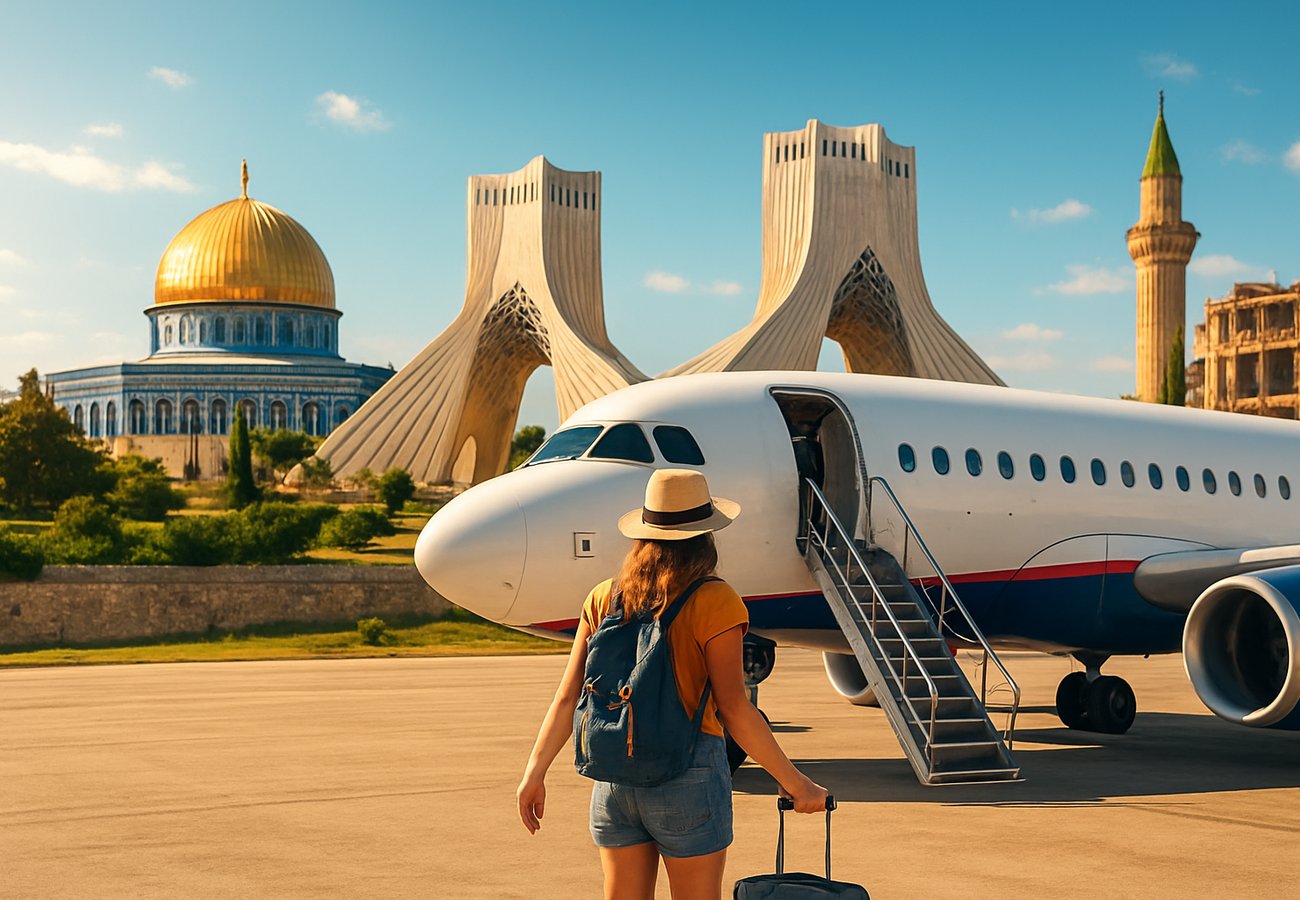
Image generated by AI
The world's travelers are no longer just chasing postcards and Instagram moments. They're voting with their passports—and human rights records, safety advisories, and geopolitical conflicts are now the deciding factors.
Ukraine, Iran, Israel, Lebanon, and the United States stand at the epicenter of a fundamental shift in how the global tourism industry operates. This isn't about hotel stars or museum hours anymore. It's about ethics, civilian safety, and whether a destination aligns with travelers' moral compasses.
The numbers don't lie. Airlines are rerouting flights, travel advisories are reshaping demand patterns, and entire regional economies dependent on tourism are hemorrhaging revenue. Welcome to 2026—where conscience and safety have become the ultimate travel guides.
Ukraine: Solidarity Tourism Emerges from the Ashes
Ukraine's traditional tourism sector lies shattered, with major cities devastated and millions displaced. Yet something unexpected is happening in the rubble: a new form of travel activism.
Researchers, journalists, and ethically-minded travelers are arriving—not for leisure, but for purpose. They're documenting humanitarian conditions, supporting local communities, and bearing witness to civilian resilience. This isn't mass tourism; it's solidarity travel, and it's rewriting the rulebook.
Reddit: "I went to Ukraine last year thinking it was insane. But meeting the locals, seeing how they kept going—that changed everything about how I think about travel." — r/travel
The shift reveals an uncomfortable truth: tourism can drive global awareness and humanitarian action even when traditional leisure travel is impossible. For Ukraine, international visitors now represent empathy, not economics—though the economic ripple effects matter too.
United States: Human Rights Concerns Cloud a Global Powerhouse
The United States still attracts millions of international visitors annually. But the narrative has shifted dramatically.
Immigration enforcement practices, detention facility conditions, civil rights protections for minorities, and police brutality concerns are now part of the travel conversation. Global media coverage and State Department travel advisories have amplified these concerns, especially among travelers from Asia, Africa, and the Middle East.
This is unprecedented: even the world's most established tourism destination is being evaluated on human rights metrics. Potential visitors from vulnerable populations now question whether they'll face discrimination or safety risks. The US tourism brand no longer rests solely on Broadway, Disneyland, or the Grand Canyon.
Israel: Military Tensions Devastate the Tourism Economy
Israel, a destination of profound religious and cultural significance, has seen tourism collapse under the weight of ongoing military tensions.
Security threats and international travel advisories have created a chilling effect. Hotels report plummeting occupancy. Restaurants sit empty. Archaeological sites and religious landmarks—the lifeblood of Israel's tourism economy—face economic freefall. The economic damage extends beyond hotels: tour guides, taxi drivers, and entire supply chains dependent on visitor spending are suffering acute revenue losses.
What's instructive here: even destinations with irreplaceable cultural attractions cannot overcome sustained conflict and safety concerns. Geography and heritage mean nothing if travelers fear for their lives.
Lebanon: A Regional Gem Dimmed by Political Crisis
Lebanon's tourism industry once drove its economy. Beirut was the "Paris of the Middle East." That era has evaporated.
Political instability, regional conflict spillovers, and government "do not travel" advisories have strangled international arrivals. Hotels face chronic underoccupancy. Restaurants shutter. Cultural attractions sit vacant. Investor confidence has collapsed entirely.
Lebanon illustrates the fragility of tourism economies when governance fails. One decade of political chaos can obliterate decades of tourism brand-building. The lesson is brutal: travelers want stability and security above all else.
Iran: UNESCO Treasures Can't Compete with Geopolitical Risk
Iran possesses some of the world's most stunning cultural heritage sites—dozens of UNESCO World Heritage locations showcasing millennia of Persian civilization. Yet international tourism remains severely depressed.
Geopolitical tensions, global sanctions, and US State Department warnings citing civil unrest, arbitrary detention risks, and terrorism threats have effectively shut down leisure tourism. Despite unparalleled historical and architectural wonders, the risk premium is simply too high for most international travelers.
Reddit: "I wanted to visit Iran for years. The history alone is worth it. But after reading the travel warnings and talking to others, I just can't justify the risk right now." — r/solotravel
This reality is sobering: perceived danger overwhelms cultural allure in modern travel decision-making.
The Global Infrastructure Collapse: Airlines and Routes Under Strain
The geopolitical tourism crisis is reshaping the world's airline network itself.
Airlines are avoiding conflict zones entirely, rerouting flights over safer airspace, and dramatically increasing fares to compensate for longer routes and operational costs. A flight from Europe to the Middle East that once flew directly now takes circuitous routes, burning extra fuel and driving ticket prices higher.
Travel demand is shifting forcefully toward perceived-safe destinations. Travelers from wealthy nations increasingly favor Northern Europe, Canada, and Southeast Asia—regions seen as politically stable and human-rights compliant. This geographic concentration of demand is creating economic winners and catastrophic losers across the global tourism landscape.
The Economic Bloodbath: Hard Numbers on Tourism Collapse
The financial consequences are staggering:
- Hotel occupancy rates in conflict-adjacent regions have dropped 40-60% year-over-year
- Airlines operating restricted routes report fuel surcharges of 15-25% on affected corridors
- Regional tourism-dependent economies are experiencing GDP contractions of 8-15% in affected sectors
- Unemployment in hospitality sectors has spiked dramatically in destabilized regions
These aren't abstract figures. They represent destroyed livelihoods, shuttered family businesses, and regional economic depression. Tourism isn't just about pleasure—it's economic lifeline for millions in developing nations.
The New Travel Calculus: Ethics Meets Economics
Modern travelers—particularly millennials and Gen Z—are fundamentally different from their predecessors.
They research government human rights records. They read Amnesty International reports before booking flights. They factor in civil liberties protections, LGBTQ+ safety, and minority protections into destination decisions. This isn't hippie idealism; it's rational risk assessment combined with moral conviction.
The travel industry is being forced to adapt. Destinations that ignore human rights concerns now face economic consequences. Conversely, nations that prioritize governance, safety, and ethical standards are attracting affluent, socially conscious travelers who spend freely and stay longer.
The 2026 Paradigm Shift: Human Rights as Competitive Advantage
We're witnessing the emergence of a new tourism paradigm. Human rights, civil liberties, and safety have become the primary competitive factors in global tourism, surpassing traditional metrics like hotel quality or natural beauty.
Ukraine, the United States, Israel, Lebanon, and Iran represent the frontline of this transformation. These nations demonstrate that no destination—regardless of historical significance, cultural richness, or economic importance—can ignore the intersection of ethics and tourism.
For travelers: the world is now divided into destinations where you feel safe and ethically comfortable. Everything else is secondary.
For governments: investing in human rights, governance transparency, and civilian protection isn't just morally correct—it's now the foundation of economic tourism strategy.
The revolution is underway. Tourism will never be purely about sightseeing again.
The passport is now a moral statement.
Related Travel Guides
Boeing's 737 MAX 10 Faces Prolonged Certification Delays Despite 1,400+ Orders Backing Production
UK's Bold Plan to Save Summer 2026 Holidays: New Jet Fuel Measures and Travel Stability
Disclaimer
This article is for informational and educational purposes only. It does not constitute legal, financial, or professional advice. While we strive to provide accurate and up-to-date information, travel policies, regulations, and conditions change rapidly. Always verify information with official sources before making travel decisions. Nomad Lawyer makes no representations about the accuracy, reliability, completeness, or suitability of the information provided. Readers should consult qualified professionals for advice specific to their circumstances. The views expressed in this article are those of the author and do not necessarily reflect the views of Nomad Lawyer.
Kunal K Choudhary
Co-Founder & Contributor
A passionate traveller and tech enthusiast. Kunal contributes to the vision and growth of Nomad Lawyer, bringing fresh perspectives and driving the community forward.
Learn more about our team →