
GCC Tourism Recovery 2026: Bahrain and Saudi Arabia Lead Surge in Regional Travel Demand
Regional travel across the GCC is rapidly approaching pre-war levels as Bahrain, Saudi Arabia, and the UAE see a surge in short-haul leisure and business mobility.

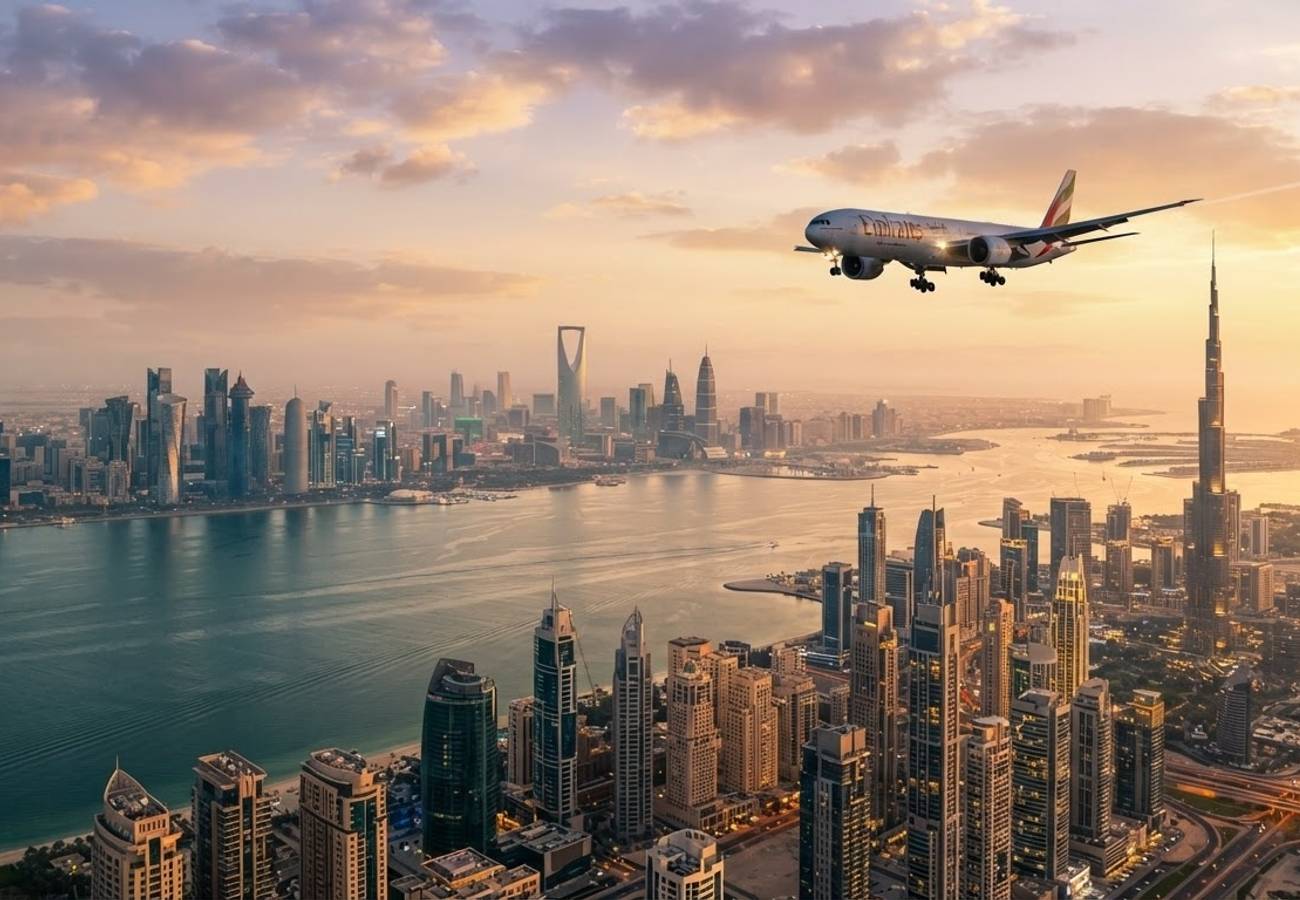
Image generated by AI
Regional mobility within the Gulf Cooperation Council (GCC) is rebounding with significant momentum, as short-haul travel and business corridors recover faster than long-haul international arrivals. While geopolitical instability has slowed the return of overseas tourists, internal GCC traffic is nearing pre-conflict volumes.
The recovery is primarily fueled by a restoration of airline schedules and a surge in confidence among residents of Bahrain, Saudi Arabia, the United Arab Emirates (UAE), Qatar, Kuwait, and Oman. Short-distance journeys—specifically those driven by family visits and corporate requirements—are the primary engines of this growth.
Regional Momentum and Recovery Metrics
The disparity between regional and international recovery is stark. Gulf residents are prioritizing familiar, nearby destinations over long-haul trips, which remain hindered by security concerns and intermittent airline suspensions.
The following data outlines the current recovery status across key travel segments:
| Travel Segment | Recovery Level (vs. Pre-War Period) |
|---|---|
| Leisure travel and visiting family/friends | Around 85% |
| Business travel | Around 70% |
| UAE hotel occupancy (expected recovery) | 60–66% in coming months |
| UAE hotel occupancy (H1 decline) | Around 30.3% decline |
| International tourism recovery | Slower (due to suspensions/concerns) |
Bahrain and Saudi Arabia: Anchoring Regional Growth
Bahrain is leveraging its high connectivity with neighboring markets to capture the return of short-haul leisure and business traffic. As GCC flight networks stabilize, Bahrain is seeing a renewed demand for cultural visits and weekend breaks, positioning the kingdom as a vital node in the Gulf travel ecosystem.
Simultaneously, Saudi Arabia continues to demonstrate remarkable resilience. The kingdom's tourism economy remains anchored by religious travel to Makkah and Madinah, which continues to attract millions of visitors. Furthermore, Riyadh has solidified its status as a premier hub for corporate mobility, driven by massive economic development projects.
UAE and Qatar: Aviation Hubs Driving the Rebound
The UAE remains the most aggressive recovery market in the region. Despite a significant 30.3% drop in hotel occupancy during the first half of the year, the second half is showing a strong reversal. Forecasts suggest a recovery of 60–66% in occupancy as confidence returns to Dubai and Abu Dhabi.
Qatar is similarly benefiting from its role as a global transport hub. The recovery of Doha's aviation sector is directly translating into increased demand for hotels and conferences, as corporate movement across the GCC resumes.
Oman and Kuwait: Niche and Stability-Driven Growth
Oman is seeing a specific uptick in leisure demand. Its natural landscapes and heritage sites are becoming preferred alternatives for GCC travelers who are avoiding longer international flights.
Kuwait’s recovery is more gradual and heavily dependent on regional stability. Growth here is primarily seen in family and business travel, mirroring the broader trend of intra-GCC mobility.
The Aviation Pivot and Q4 Outlook
The rebound of the GCC tourism sector is inextricably linked to aviation. While regional carriers have successfully rebuilt most of their schedules, the international landscape remains uneven. Several global airlines have yet to fully restore services, creating a bottleneck for overseas leisure travelers.
However, the outlook for the final quarter of 2026 is positive. The combination of improved regional stability and the restoration of international carrier services is expected to push the region closer to full pre-war capacity.
The Gulf is proving that regional demand can sustain a tourism economy even when global confidence wavers.
Key Takeaways
- Internal vs. External: Intra-GCC travel (85% recovery for leisure) is far outpacing international tourism.
- Business Engine: Corporate travel has recovered to roughly 70%, with Riyadh and Doha acting as primary hubs.
- UAE Volatility: After a 30.3% H1 slump, UAE hotels are projected to recover by 60–66%.
- Strategic Anchors: Religious tourism in Saudi Arabia and short-haul connectivity in Bahrain are stabilizing the regional market.
FAQ
Why is regional travel recovering faster than international tourism in the GCC? Shorter distances, familiar destinations, and improved regional airline connectivity make intra-GCC travel less risky and more accessible for residents compared to long-haul international flights.
How has the conflict impacted UAE hotel occupancy? The UAE experienced a decline of approximately 30.3% in hotel occupancy during the first half of the year, though a strong recovery is expected in the following months.
Which cities are leading the business travel recovery? Riyadh and Doha have emerged as the primary leaders in corporate mobility and business tourism within the region.
Related Travel Guides
Disclaimer
This article is for informational and educational purposes only. It does not constitute legal, financial, or professional advice. While we strive to provide accurate and up-to-date information, travel policies, regulations, and conditions change rapidly. Always verify information with official sources before making travel decisions. Nomad Lawyer makes no representations about the accuracy, reliability, completeness, or suitability of the information provided. Readers should consult qualified professionals for advice specific to their circumstances. The views expressed in this article are those of the author and do not necessarily reflect the views of Nomad Lawyer.
Kunal K Choudhary
Co-Founder & Contributor
A passionate traveller and tech enthusiast. Kunal contributes to the vision and growth of Nomad Lawyer, bringing fresh perspectives and driving the community forward.
Learn more about our team →