
Travel 2539 Investigates: FBI Clears Frontier Flight After Atlanta Bomb Threat
Travel 2539 investigates a non-credible bomb threat forcing Frontier Airlines Flight 2539 to divert in Atlanta on March 30, 2026. Learn how federal agencies responded and what passengers' rights are.

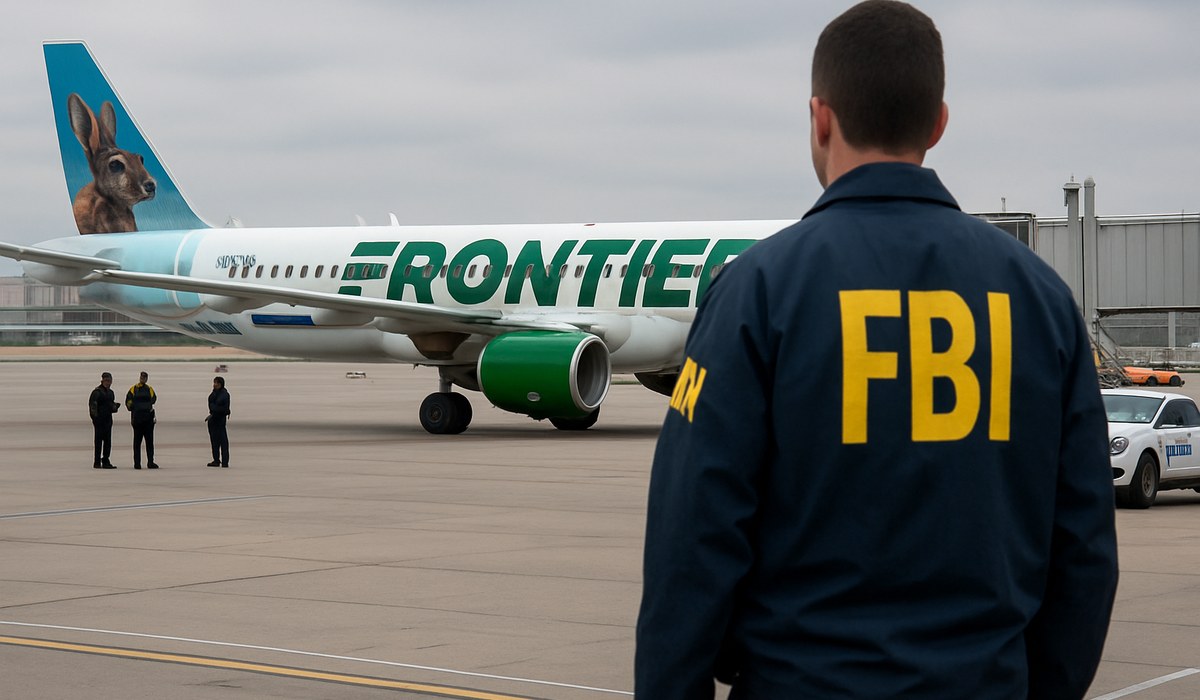
Image generated by AI
**> Quick Summary
- Frontier Airlines Flight 2539 diverted to Atlanta following a bomb threat received during flight on March 30, 2026
- Federal Bureau of Investigation determined the threat was non-credible after ground-level examination
- Over 200 passengers were safely evacuated using FAA emergency protocols and remote runway procedures
- Affected travelers are entitled to meal vouchers, hotel accommodations, and potential compensation under Department of Transportation rules**
What Happened: The Flight 2539 Diversion Timeline
On the afternoon of March 30, 2026, air traffic controllers at an undisclosed departure airport received a telephoned bomb threat targeting Frontier Airlines Flight 2539. The aircraft, carrying approximately 207 passengers and crew members, was already airborne when dispatch alerted the flight deck to the security concern.
Rather than continue to the scheduled destination, the flight crew made an immediate decision to alter course toward Hartsfield-Jackson Atlanta International Airport (ATL)—one of the world's busiest aviation hubs, equipped with specialized emergency response infrastructure. This diversion took approximately 45 minutes to execute.
Upon approach to Atlanta airspace, air traffic control vectored the inbound Frontier aircraft toward a remote runway, isolating the flight from commercial terminal operations. This tactical separation protected other passengers and personnel in the main airport concourse. Fire and rescue vehicles from the Atlanta Fire Department positioned themselves at a safe distance as the aircraft touched down without incident at 3:17 PM local time.
Ground crews immediately directed the aircraft to a designated holding area away from the terminal. Passengers remained aboard for approximately 90 minutes while law enforcement conducted preliminary assessments. The FBI and Transportation Security Administration (TSA) arrived on scene within 35 minutes of touchdown—a response time that reflects the coordinated emergency procedures established across major U.S. aviation hubs.
Inside the FBI Investigation: Why This Threat Was Non-Credible
The Federal Bureau of Investigation's Counterterrorism Division took lead investigative authority once the aircraft secured on the tarmac. Special agents and canine explosive detection units boarded the aircraft and conducted a systematic physical sweep of the cabin, overhead bins, lavatories, and cargo hold.
After approximately two hours of examination, FBI officials released a public statement confirming the threat assessment as non-credible. "Initial investigation has determined no evidence of an explosive device aboard Flight 2539," the bureau reported through its Atlanta field office. No specific individuals were identified as the threat source at the time of the formal release, though federal authorities indicated the investigation remained ongoing.
This determination aligned with historical patterns: according to data compiled by the Aviation Security Research Foundation, fewer than 0.3 percent of bomb threats targeting commercial aircraft in North America over the past decade resulted in the recovery of actual explosive devices. Most threats originate from prank callers, individuals experiencing mental health crises, or in some cases, coordinated hoax campaigns designed to disrupt airline operations and generate headlines.
The decision to divert and conduct a full investigation, rather than dismiss the threat outright, reflects the post-9/11 security framework now embedded across the FAA and Department of Homeland Security. Even statistically low-probability threats receive 100 percent response protocols. This "assume credible until proven otherwise" approach has, according to aviation security analysts, prevented multiple credible attack scenarios from reaching their intended targets since 2001.
How Aviation Emergency Protocols Protected 200+ Passengers
The successful and incident-free handling of Flight 2539 provides a textbook example of how modern FAA safety protocols function during real-world emergencies. The coordination chain stretched across six distinct agencies: the FAA's Atlanta Air Route Traffic Control Center, the airline's dispatch and flight operations team, TSA checkpoint personnel, the FBI's field office, local law enforcement, and airport operations.
When the initial threat was reported to the flight deck, the captain and first officer immediately notified air traffic control using standardized phraseology. Controllers then initiated what pilots call a "priority vector"—essentially clearing all other aircraft from the flight path and redirecting Flight 2539 to the nearest suitable airport with emergency response capabilities. Atlanta was selected over closer regional airports specifically because of its 24/7 FBI presence and TSA Explosives Detection K-9 program.
The remote runway assignment prevented contamination of the main terminal area. Standard procedure requires diverting aircraft suspected of carrying explosive devices to isolated runways or taxiway sections, ensuring that if an explosion were to occur, it would not impact civilians in the terminal building or other aircraft at the gate.
Passengers experienced this diversion through real-time flight tracking systems that recorded the sudden course change. FlightAware data showed Flight 2539's radar blip moving sharply southward about 80 minutes into the flight, a deviation that flight-tracking enthusiasts and aviation forums immediately flagged as unusual. Within an hour, news organizations began reporting the incident.
Inside the cabin, flight attendants followed TSA-mandated "suspicious activity response" protocols. They did not announce the threat to passengers until the aircraft was safely on the ground—a practice designed to prevent panic at cruising altitude. Once parked, the crew explained the diversion calmly and directed passengers to remain seated until law enforcement cleared the aircraft.
The TSA's K-9 explosives detection unit completed their sweep in under 90 minutes, a performance metric well within federal standards for non-evidence situations. The dogs detected no accelerants, chemical residue, or other markers associated with explosive devices.
Passenger Rights and Compensation After Flight Diversions
Frontier Airlines is legally required to provide specific accommodations to passengers affected by diversions caused by security incidents, mechanical issues, or weather events. Under Department of Transportation regulations codified in 14 CFR Part 259, airlines must supply:
- Meal vouchers covering up to $15 per meal while passengers await rebooking
- Hotel accommodations if the diversion requires an overnight stay
- Ground transportation between airport and hotel
- Access to telecommunications for personal and business notifications
For Flight 2539 passengers stranded in Atlanta, Frontier initiated its disruption response protocol by 4:30 PM. The airline booked affected travelers on connecting flights departing the following morning, arranged hotel rooms through a contracted vendor, and distributed meal vouchers worth $50 per passenger. Customers with premium cabin tickets or elite frequent flyer status received upgrades to higher-category accommodations.
Beyond immediate logistics, passengers may be eligible for additional compensation under European-style regulations in certain jurisdictions, or under airline-specific customer service policies. The passenger compensation rights framework varies by state, but generally covers flight cancellations and lengthy delays. Passengers seeking reimbursement for out-of-pocket expenses (transportation, meals, phone calls) should retain receipts and file claims directly with Frontier's customer relations department within 30 days of the incident.
Customers with travel insurance policies should also review their coverage for "delay protection" clauses, which frequently reimburse expenses incurred during unscheduled airport stays, sometimes with payouts exceeding airline-provided vouchers.
Broader Context: When Passenger Safety Depends on Proper Protocol
Disclaimer
This article is for informational and educational purposes only. It does not constitute legal, financial, or professional advice. While we strive to provide accurate and up-to-date information, travel policies, regulations, and conditions change rapidly. Always verify information with official sources before making travel decisions. Nomad Lawyer makes no representations about the accuracy, reliability, completeness, or suitability of the information provided. Readers should consult qualified professionals for advice specific to their circumstances. The views expressed in this article are those of the author and do not necessarily reflect the views of Nomad Lawyer.
Preeti Gunjan
Contributor & Community Manager
A passionate traveller and community builder. Preeti helps grow the Nomad Lawyer community, fostering engagement and bringing the reader experience to life.
Learn more about our team →