
France Leads Global Tourism Surge in 2026 as 1.52 Billion Travelers Drive Experience-Based Travel
Global tourism enters a transformative era in 2026, with France and Spain maintaining dominance while Japan, Vietnam, and Saudi Arabia redefine luxury and authentic travel experiences.

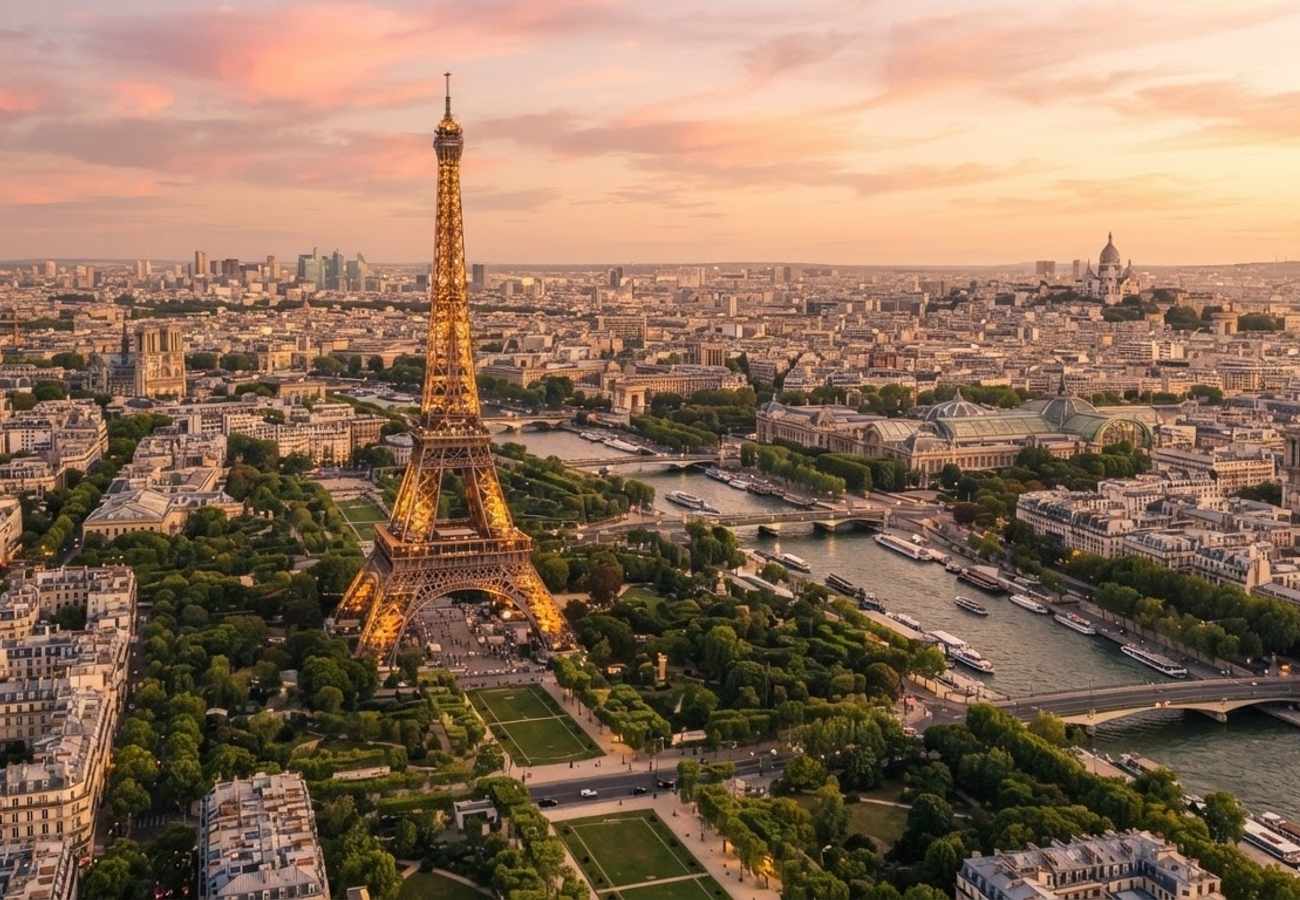
Image generated by AI
Global travel has shifted from passive sightseeing to an "experience economy," with 1.52 billion international tourists hitting the road in 2025. The battle for dominance now centers on authenticity, sustainability, and wellness rather than just famous landmarks.
The international travel sector has entered a powerful new phase in 2026. While the industry previously relied on the allure of iconic monuments and beaches, the current competitive landscape is defined by the design of the visitor journey. Countries are now competing to offer "meaningful" travel—integrating local traditions, wellness, and adventure into a cohesive service model.
According to data from UN Tourism, global international tourism reached a historic peak in 2025. Approximately 1.52 billion people traveled internationally, marking an increase of nearly 60 million visitors over 2024 figures. This surge confirms that global demand is not only recovering but expanding into new, more sophisticated territories.
European Powerhouses: France and Spain Pivot to Quality
France continues to dominate as the world's premier tourism destination. Its success stems from a diversified ecosystem that blends urban luxury in Paris with the rural appeal of Provence, the ruggedness of the Alps, and the prestige of the Bordeaux wine regions.
Rather than relying solely on the Eiffel Tower or the Louvre, France is now focusing on regional dispersion—encouraging visitors to explore historic villages and coastal destinations to protect heritage sites from over-tourism.
Spain is mirroring this strategic shift as it chases a symbolic milestone. In 2025, Spain welcomed approximately 96.8 million international visitors. To cross the 100 million mark, the Spanish government is intentionally moving away from a reliance on mass summer tourism. The new priority is a balanced portfolio featuring:
- Premium cultural routes
- Sustainable rural tourism
- High-end gastronomy and heritage experiences
Asian Expansion: Japan's Innovation and Vietnam's Value
In Asia, Japan has solidified its status as a tourism powerhouse by blending futuristic technology in Tokyo with the ancient serenity of Kyoto's temples and Mount Fuji. To maintain growth without compromising quality of life for residents, Japan is incentivizing travelers to visit lesser-known regions, spreading economic benefits across local communities.
Simultaneously, Vietnam is emerging as one of the fastest-growing markets in the region. By leveraging high value-for-money offerings and expanding luxury resorts in areas like Phu Quoc, Da Nang, and Hoi An, Vietnam is shifting its goal from simple sightseeing to increasing the average length of stay and per-visitor spend.
Emerging Frontiers: Morocco and Saudi Arabia
Africa's tourism landscape is being reshaped by Morocco. Through aggressive investment in airport infrastructure and hotel development, Morocco has successfully branded itself as a gateway to the Sahara Desert and the Atlas Mountains, moving beyond traditional markets to attract a broader global demographic.
Meanwhile, Saudi Arabia is executing one of the most ambitious tourism pivots in history via Vision 2030. By investing billions into "giga-projects" such as the Red Sea luxury resorts and AlUla heritage sites, the Kingdom is attempting to create an entirely new global leisure identity centered on luxury and exclusivity.
Andorra’s Strategic Pivot to Year-Round Travel
Andorra provides a masterclass in how small nations can compete globally. Traditionally viewed as a winter ski and shopping hub, the mountain nation is rebranding as a four-season destination.
In 2025, Andorra recorded roughly 9.19 million visitors. The rise in overnight stays suggests that the strategy to move toward "quality over quantity" is working, shifting the focus toward wellness and UNESCO-recognized nature.
Andorra’s 2026 Tourism Strategic Framework
| Tourism Area | 2026 Strategic Objective |
|---|---|
| Year-round tourism | Transitioning from winter-centric to all-season travel |
| Nature tourism | Scaling hiking, mountain biking, and outdoor adventures |
| Wellness tourism | Expanding high-end thermal spa experiences |
| Cultural tourism | Promoting Romanesque heritage and local museums |
| UNESCO tourism | Highlighting the Madriu-Perafita-Claror Valley |
| Gastronomy | Scaling mountain cuisine and authentic food experiences |
| Sustainability | Implementing responsible mountain tourism protocols |
| Premium travel | Driving longer stays and increased visitor expenditure |
The New Hierarchy of Global Travel
The winners of the 2026 tourism era are no longer those with the most famous landmarks, but those who provide the most authentic connections. The modern traveler prioritizes sustainability, local food, and wellness over generic checklists.
Whether it is the established systems of France and Spain or the aggressive growth of Saudi Arabia and Vietnam, the industry is moving toward a model where the value of a destination is measured by the depth of the experience rather than the volume of the crowd.
The era of mass tourism is fading; the era of the curated experience has arrived.
Key Takeaways
- Record Growth: Global tourism hit 1.52 billion visitors in 2025, up 60 million from 2024.
- Strategic Shift: Destinations are pivoting from "sightseeing" to "experience-based" travel (wellness, culture, and sustainability).
- European Dominance: France remains the leader, while Spain nears the 100 million visitor milestone.
- Asian Rise: Japan focuses on regional dispersion; Vietnam focuses on high-value, longer stays.
- Niche Success: Andorra is successfully transitioning from a ski-only destination to a year-round wellness and nature hub.
FAQ
Which country is the most visited in 2026? France remains the global leader due to its diverse offerings, ranging from the luxury of Paris to the nature of the Alps and Provence.
What is the current trend in international tourism? The primary trend is "Experience Travel," where tourists seek authentic local culture, sustainable practices, and wellness retreats over traditional landmark sightseeing.
How is Saudi Arabia changing its tourism image? Through Vision 2030, Saudi Arabia is investing billions into luxury Red Sea resorts and heritage sites like AlUla to become a top-tier global leisure destination.
Related Travel Guides
Disclaimer
This article is for informational and educational purposes only. It does not constitute legal, financial, or professional advice. While we strive to provide accurate and up-to-date information, travel policies, regulations, and conditions change rapidly. Always verify information with official sources before making travel decisions. Nomad Lawyer makes no representations about the accuracy, reliability, completeness, or suitability of the information provided. Readers should consult qualified professionals for advice specific to their circumstances. The views expressed in this article are those of the author and do not necessarily reflect the views of Nomad Lawyer.
Raushan Kumar
Founder & Lead Developer
Full-stack developer with 11+ years of experience and a passionate traveller. Raushan built Nomad Lawyer from the ground up with a vision to create the best travel and law experience on the web.
Learn more about our team →