
France, Italy, and Spain Implement Strict Visitor Controls to Combat Viral Overtourism in 2026
France, Italy, Spain, Portugal, and the Netherlands are deploying pricing measures, capacity limits, and digital strategies to manage extreme visitor concentrations driven by viral travel trends.
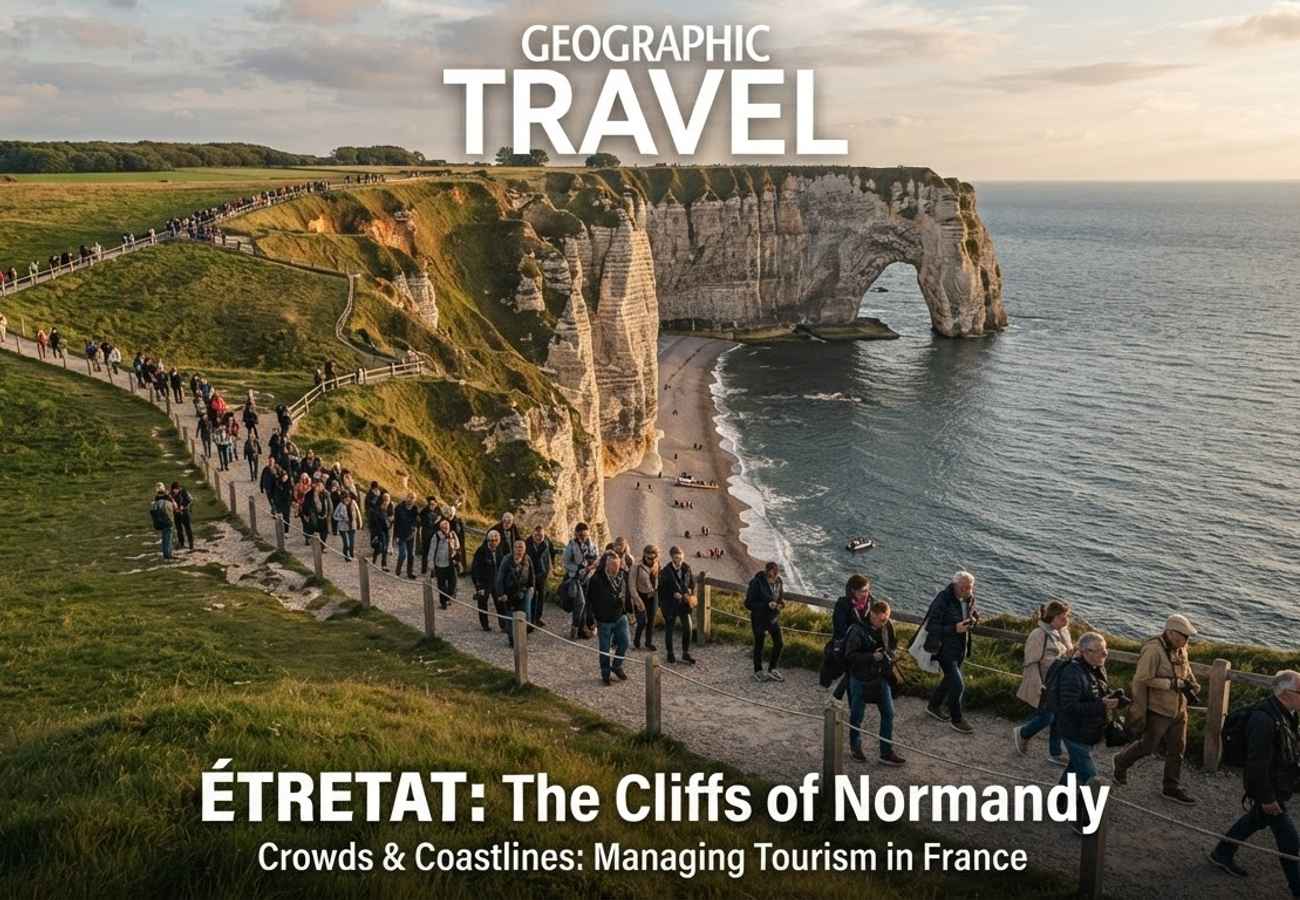
Image generated by AI
Five European nations have entered a strategic alliance to mitigate the "digital dilemma," where viral social media trends concentrate massive crowds into fragile landmarks. France, Italy, Spain, Portugal, and the Netherlands are now enforcing strict visitor controls, pricing mechanisms, and capacity caps to prevent systemic collapse of local infrastructure.
The Digital Dilemma: Viral Trends vs. Physical Capacity
The current crisis is not defined by the total volume of tourists, but by extreme concentration. Our analysis indicates that digital platforms create "hyper-hotspots" where thousands of travelers seek identical photographs, overwhelming destinations that lack the infrastructure to support such spikes.
France: Infrastructure Strain in Normandy
In Étretat, the impact of viral visibility is acute. A community of approximately 1,100 permanent residents now manages approximately 1.5 million annual visitors.
- Impact: Severe pressure on roads, parking, and environmentally sensitive cliff areas.
- Response: Tighter access controls on dangerous coastal sections and increased traffic management.
- Other Measures: Giverny has implemented advance reservation systems for Claude Monet’s house and gardens to regulate flow.
Italy: Monetizing Access in Venice
Italy is transitioning from accommodating growth to managing demand, specifically in Venice, Florence, and the Dolomites.
- Venice Access Program: In 2026, an experimental day-visitor fee was expanded across 60 days.
- Pricing Structure: Eligible visitors paid €5 for early bookings and €10 for later bookings.
- Financials & Volume: The program recorded 679,553 paid vouchers, generating over €5.2 million.
- Result: Average daily paid vouchers decreased by 32.3% compared to 2024, indicating that pricing effectively alters visitor behavior.
Spain: Barcelona's Urban Crackdown
Barcelona is addressing the transformation of residential neighborhoods into tourist hubs. In 2025, the city saw 16 million tourists contributing approximately €10.4 billion in spending.
- Fiscal Measures: A municipal tourism surcharge of €4 per person per night is in place, expected to generate roughly €20 million annually for city services.
- Housing Enforcement: Since 2016, over 11,500 sanctions have been issued against illegal tourist accommodations.
- Recovery: Nearly 3,900 properties have returned to residential use, with 10,000 tourist-apartment licenses slated to expire by 2028.
Portugal: Hard Capacity Caps in Sintra
Portugal has adopted a "finite resource" model for its most photographed landmarks, most notably the Pena Palace.
- Capacity Reduction: Maximum daily attendance was slashed from 12,000 visitors to fewer than 6,000.
- Entry Requirements: Timed admission is mandatory for the palace interior; late arrivals risk losing their slot.
- Transit Restrictions: Private vehicle access between central Sintra and Pena is restricted to force a shift toward public transport.
Netherlands: Behavioral Engineering in Amsterdam
Amsterdam is using digital tools to fight the effects of digital influence. The city recorded 23.7 million overnight stays in 2025, with projections reaching 25 million to 29.4 million by 2028.
- The "Renew Your View" Strategy: A campaign designed to redistribute visitors away from stereotypical landmarks toward lesser-known neighborhoods.
- Growth Restrictions: A "one-in-one-out" approach for new hotels and plans to substantially reduce river-cruise activity.
- Agricultural Protection: Authorities have issued warnings against entering commercial tulip fields for photography to prevent crop damage.
Passenger Rights & Travel Advisory
For the affected traveler, these shifts mean that "spontaneous" visits to major European landmarks are becoming functionally impossible. Our analysis of these policies suggests the following operational impacts:
- Booking Windows: For destinations like Venice and Sintra, bookings must be made weeks or months in advance. Failure to secure a timed slot may result in total denial of entry.
- Financial Planning: Travelers must budget for "access contributions" and municipal surcharges that are often separate from hotel costs.
- Transportation Shifts: In areas like Sintra and Étretat, relying on a rental car may be a liability due to restricted access zones. We advise using local rail and shuttle services.
- Compliance Risks: In Barcelona, staying in an unlicensed "tourist apartment" carries higher risks of sudden cancellation due to the city's aggressive crackdown on illegal rentals.
The shift toward "demarketing" and pricing-out demand represents a fundamental change in European tourism. For decades, the industry focused on growth; in 2026, the focus is on survival. By implementing "timed entry" and "access fees," these nations are treating tourism as a utility with a maximum load capacity. This model likely serves as a blueprint for other global hubs facing similar pressures from social-media-driven tourism.
The era of the unrestricted European city-break has ended, replaced by a regulated, reservation-based ecosystem.
Related Travel Guides
Disclaimer
This article is for informational and educational purposes only. It does not constitute legal, financial, or professional advice. While we strive to provide accurate and up-to-date information, travel policies, regulations, and conditions change rapidly. Always verify information with official sources before making travel decisions. Nomad Lawyer makes no representations about the accuracy, reliability, completeness, or suitability of the information provided. Readers should consult qualified professionals for advice specific to their circumstances. The views expressed in this article are those of the author and do not necessarily reflect the views of Nomad Lawyer.