
France Fully Activates EES as Europe Eyes ETIAS Launch in 2026
France has activated the EU's Entry/Exit System, joining early adopter nations in a sweeping digital border transformation ahead of ETIAS travel authorization launch by end of 2026.

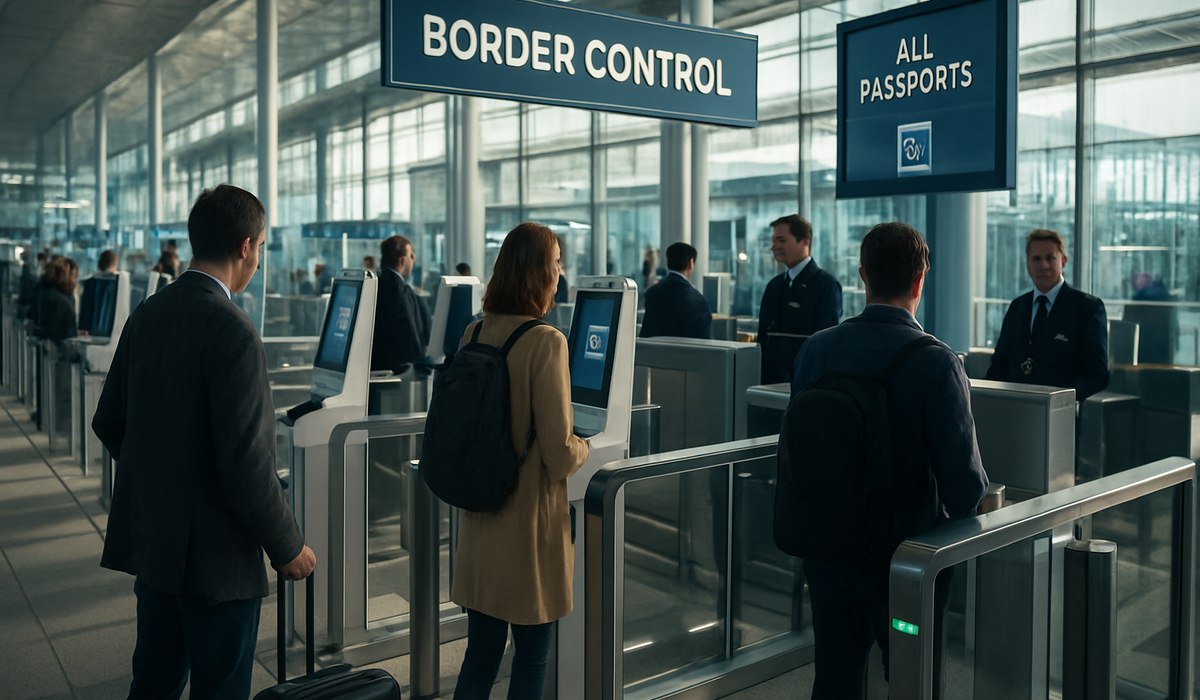
Image generated by AI
France Fully Activates EES: Europe's Digital Border Revolution Underway
France has officially activated the European Union's Entry/Exit System (EES), marking a watershed moment in continental border management. The nation joins Germany, Italy, Norway, Poland, Portugal, and Denmark in rolling out biometric screening for non-EU travelers crossing Schengen external borders. This decisive shift away from manual passport stamping represents the largest overhaul of European border procedures in decades, establishing critical infrastructure for the anticipated ETIAS travel authorization system launching by year-end 2026.
The activation follows a phased rollout that began in October 2025 across 29 participating Schengen member states, with full operationalization targeted for April 10, 2026. For the 1.8 billion annual travelers navigating European airports and land crossings, this technological transformation promises faster processing, enhanced security screening, and stricter overstay detection—though transition periods may bring temporary delays at peak border crossings.
France Joins Early Adopters in Digital Border Transformation
France's decision to fully activate EES positions it among vanguard European nations modernizing frontier controls through technology. The French foreign affairs ministry confirmed April 10, 2026, as the official date when EES became fully operational across French air, land, and sea border crossing points.
This coordinated rollout reflects broader EU strategy to create a unified, data-driven approach to Schengen border management. The progressive adoption pattern—beginning with technologically advanced nations like Germany and Portugal—allows the European Commission to monitor implementation challenges and refine procedures before universal activation across all 29 participating states.
EES fundamentally changes how border authorities track third-country nationals entering and exiting the Schengen zone. Rather than isolated, country-level records, participating nations now share real-time entry and exit data through a centralized EU database. This interconnected approach enables authorities to detect travelers exceeding the 90-day-in-180-days Schengen rule across multiple member states simultaneously, closing informational gaps that previously allowed strategic border-hopping among less-vigilant entry points.
Tourism organizations, airport operators, and national border agencies have invested substantially in public education campaigns explaining EES procedures to both domestic staff and incoming travelers. Official EU communications platforms provide multilingual guidance on biometric enrollment processes and expected wait times during initial deployment phases.
How EES Works: Biometric Checks Replace Manual Passport Stamping
The Entry/Exit System replaces traditional ink-stamp border procedures with automated biometric data collection and storage. Upon first entry to France or any EES-participating nation after activation, non-EU visitors undergo standardized biometric registration capturing facial photographs and fingerprint scans alongside passport information.
This biometric data gets stored in the centralized EES database accessible to authorized border personnel across all Schengen states. Subsequent crossings leverage stored biometric profiles for expedited verification, reducing processing time and eliminating manual stamp documentation errors that historically plagued border administration.
The system calculates remaining Schengen short-stay allowances automatically. Travelers can quickly determine how many days remain under the standard 90-in-180 rule without manual counting or ambassador consultation. Border officers gain instant visibility into individual overstay risks and repeated violation patterns, enabling proactive enforcement before travelers leave European territory.
Dedicated EES kiosks and automated gates at major crossing points streamline the enrollment experience. Travelers follow on-screen instructions in multiple languages, submit biometric samples, and receive confirmation—typically completing the process within five minutes under normal operating conditions. During peak travel periods, member states have implemented extended operating hours and additional staffing to manage queue volumes.
For practical implementation details, the European Commission's official ETIAS and border management pages provide comprehensive procedural guidance and current operational status updates at all major European border crossings.
Timeline and Implementation: Full Operationalization by April 2026
The EES deployment followed a deliberately staged schedule reflecting the complexity of integrating 29 nations' border infrastructure. October 2025 marked initial activation at selected border crossing points in early-adopter countries, with progressive expansion continuing through early 2026.
April 10, 2026, represents the official deadline for comprehensive EES operationalization across all Schengen external borders, including France's airports, land crossings at German and Swiss borders, and Mediterranean maritime entry points. The European Commission designated this date as full-go-live for mandatory biometric collection from all non-EU third-country nationals.
France's activation aligns with the broader timeline establishing EES infrastructure before ETIAS launch in the final quarter of 2026. Both systems depend on interconnected databases and interoperable technologies, making sequential deployment essential for operational stability.
Border authorities acknowledged transition challenges would likely emerge during initial weeks and months of full operation. Peak travel periods—summer vacation season, holiday travel windows, and major event-related movement—may experience temporary processing delays as staff gain proficiency with new systems and travelers adapt to revised border procedures. Member states implemented contingency staffing plans and public communication strategies designed to minimize disruption.
The operational timeline also accommodates security audits, system performance testing, and real-time troubleshooting before full ETIAS integration. By activating EES several months ahead of ETIAS launch, European authorities built buffer capacity to address technical issues, refine procedures, and train personnel comprehensively.
What Travelers Need to Know About EES Registration
Non-EU visitors entering France or other Schengen nations after EES activation encounter straightforward but mandatory biometric enrollment procedures. First-time registrants should plan for additional processing time—typically five to fifteen minutes depending on queue volumes—at dedicated EES enrollment stations.
Required biometric samples include facial photograph and fingerprint scans, which get compared against international databases and stored for future Schengen entries. Travelers should expect this process at all major airports, land border crossings, and seaport entry points. Participation is mandatory for accessing Schengen nations; travelers cannot opt out or provide alternative identification methods.
Once enrolled, subsequent Schengen entries leverage stored biometric profiles for rapid verification. Repeat travelers often experience noticeably faster processing as border officers confirm identity through biometric comparison rather than extensive document review. The system accommodates children, elderly travelers, and individuals with documented biometric challenges through alternative verification procedures administered on case-by-case basis.
France fully activates EES comprehensive data protection protocols meeting EU privacy standards and GDPR compliance requirements. Biometric data remains encrypted, accessible solely to authorized border personnel, and subject to strict retention limitations. Travelers retain rights to request data deletion and challenge information accuracy through established EU data protection complaint procedures.
Travel insurance policies and immigration guidance resources increasingly address EES-related preparation recommendations. Nomad Lawyer's comprehensive EU travel guides offer updated border procedure information and immigration compliance resources for international travelers planning European visits during 2026 and beyond.
Key Data Table: EES Implementation Timeline and Scope
| Metric | Details |
|---|---|
| Participating Nations | 29 Schengen member states (as of April 2026) |
| Initial Activation | October 2025 at selected early-adopter border points |
| Full Operationalization Date | April 10, 2026 across all Schengen external borders |
| Biometric Data Collected | Facial photographs, fingerprint scans, passport information |
| Processing Time per Traveler | 5-15 minutes (first enrollment); <2 minutes (repeat entries) |
| Covered Entry Points | Airports, land borders, maritime ports, rail crossings |
| ETIAS Launch Alignment | Q4 2026 (post-EES stabilization) |
| Schengen Short-Stay Rule | 90 days in any 180-day rolling period (automated tracking) |
| Data Retention Period | 3 years from last Schengen entry or until passport expiration |
| **Estimated Annual |
Disclaimer
This article is for informational and educational purposes only. It does not constitute legal, financial, or professional advice. While we strive to provide accurate and up-to-date information, travel policies, regulations, and conditions change rapidly. Always verify information with official sources before making travel decisions. Nomad Lawyer makes no representations about the accuracy, reliability, completeness, or suitability of the information provided. Readers should consult qualified professionals for advice specific to their circumstances. The views expressed in this article are those of the author and do not necessarily reflect the views of Nomad Lawyer.
Kunal K Choudhary
Co-Founder & Contributor
A passionate traveller and tech enthusiast. Kunal contributes to the vision and growth of Nomad Lawyer, bringing fresh perspectives and driving the community forward.
Learn more about our team →