
France and England Redefine Luxury Travel as Hotel Barge Cruises Bypass 2026 European Drought
As severe droughts impact major river cruises, luxury hotel barges in France, England, and Italy emerge as the resilient alternative for slow travel enthusiasts in 2026.

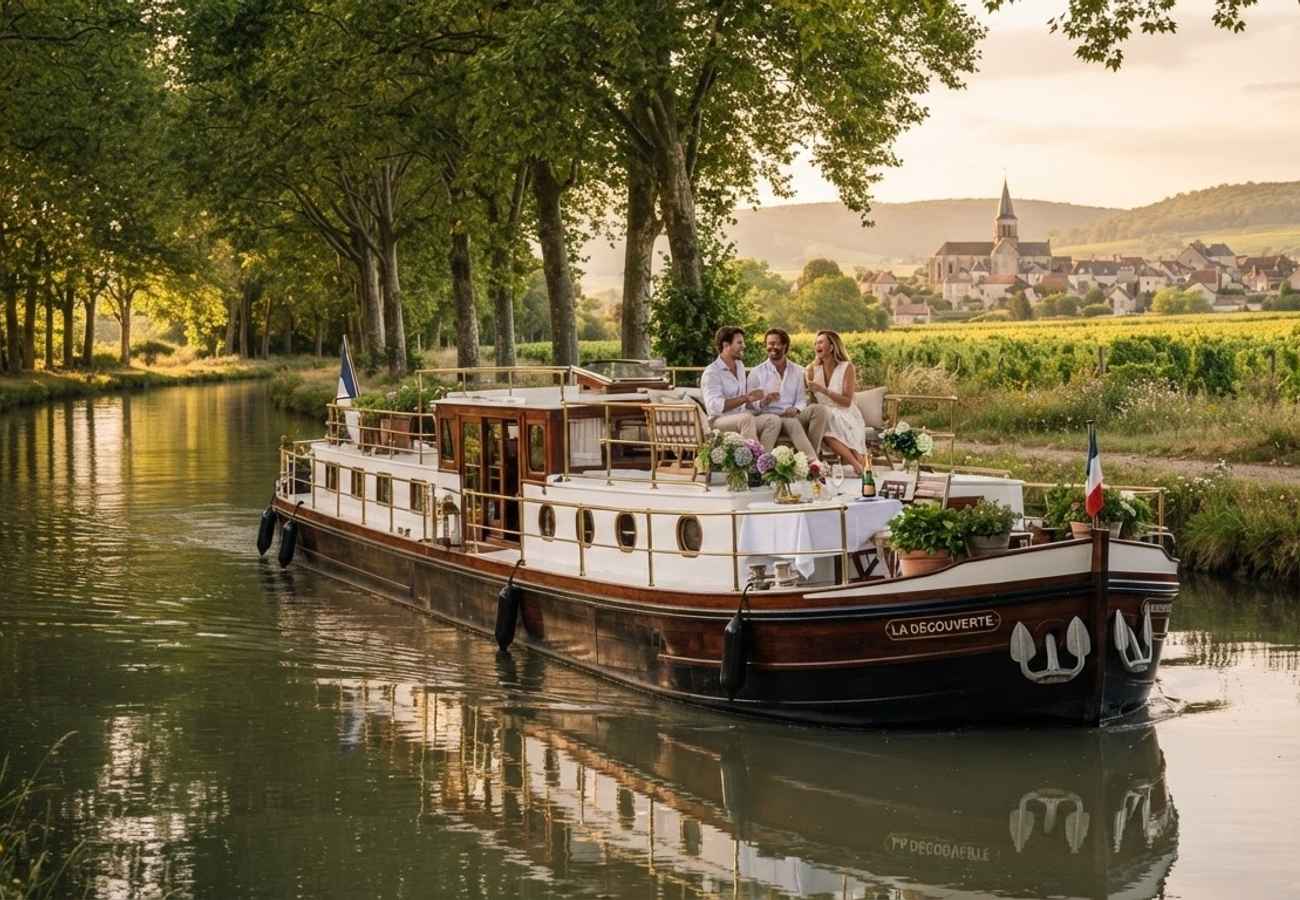
Image generated by AI
While traditional river cruises face cancellations due to critical water levels, luxury hotel barges are maintaining full summer programs across France, England, and Italy, proving that smaller vessels are the most resilient choice for 2026 waterway travel.
The Shift Toward Resilient Slow Travel
Europe is currently navigating a severe hydrological crisis. According to the European Commission’s Joint Research Centre report from August 12, drought has plagued vast regions of the continent since spring, with heatwave risks extending into September. The European Drought Observatory confirmed that by late July, water levels remained at critical lows across Italy, the Balkans, and central and western Europe.
In the United Kingdom, the situation is equally stark. On July 29, the UK government declared drought across seven areas of England. Data reveals that July rainfall plummeted to just 7% of its long-term average, leaving 78% of England’s rivers below normal levels. Specifically, the Thames at Reading and the River Cam at Dernford have tracked their lowest recorded flows for this period, while national reservoir storage dropped to 72%—approximately 9.5% below the long-term average.
Despite these extremes, a new trend in "slow travel" is thriving. Luxury hotel barges are emerging as the primary alternative to massive river cruise ships. Because canals are managed via reservoirs and water-control infrastructure, they offer a stability that free-flowing rivers cannot.
Why Small-Scale Barges Outperform Large Ships
The operational model of the hotel barge is the key to its survival during the 2026 drought. Unlike deep-draft cruise ships, these vessels carry a maximum of 20 passengers, travel shorter distances, and do not operate at night.
European Waterways has reported that its full summer program remains intact, with only four vessels requiring itinerary adjustments. While Burgundy has seen some proactive shifts—moving vessels to nearby waterways within approximately 50 kilometers of original routes—cruises in Scotland, Ireland, England, and Italy remain entirely unaffected.
For the visitor, the real impact is a more intimate, flexible experience. Because these barges can navigate shallower, narrower waterways inaccessible to larger ships, the risk of total cancellation is nearly nonexistent.
Regional Highlights for the 2026 Season
France: The Epicenter of Canal Luxury
France remains the gold standard for barge travel. Burgundy Tourism notes that the region boasts nearly 1,200 kilometers of waterways. Travelers can navigate the Burgundy Canal, Canal du Centre, Nivernais Canal, and Yonne on vessels accommodating 6 to 24 guests.
Further south, the Canal du Midi—a UNESCO World Heritage Site—offers a blend of gastronomy and heritage. In areas like Capestang and Saint-Chinian, barges feature high-end amenities including private bathrooms, deck dining, and Jacuzzis. For those seeking urban integration, the Saint-Martin Canal provides a unique waterway experience directly within Paris, while the Marne route links the capital to the Champagne region.
Scotland: The Hike-and-Barge Hybrid
In a shift toward active tourism, VisitScotland is promoting a hybrid model on the Caledonian, Crinan, Forth & Clyde, and Union canals. The Great Glen Way experience is particularly notable, covering a 75-mile stretch from Fort William to Inverness. Here, the barge serves as a floating hotel, providing six nights of accommodation while guests complete daily walking stages along the shore.
Visitor Insider Tips
To maximize a canal holiday during the current climate volatility, keep these local insights in mind:
- The "Repositioning" Window: If your vessel is moved due to water levels (common in Burgundy), don't panic. Most key excursions are retained. Ask your captain for "off-route" village stops that aren't on the standard brochure; these are often the most authentic gems.
- Booking Windows: For the most exclusive barges (those that can be booked privately for families), book at least 12 months in advance.
- Cultural Etiquette: When visiting small villages along the Canal du Midi, remember that these are living communities, not museums. Support the local economy by purchasing produce directly from village markets rather than relying solely on onboard catering.
- Packing for "Slow Travel": Because barges move slowly and stop frequently, prioritize breathable, layered clothing and high-quality walking shoes for spontaneous shore excursions.
Tourism Outlook
The 2026 drought is accelerating a permanent shift in European tourism. The industry is moving away from "mass-market" river cruising toward low-impact, high-value experiences. By utilizing smaller vessels and managed canals, operators are reducing the environmental strain on natural river systems while providing a more authentic connection to regional heritage.
As sustainable travel becomes a priority, the hotel barge model—which supports local vineyards, artisans, and small-town bistros—is positioned to become the dominant form of luxury waterway travel in Europe.
Slow travel isn't just a pace; it's a strategy for survival in a changing climate.
Related Travel Guides
Disclaimer
This article is for informational and educational purposes only. It does not constitute legal, financial, or professional advice. While we strive to provide accurate and up-to-date information, travel policies, regulations, and conditions change rapidly. Always verify information with official sources before making travel decisions. Nomad Lawyer makes no representations about the accuracy, reliability, completeness, or suitability of the information provided. Readers should consult qualified professionals for advice specific to their circumstances. The views expressed in this article are those of the author and do not necessarily reflect the views of Nomad Lawyer.
Raushan Kumar
Founder & Lead Developer
Full-stack developer with 11+ years of experience and a passionate traveller. Raushan built Nomad Lawyer from the ground up with a vision to create the best travel and law experience on the web.
Learn more about our team →