
Four Seasons Maui at Wailea Opens Uluhaimalama Royal Garden Honoring Queen Liliʻuokalani in 2026
The Four Seasons Maui at Wailea has unveiled Uluhaimalama, a botanical sanctuary and royal tribute dedicated to the legacy of Queen Liliʻuokalani.

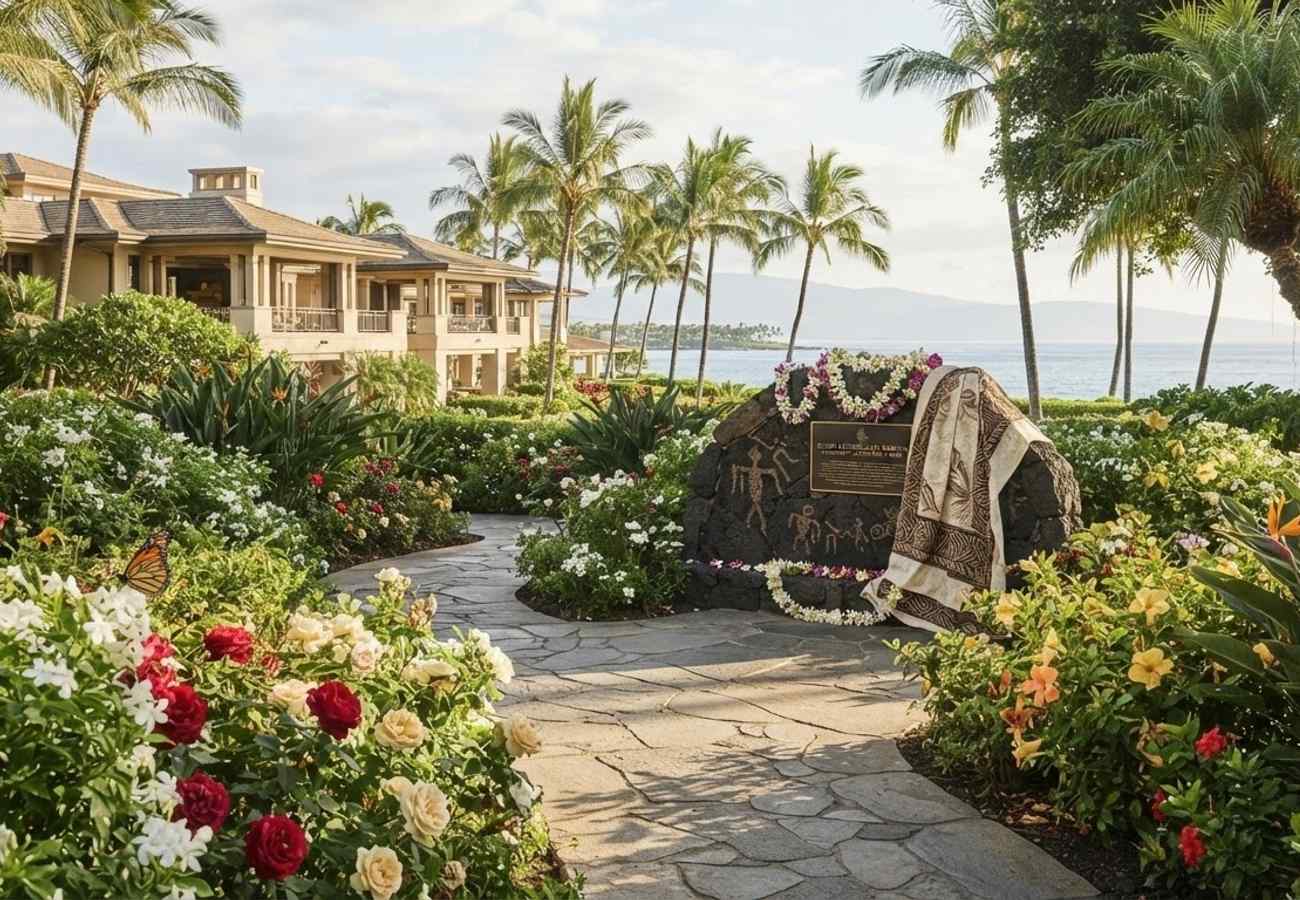
Image generated by AI
A new botanical sanctuary at the Four Seasons Maui at Wailea is bringing the history of Hawaiʻi’s final reigning monarch to life through a dedicated royal tribute known as Uluhaimalama. This cultural installation transforms the resort's interior courtyard into an emotional journey of resilience, blending traditional horticulture with royal genealogy.
The project serves as a permanent monument to Queen Liliʻuokalani, designed to offer visitors a space for quiet contemplation and historical education. By integrating the wisdom of local kumu (teachers) and cultural practitioners, the resort has created a living narrative that connects modern luxury hospitality with the enduring spirit of the Hawaiian monarchy.
Botanical Design Rooted in Royal Tradition
The transformation of the interior courtyard into The Queen’s Garden: Uluhaimalama was not a mere landscaping project but a curated effort guided by the manaʻo (wisdom) of esteemed cultural experts. The sanctuary is designed to function as a living monument where the physical beauty of the plants mirrors the historical weight of the Queen's life.
Central to the garden's authenticity is the deep connection to the ʻāina (land). Every element of the layout reflects a commitment to honoring the Queen Liliʻuokalani legacy, ensuring that guests do not simply view a garden, but experience a curated piece of Hawaiian history. This approach shifts the resort experience from passive leisure to active cultural engagement.
Educational Narratives Led by Local Voices
To ensure the history is conveyed accurately, the sanctuary features six self-guided educational stations. These points of interest allow guests to move through the garden at their own pace while absorbing specific historical lessons delivered by prominent Hawaiian voices.
The journey begins with an introduction by Aunty Mopsie Tuivaioge, the Director of Hawaiian Programs, who frames the experience around the monarch’s aloha and her unwavering devotion to her people. Following this, Kumu Hula Cody Pueo Pata explains the traditional ahupuaʻa system—the ancestral Hawaiian land management model that links the mountains to the sea, emphasizing the interconnectedness of nature and community.
One of the most poignant sections of the tour is guided by the words of Kumu Hula Hokulani Holt. This station recounts the Queen's courageous and strategic decision to yield her authority under protest to avoid bloodshed, a pivotal moment that preceded her eventual imprisonment at ʻIolani Palace.
Preserving the Queen Liliʻuokalani Legacy via Flora
The botanical selection within the garden is a deliberate act of historical preservation. Uncle Kevin Gavagan, the Director of Landscaping at the Four Seasons Maui at Wailea, curated a collection of plants that were personally cherished by the Queen.
The garden features a fragrant array of:
- Crown flowers
- Roses
- Pikake
- Puakenikeni
Beyond the aesthetic appeal, the garden maintains a biological link to the past. Cuttings from the original Uluhaimalama garden, established on Oʻahu in 1894, were gifted to the resort. In a gesture of cultural alignment, these cuttings were planted under a full moon, replicating the exact conditions the Queen orchestrated for her original garden's opening. This ensures that the physical DNA of the monarch's original sanctuary continues to thrive on Maui.
Puʻuwaikilanuiokalani: A Dedicated Space for Hula
At the center of the installation is the pā noa, a dedicated space for cultural practice named Puʻuwaikilanuiokalani, which translates to “courageous heart of the heavenly one.” This area is unique, as it is the only space of its kind featured within a resort on the island of Maui.
Introduced by Kumu Hula Kamaka Kūkona, the pā noa is specifically dedicated to the art of hula. In Hawaiian culture, hula is far more than a dance; it is a critical method of storytelling used to preserve genealogy and history across generations. By providing a formal venue for these gatherings, the resort celebrates the Queen's own history as a prolific composer and ensures that the tradition of movement-based storytelling remains a living practice.
Stewardship and Community Integration in Honuaʻula
The development of The Queen’s Garden represents a shift toward more thoughtful stewardship of land within the luxury sector. The landscaping acknowledges the historical life-giving springs, streams, and fishponds that once sustained the local communities of the Honuaʻula moku (district).
This integration of native species from the surrounding district alongside royal blooms creates a bridge between the agricultural history of the region and the royal history of the monarchy. The project was the result of years of collaborative planning between horticultural teams and cultural leaders to ensure the vision was executed in complete harmony.
Resort officials have emphasized that the garden is open not only to hotel guests but also to the local community. This openness transforms the property into a site of shared heritage, where the story of the Queen continues to grow through those who visit and honor her memory.
Why This Matters: The Shift Toward Ethical Luxury
For the modern traveler, the opening of Uluhaimalama signifies a move away from "performative" culture toward "authentic" preservation. Often, luxury resorts include cultural elements as mere decor; however, by utilizing actual cuttings from the 1894 Oʻahu garden and employing local kumu to script the educational experience, the Four Seasons Maui at Wailea is practicing a form of historical stewardship.
From a visitor's perspective, this means a vacation in Maui now includes an opportunity for genuine education on the political and emotional complexities of the Hawaiian monarchy. The inclusion of the pā noa for hula practices ensures that the resort is not just a place of consumption, but a place of cultural production and preservation. For those seeking depth beyond the beach, this botanical sanctuary provides a tangible link to the resilience of the Hawaiian people.
A harmonious blend of nature and nobility, Uluhaimalama stands as a testament to a legacy that refuses to be forgotten.
Related Travel Guides
Disclaimer
This article is for informational and educational purposes only. It does not constitute legal, financial, or professional advice. While we strive to provide accurate and up-to-date information, travel policies, regulations, and conditions change rapidly. Always verify information with official sources before making travel decisions. Nomad Lawyer makes no representations about the accuracy, reliability, completeness, or suitability of the information provided. Readers should consult qualified professionals for advice specific to their circumstances. The views expressed in this article are those of the author and do not necessarily reflect the views of Nomad Lawyer.
Preeti Gunjan
Contributor & Community Manager
A passionate traveller and community builder. Preeti helps grow the Nomad Lawyer community, fostering engagement and bringing the reader experience to life.
Learn more about our team →