
Force Pilots Highest Paid Ranks in 2026: US Air Force Salary Breakdown
US Air Force pilots earn less than commercial counterparts, but senior officers still command six-figure salaries in 2026. Discover rank-based compensation for military aviators flying elite jets.

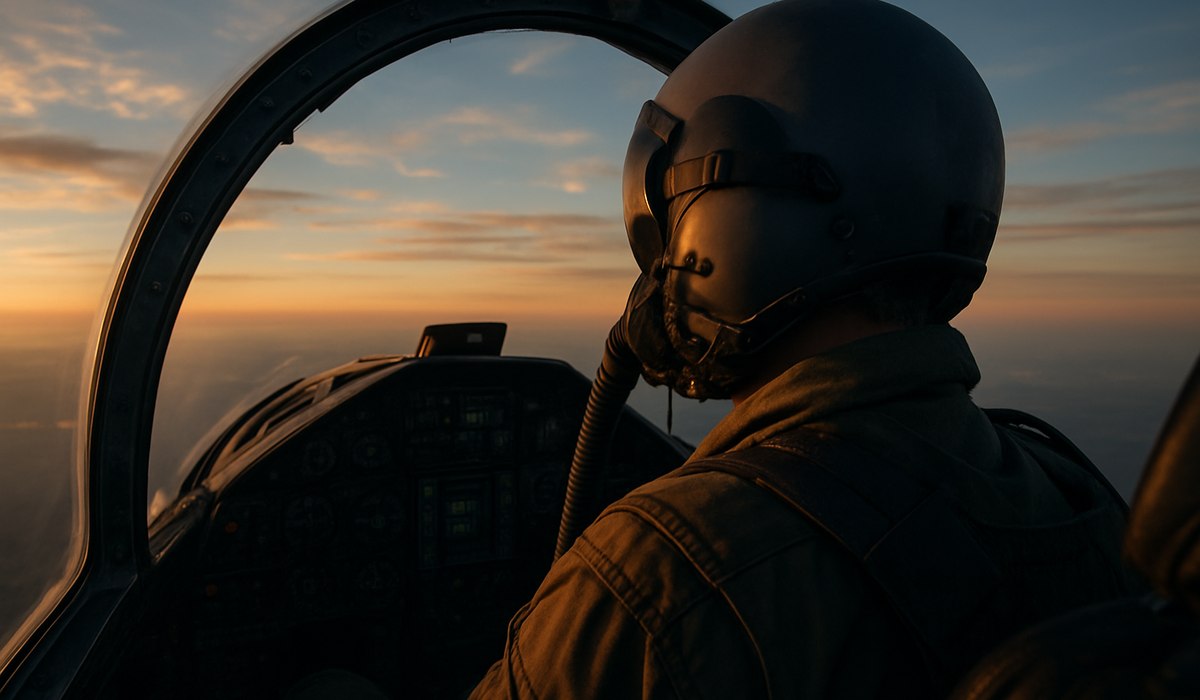
Image generated by AI
High-Ranking US Air Force Pilots Command Impressive Military Salaries Despite Commercial Pay Gap
The highest-paid US Air Force pilots earn significantly less than their commercial airline counterparts, yet senior officers still pull six-figure compensation packages while commanding some of the world's most advanced military aircraft. This 2026 reality reflects a critical disparity in aviation compensation between the private and public sectors. While commercial carriers aggressively recruit experienced aviators with substantial financial incentives, the US military prioritizes service-oriented compensation structures that reward rank and tenure over market demand. Despite this compensation gap, many pilots choose military service for unique career rewards, including access to cutting-edge technology, global deployment opportunities, and unparalleled flight experiences unavailable in civilian aviation.
Comparing Military vs. Commercial Pilot Salaries
The earnings divide between military and commercial aviation has widened considerably in recent years. A first officer at a major US airline typically earns $55,000 to $75,000 annually, while captains command $150,000 to $250,000 yearly. Conversely, force pilots highest-paid ranks in the Air Force max out significantly lower than top commercial captains, though specific figures vary by rank, time-in-service, and specialty certifications.
The US Department of Defense publishes standardized pay scales that apply uniformly across officer ranks. These structures emphasize consistency and equity over market competition. Commercial operators, however, negotiate aggressively during pilot shortages, offering signing bonuses, housing allowances, and accelerated promotion timelines. According to the FAA's aviation workforce analysis, the commercial pilot shortage in 2026 has intensified salary competition, pushing major carriers to offer benefits exceeding $300,000 annually for experienced captains at premium airlines.
Military service branches offset lower base salaries through comprehensive benefits packages, including lifetime healthcare, pension eligibility after 20 years, and educational advancement opportunities. These indirect compensation components significantly improve total career earnings when evaluated over a pilot's full service life.
Highest Paid Ranks in the US Air Force
Force pilots highest compensation correlates directly with military rank and years of service. General officers (four-star) serving as commanders earn approximately $220,000 to $240,000 annually, plus housing and meals allowances. Colonel-rank pilots (O-6) earn between $160,000 and $180,000 yearly. These upper-echelon officers typically pilot advanced aircraft including F-35 Lightning II fighter jets, B-2 Spirit stealth bombers, and KC-135 Stratotanker refueling aircraft.
Lieutenant Colonel pilots (O-5) earn $130,000 to $155,000 annually and often command fighter squadrons. Major rank pilots (O-4) receive $110,000 to $135,000 yearly and frequently lead combat missions. Captain rank (O-3) aviators earn $85,000 to $110,000, representing entry-level pilot officers post-training completion. First Lieutenant (O-2) and Second Lieutenant (O-1) ranks earn below $70,000, with base salaries starting near $40,000 for newly commissioned officers.
These figures fluctuate based on pilot specialty ratings, hazard pay eligibility for combat zones, and additional flying pay bonuses that typically add $150 to $250 monthly. Pilots with advanced certifications in drone operations or test pilot programs may qualify for supplementary compensation structures not reflected in standard rank-based pay tables.
The Trade-Off: Prestige and Unique Aircraft Over Paychecks
Military aviators accept lower salaries in exchange for extraordinary career opportunities unavailable in commercial aviation. Force pilots highest-rank officers gain access to aircraft representing decades of aeronautical engineering investment and cutting-edge defense technology. F-22 Raptor pilots, for instance, command aircraft costing $412 million each, featuring advanced stealth capabilities and supersonic performance.
The prestige factor attracts ambitious aviators who prioritize skill development over maximum earnings. Military pilots receive comprehensive training valued at $11 million per fighter pilot, including flight instruction, combat scenarios, and advanced weapon systems operation. Commercial airlines rarely provide equivalent educational investments to individual pilots.
Deployment opportunities distinguish military service significantly. Air Force pilots may operate from bases worldwide, rotating through strategic locations in Europe, the Pacific, and the Middle East. This global engagement provides unmatched geopolitical exposure and cultural immersion. Commercial pilots typically operate repetitive routes, often completing identical circuits throughout their careers. Military pilots develop operational expertise spanning diverse terrain, international airspace protocols, and emergency procedures commercial operators encounter rarely.
Leadership advancement in the military follows structured career paths with clear promotion timelines. Successful officers reach colonel rank commanding wings of 3,000+ personnel and multi-billion-dollar aircraft fleets. Commercial aviation leadership, conversely, concentrates at major carrier headquarters, with limited pathway opportunities for frontline pilots seeking management progression.
Career Rewards Beyond Base Salary
Comprehensive benefits substantially enhance total military compensation packages. The Department of Defense provides healthcare coverage for active-duty pilots and their families, eliminating expenses commercial pilots typically bear independently. Dental, vision, and mental health services receive full coverage, representing approximately $15,000 in annual value.
Pension systems rank among military service's most valuable benefits. Air Force pilots become eligible for retired pay after 20 years of service, receiving 50% of final average salary as lifetime annuities. Twenty-five-year retirees collect 62.5% of final salary indefinitely. This structure creates substantial long-term wealth accumulation, particularly for senior officers retiring at 45 years old with Colonel-rank compensation levels.
Housing allowances (BAH) provide tax-free compensation ranging from $1,200 to $2,500 monthly, depending on duty station location and family status. Food allowances (BAS) offer additional tax-free monthly benefits. When combined, these allowances can add $25,000 to $35,000 annually to base salary figures.
Educational benefits extend beyond flight training. The GI Bill provides $33,000 in higher education funding post-service. Military Spouse Career Advancement Accounts offer professional development funds, and dependent college grants supplement family education planning. These accumulated benefits significantly enhance lifetime career value when compared against commercial aviation's limited educational support structures.
Traveler Action Checklist
Understanding military-commercial aviation distinctions helps travelers make informed decisions about aircraft selection and career choices:
-
Research pilot qualifications when booking flights—both military and commercial pilots undergo rigorous certification through the FAA, ensuring safety standards across all aircraft types.
-
Verify airline credentials on FlightAware before booking, cross-referencing aircraft registration and pilot certifications.
-
Review passenger rights through the US Department of Transportation to understand compensation entitlements during disruptions.
-
Compare benefits packages when evaluating career paths in aviation, including healthcare, retirement planning, and educational advancement opportunities.
-
Track flight operations using real-time monitoring tools to understand how military and commercial routes operate simultaneously across US airspace.
-
Document booking confirmation details including pilot names, aircraft registration numbers, and departure times for reference during travel disputes.
Key Data: US Air Force Pilot Compensation Structure 2026
| Rank | Annual Base Salary | Time-in-Service (Years) | Housing Allowance | Flight Pay Bonus | Total Approximate |
|---|---|---|---|---|---|
| General (O-10) | $220,000–$240,000 | 25+ | $2,400 | $250 | $241,000–$260,000 |
| Colonel (O-6) | $160,000–$180,000 | 20+ | $2,200 | $220 | $183,000–$202,000 |
Disclaimer
This article is for informational and educational purposes only. It does not constitute legal, financial, or professional advice. While we strive to provide accurate and up-to-date information, travel policies, regulations, and conditions change rapidly. Always verify information with official sources before making travel decisions. Nomad Lawyer makes no representations about the accuracy, reliability, completeness, or suitability of the information provided. Readers should consult qualified professionals for advice specific to their circumstances. The views expressed in this article are those of the author and do not necessarily reflect the views of Nomad Lawyer.
Preeti Gunjan
Contributor & Community Manager
A passionate traveller and community builder. Preeti helps grow the Nomad Lawyer community, fostering engagement and bringing the reader experience to life.
Learn more about our team →