
Flydubai Targets Full Network Recovery By 2026 End As Regional Travel Demand Faces Uncertainty
Flydubai Targets Full Network Recovery By 2026 End As Regional Travel Demand Faces Uncertainty

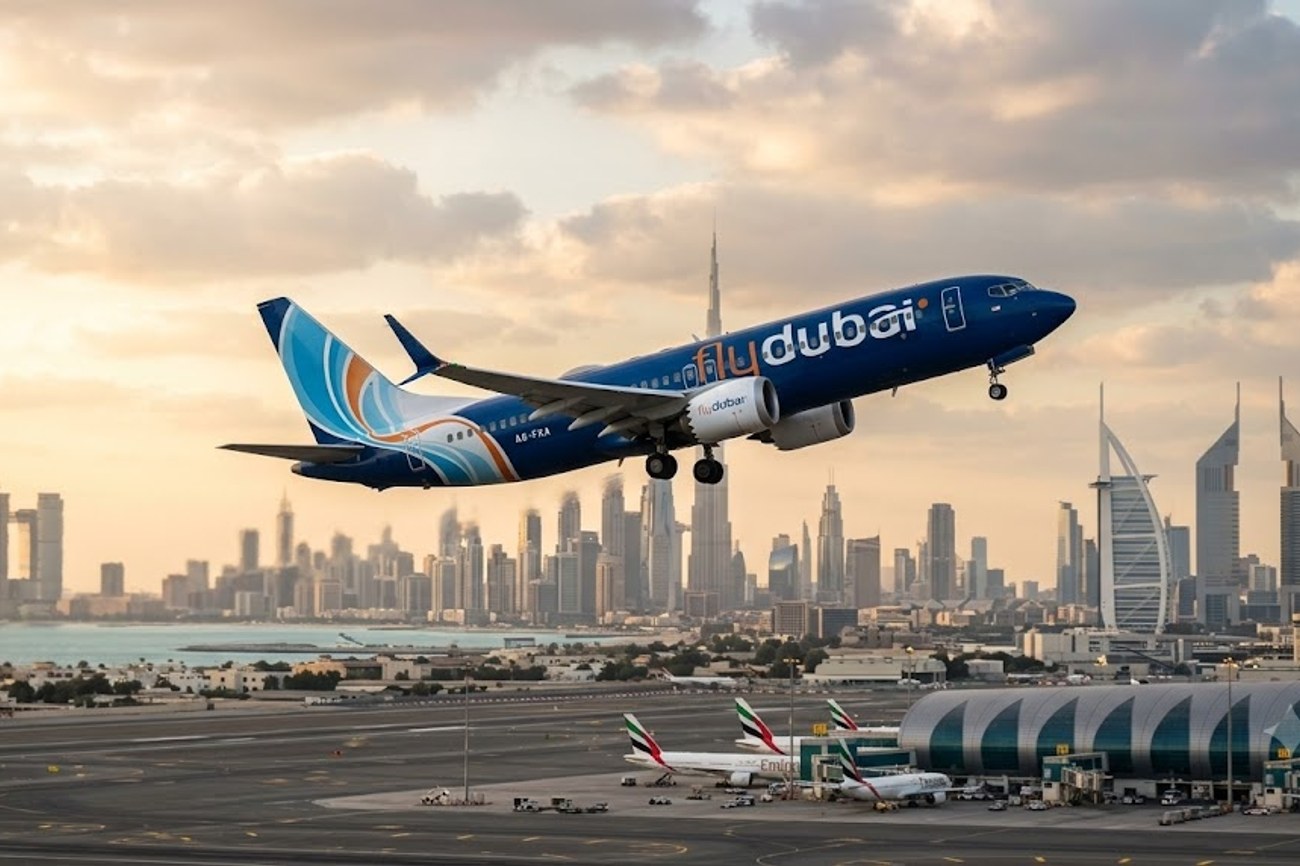
Image generated by AI
130 of 140 pre-war destinations are currently active, representing an 85 per cent network recovery for flydubai as it attempts to navigate the fallout of regional instability. This aggressive restoration effort, aimed at hitting 100 per cent capacity before the end of 2026, reveals the fragility of Middle Eastern aviation hubs when faced with geopolitical shocks. While the carrier is signaling a return to normalcy, the underlying data suggests a volatile transition period where seat availability and route frequency remain inconsistent.
The Mechanics of Regional Network Erosion
The operational contraction experienced by flydubai is not a result of market failure, but a direct consequence of regional tensions that disrupted flight paths and operational security earlier in 2026. For a carrier that serves as a critical bridge between Dubai and underserved markets in Africa, Central Asia, and Europe, any reduction in capacity creates a ripple effect across the entire connectivity ecosystem of the United Arab Emirates.
The airline's current strategy involves a two-pronged approach: restoring the physical footprint of its destination map while simultaneously managing a fleet that is under pressure from delivery delays. The reliance on a specific delivery timeline means that the 2026 target is not a static guarantee but a conditional goal. The International Air Transport Association (IATA) has frequently noted that regional volatility in the Middle East necessitates a highly flexible fleet management strategy, which is exactly what flydubai is attempting to implement here.
Capacity Deficits and Operational Benchmarks
Despite the recovery of 85 per cent of its destination list, the actual volume of seats available to the public tells a more sobering story. The gap between "destination recovery" and "capacity recovery" is where the most significant friction exists for the modern traveler.
According to data provided by OAG, flydubai experienced a sharp 18.3 per cent year-on-year decline in seat capacity when measured against the ten largest Middle East airlines. In September, the carrier's capacity sat at approximately 1.05 million seats. This discrepancy proves that while the airline may be flying to a city, it is not necessarily flying there with the same frequency or aircraft size as it did before the conflict.
| Metric | Data Point |
|---|---|
| Current Destination Reach | 130 Cities |
| Pre-Conflict Destination Reach | 140 Cities |
| Network Recovery Percentage | ~85% |
| September Seat Capacity | ~1.05 Million |
| Year-on-Year Capacity Change | -18.3% |
| Full Recovery Target Date | End of 2026 |
| Strategic Goal | 100%+ Pre-war Capacity |
Expert Analysis: The Widebody Delay and Revenue Pivot
The most critical insight for the frequent flyer and the industry analyst is the shift in flydubai's fleet evolution. The report confirms that widebody aircraft plans have been pushed back to 2028 due to systemic delays affecting Boeing deliveries. This is a pivotal setback. Widebody aircraft allow an airline to scale capacity rapidly on high-demand routes without increasing the number of takeoff and landing slots—a precious commodity at Dubai International Airport.
Because the widebody expansion is delayed, flydubai is forced to pivot toward "value extraction" rather than "volume expansion." This is evidenced by their investment in premium cabin retrofits. By upgrading the interiors of existing narrowbody aircraft, the airline is attempting to offset the 18.3 per cent capacity loss by increasing the average revenue per seat.
For travelers booking these routes, the direct consequence is a bifurcated experience: there will be more "premium" options available, but the overall number of economy seats may remain constrained until the 2026 target is met. The pricing pressure this creates means that economy fares on popular routes to Central Asia and Africa are likely to remain elevated due to the supply-demand imbalance. The airline is essentially trading mass-market volume for higher-yield premium passengers to maintain financial stability during the rebuilding phase.
Key Takeaways
- Capacity Gap: While 85 per cent of destinations have returned, seat capacity has plummeted by 18.3 per cent year-on-year, meaning fewer flights per destination.
- Fleet Constraints: Widebody aircraft integration is delayed until 2028, limiting the airline's ability to rapidly scale seat volume.
- Premium Pivot: The airline is prioritizing cabin retrofits to increase revenue from existing aircraft while waiting for new deliveries.
- Recovery Timeline: Full restoration of pre-conflict capacity is targeted for the end of 2026, contingent on external regulatory and geopolitical factors.
- Network Reach: The airline currently serves 130 destinations, with 10 remaining from its pre-war total of 140.
FAQ: flydubai Recovery 2026
Will flight prices drop once flydubai hits 100% capacity? Not necessarily. While increased seat supply usually lowers prices, the shift toward premium cabin retrofits suggests the airline is targeting higher-paying passengers. Prices will depend more on specific route demand than overall network size.
Which regions are most affected by the current capacity decline? The decline is most felt in markets across the Middle East, Africa, and Central Asia, where flydubai provides essential connectivity. Passengers on these routes should check flydubai's official site for current frequencies.
Why is the widebody aircraft delay significant for passengers? Widebody planes carry significantly more passengers per flight. The delay to 2028 means the airline must run more frequent narrowbody flights to meet demand, which can lead to more scheduling volatility and limited seat availability.
Is it safe to book flights for late 2026 now? While the airline aims for full recovery by then, CEO Ghaith Al Ghaith noted that the timeline depends on external factors. It is advisable to book flexible fares for travel in disrupted regions.
The road to 100 per cent capacity is paved with Boeing delivery delays and geopolitical volatility.
Related Travel Guides
Disclaimer
This article is for informational and educational purposes only. It does not constitute legal, financial, or professional advice. While we strive to provide accurate and up-to-date information, travel policies, regulations, and conditions change rapidly. Always verify information with official sources before making travel decisions. Nomad Lawyer makes no representations about the accuracy, reliability, completeness, or suitability of the information provided. Readers should consult qualified professionals for advice specific to their circumstances. The views expressed in this article are those of the author and do not necessarily reflect the views of Nomad Lawyer.
Naina Thakur
Contributor & Travel Specialist
Travel enthusiast and legal writer covering visa regulations, responsible tourism, and cultural journeys across global destinations.
Learn more about our team →