
Beyond Miami and Orlando: Six Coastal Towns and Wildlife Sanctuaries Redefining Florida Travel

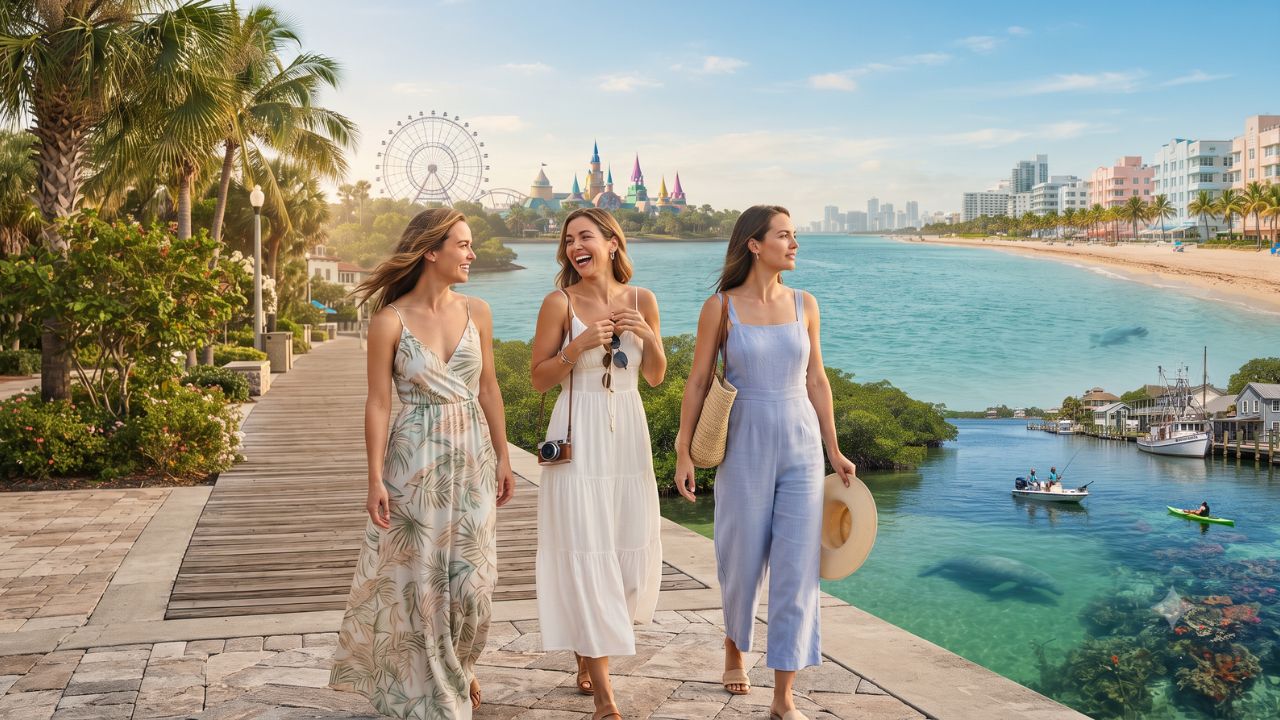
While over 143.3 million visitors arrived in Florida in 2025, nearly 60% traveled by car—and the most rewarding road trips steer far clear of interstate theme-park corridors into centuries-old fishing ports and crystal-clear freshwater spring basins. From swimming alongside hundreds of wintering manatees in Citrus County to cycling 45 miles of car-free coastal trails in Dunedin and shucking wild oysters in historic Apalachicola, Florida's smaller coastal towns provide genuine heritage and raw ecological beauty.
The Alternative Coastlines: Six Distinct Florida Escapes
According to statewide research by VISIT FLORIDA, the state’s 507,282 hotel rooms across 4,738 properties averaged a 68.1% occupancy rate in 2025 with an average daily rate of $193.69. Travelers can bypass crowded resort strips by targeting these six specialized destinations:
1. Crystal River (Citrus County / Nature Coast)
Known as the Manatee Capital of the World, Citrus County welcomed 1.7 million visitors in 2024 (1.1 million day-trippers and 565,152 overnight guests, generating $526 million in economic impact). Aerial surveys recorded 1,333 manatees seeking refuge in warm 72°F spring waters, with 1,016 gathered in Kings Bay alone. Nearby, the 61-acre Crystal River Archaeological State Park preserves pre-Columbian ceremonial shell mounds dating back 2,500 years, while the 27,500-acre Crystal River Preserve State Park protects coastal salt marshes managed by Florida State Parks.
2. Amelia Island & Fernandina Beach (Nassau County)
Drawing 1,025,500 visitors in 2024 and delivering a $949 million economic impact, Amelia Island pairs uncrowded Atlantic beaches with the 50-block historic Victorian district of Fernandina Beach. The island features 2,005 hotel rooms, over 100 independent eateries, and 130 guided nature outfitters.
3. Dunedin (Pinellas County)
A walkable Gulf Coast haven located just north of Clearwater, Dunedin is bisected by the paved 45-mile Pinellas Trail greenway. The town boasts eight independent craft breweries, one craft distillery, and passenger ferry access to the virgin slash-pine forests and pristine beaches of Honeymoon Island and Caladesi Island State Parks.
4. Apalachicola (Franklin County / Forgotten Coast)
Founded in 1831 on Apalachicola Bay, this historic seafood port anchors the UNESCO-designated Apalachicola Biosphere Region covering 1.615 million acres of land and 432,600 acres of water, supporting an authentic $16 million commercial maritime fishery documented by the National Park Service.
5. Cedar Key (Levy County)
A rustic archipelago of Gulf barrier islands where clammers, painters, and birders watch white pelicans, bald eagles, and roseate spoonbills against quiet tidal shallows.
6. Islamorada (Upper Florida Keys)
The sportfishing capital of the Keys, Islamorada centers on coral reef restoration, Windley Key Fossil Reef Geological State Park, and mangrove paddling trails along the historic Old Highway.
What Makes These Six Destinations Different
| Destination | Primary Geographic Setting | Key Ecological / Cultural Asset | Signature Local Dish or Activity |
|---|---|---|---|
| Crystal River | Natural spring-fed river basin | Kings Bay manatee sanctuary (1,000+ wintering) | Guided passive swim & Gulf redfish |
| Amelia Island | Atlantic barrier island | Fernandina Beach Victorian architecture | Wild Atlantic shrimp & maritime cycling |
| Dunedin | Sheltered Gulf of Mexico coastline | 45-mile Pinellas Trail & Honeymoon Island | Local craft IPAs & Caladesi kayak trails |
| Apalachicola | River delta & estuarine bay | 1.6M-acre UNESCO Biosphere Reserve | Fresh-shucked bay oysters & heritage walks |
| Cedar Key | Remote Gulf archipelago | Migratory shorebird nesting sanctuaries | Farm-raised clams & shallow skiff fishing |
| Islamorada | Upper coral reef island chain | Living barrier reef & mangrove channels | Blackened mahi-mahi & coral nursery tours |
Visitor Insider Tips: Mapping Your Florida Road Trip
- Time Crystal River Manatee Encounters for Winter Mornings: Plan spring swims between November and March, booking the earliest 06:30 boat departures on weekday mornings when spring waters are clearest and manatee counts peak.
- Rent a Bicycle to Explore Dunedin and the Barrier Islands: Park your vehicle at your downtown Dunedin inn and navigate the Pinellas Trail on two wheels, pedaling directly to the Honeymoon Island causeway.
- Taste Wild Oysters at Apalachicola Wharves: Visit the working oyster houses along Scipio Creek in Apalachicola, ordering fresh-shucked local oysters alongside blackened grouper sandwiches.
- Organize Your Trip by Regional Clusters: Never attempt to drive between the Panhandle and the Keys in one day. Focus either on a 4-day Nature Coast route (Crystal River + Cedar Key + Dunedin) or a 4-day Northeast route (Amelia Island + historic St. Augustine).
Cultural and Environmental Context: Estuary and Marine Conservation
These smaller communities represent Florida's front lines of ecological preservation. In Crystal River and Apalachicola, municipal survival is intertwined with freshwater spring recharge rates and delicate salinity levels in coastal bays.
When travelers adhere to passive observation rules with marine mammals, support local clam farmers in Cedar Key, and choose locally owned waterfront lodges over multinational mega-chains, their tourism spending directly finances mangrove wetland rehabilitation and historic preservation trusts.
FAQ: Visiting Florida Hidden Gems 2026
When is the best time to swim with manatees in Crystal River?
The peak season runs from November through March, when ocean temperatures drop and hundreds of manatees congregate in the constant 72°F spring waters of Kings Bay.
How do travelers reach Caladesi Island from Dunedin?
Visitors can take the passenger ferry departing every half hour from Honeymoon Island State Park or paddle a rental kayak across the sound.
What is the historic significance of Apalachicola?
Established in 1831, Apalachicola was once the third-largest cotton-shipping port on the Gulf of Mexico and remains an authentic center for maritime oyster harvesting.
How far is Amelia Island from Jacksonville International Airport (JAX)?
Amelia Island is located approximately 25 miles northeast of JAX airport, roughly a 35-minute drive via State Road A1A.
Stepping away from the highway neon reveals a Florida where clear spring waters ripple, wooden boats creak at historic wharves, and timeless coastal rhythms endure.
Related Travel Guides
Disclaimer
This article is for informational and educational purposes only. It does not constitute legal, financial, or professional advice. While we strive to provide accurate and up-to-date information, travel policies, regulations, and conditions change rapidly. Always verify information with official sources before making travel decisions. Nomad Lawyer makes no representations about the accuracy, reliability, completeness, or suitability of the information provided. Readers should consult qualified professionals for advice specific to their circumstances. The views expressed in this article are those of the author and do not necessarily reflect the views of Nomad Lawyer.
Naina Thakur
Contributor & Travel Specialist
Travel enthusiast and legal writer covering visa regulations, responsible tourism, and cultural journeys across global destinations.
Learn more about our team →