
Florida Airline Spring Break 2026: Fares Surge 18% as Gas Prices Climb
Florida airline spring fares climb 18% in March 2026 as summer travel nears. Combined with rising fuel costs, travelers face a financial squeeze during peak vacation season.

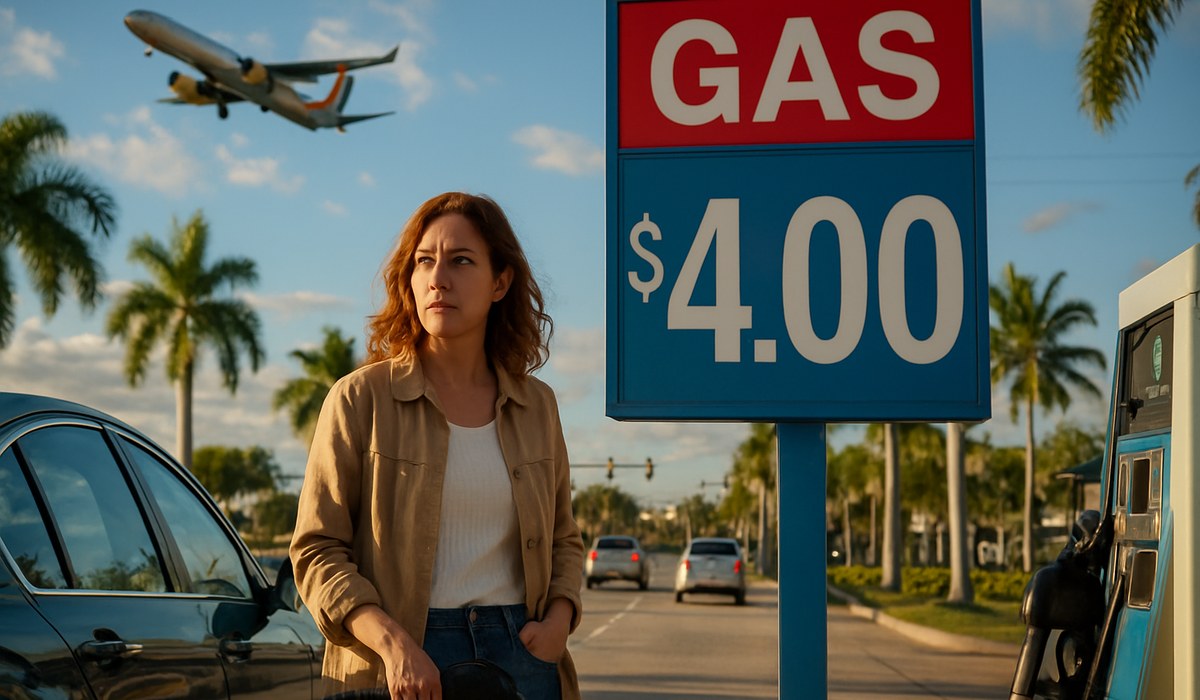
Image generated by AI
Rising Airfares Hammer Florida-Bound Travelers This Spring
Florida airline spring fares have surged 18% compared to last year, with travelers booking flights to major hubs like Fort Lauderdale (FLL), Miami (MIA), and Orlando (MCO) facing unprecedented pricing pressure. The spike arrives as spring break nears its peak, forcing families and students to absorb higher ticket costs while summer vacation planning intensifies. Airlines including Southwest Airlines, American Airlines, and Spirit Airlines have all raised base fares across Florida routes, reflecting strong demand and operational constraints.
The financial squeeze extends beyond the gate. Fuel surcharges and dynamic pricing models now apply to most domestic routes touching Florida airports. Travelers booking round-trip flights to South Florida report incremental costs of $200 to $400 per person compared to March 2025 pricing. This timing coincides with the Easter holiday and university spring schedules, compressing demand into a narrow window and benefiting carriers' revenue management teams.
Gas Prices at the Pump Add to Consumer Burden
Gasoline prices in Florida neared $4 per gallon throughout March 2026, intensifying the financial pressure on road-trippers and renters. While airfare increases target a specific booking window, fuel costs affect every leg of a vacation journey. Budget-conscious travelers considering driving versus flying now find the economics less favorable for long-distance car trips, particularly routes exceeding 600 miles.
According to AAA monitoring data, Florida gas prices ranked among the highest in the Southeast region. Rental car companies simultaneously raised daily rates by 12–15%, making self-drive alternatives increasingly expensive. This dual cost increase—airfares up 18% while fuel expenses climbed—creates what industry analysts term a "double financial hit" on spring break budgets.
Summer Airfare Forecasts Show Extended Pain Ahead
Industry pricing models indicate that airfare premiums will persist through summer 2026. Major carriers project sustained demand from school vacation periods (June through August) while seat inventory remains constrained by maintenance schedules. Early summer bookings to Florida destinations now average $520–$680 per round-trip ticket from key northern markets like New York (JFK/LGA), Boston (BOS), and Chicago (ORD).
The squeeze nears resolution only in late August, when back-to-school travel and fall pricing mechanics take hold. Travelers planning summer getaways should monitor FlightAware for historical pricing trends and set fare alerts 45–60 days before departure. Dynamic pricing algorithms reward early planners with modest discounts, though baseline fares remain elevated.
How Fuel Surcharges and Operational Costs Drive Higher Fares
Airlines justify the 18% increase through multiple cost vectors beyond fuel. Labor contracts finalized in late 2025 boosted crew expenses. Airport congestion at major Florida hubs (particularly MIA and FLL) extended ground times, raising per-flight operational costs. Additionally, maintenance reserves for aging narrow-body fleets and investment in new aircraft create capital recovery pressures that carriers pass to consumers.
While legacy carriers like American Airlines absorb some costs internally, low-cost carriers like Spirit Airlines and Frontier Airlines immediately reflect fuel and labor increases in base fares. This competitive dynamic compresses margins industry-wide, limiting price competition for budget-conscious spring break travelers. Check the IATA transparency reports for carrier-specific cost breakdowns and operational efficiency data.
Peak Travel Dates Face Maximum Pricing Pressure
Spring break travel peaks between March 21 and April 7, 2026, with the heaviest booking pressure hitting March 25–29. Flights departing Thursday through Sunday command premiums 22–35% above weekday equivalents. Airlines concentrate capacity on high-margin routes while reducing service on secondary markets, forcing some travelers onto connecting flights that increase total journey time and cost.
Families booking flights for the final week of March face the steepest prices. Shift travel by just 3–4 days into early April or depart on Tuesday mornings to capture 8–12% fare reductions. However, school schedules often lock families into peak-date travel, leaving them vulnerable to the seasonal squeeze.
| Metric | March 2025 | March 2026 | Percent Change |
|---|---|---|---|
| Average Florida round-trip fare (domestic) | $412 | $486 | +18.0% |
| Gasoline price (Florida statewide average) | $3.08/gallon | $3.97/gallon | +28.9% |
| Daily rental car rate (economy sedan) | $38 | $43.50 | +14.5% |
| Airline fuel surcharge per domestic leg | $8–$12 | $14–$18 | +50%–75% |
| Spring break booking windows (days before travel) | 35–50 days | 21–35 days | –25% compression |
| Peak-date airfare premium vs. off-peak | 18% | 28% | +10 percentage points |
What This Means for Travelers
Take these concrete actions to minimize spring break costs:
-
Book immediately for April travel — Fares for April 8–30 remain 6–9% lower than late-March pricing. Shift your vacation window if school permits.
-
Target Tuesday–Wednesday departures — Midweek flights to Florida airports cost 15–22% less than weekend equivalents during peak spring break.
-
Monitor fuel surcharge trends — Visit FlightAware's fuel cost tracker weekly. Surcharges drop when oil prices decline; wait for dips if travel timing allows.
-
Bundle car rentals with flights — Package deals from major carriers (American, United, Southwest) often yield 8–12% savings versus separate bookings. Most bundle offers update daily.
-
Consider secondary airports — Flying into Fort Myers (RSW) or Tampa (TPA) instead of Miami (MIA) cuts fares 12–18%. Ground transportation costs often offset the savings, so calculate total trip expense.
-
Set up price alerts 45 days out — Use Hopper, Google Flights, or your airline's app to track fares. Pause monitoring 3 days before departure when prices stabilize.
-
Review airline refund policies — Book refundable fares (+$35–$80) if booking more than 14 days early. The peace-of-mind margin often justifies the premium given pricing volatility.
Frequently Asked Questions
What is the current average airfare for Florida airline spring break travel in 2026? Round-trip domestic fares to major Florida airports average $486 in March 2026, up 18% from $412 in March 2025. Peak-date spring break flights (March 25–April 3) command premiums of $540–$620 per ticket. Midweek departures to Fort Lauderdale (FLL) or Tampa (TPA) average $380–$420, offering 15–22% savings versus weekend flights.
How long will the airfare squeeze persist as summer travel nears? Industry forecasts indicate elevated Florida airline spring and summer fares will persist through July 2026. Pricing typically declines only in late August when academic calendars reset. Early summer (June) bookings show minimal relief, averaging $520–$580 per round trip. Monitor carrier yield reports and fuel indices on the FAA website for real-time trend data.
Are gas prices affecting airline operational costs and ticket prices? Yes—gasoline at $3.97 per gallon in Florida (March 2026) indirectly influences airline fuel surcharges, which contribute 8–12% to total airfare cost. Additionally, higher pump prices deter road travel, concentrating passenger demand onto flights and enabling airlines to sustain premium pricing without losing volumes. The dual cost squeeze affects both driving and flying travelers simultaneously.
Should I book my summer vacation flights now or wait for prices to drop? Book now if summer travel dates are flexible. Summer airfares will not decrease materially before June. If your travel window is fixed (e.g., specific school weeks), lock in fares 45–60 days ahead and accept premium pricing. The cost of waiting typically exceeds booking-window savings, particularly for popular Florida destinations like Miami (MIA), Orlando (MCO), and Fort Lauderdale (FLL).
Related Travel Guides
- AirAsia Restores Direct Sabah-Sarawak Flights: Reconnecting Kota Kinabalu With Bintulu and Sibu This November
- Air India Deploys New Basic Economy Fare to Capture Domestic Market Amid Severe Travel Chaos and Rolling Flight Cancellations by Budget Carriers: Latest Airline News
- Lufthansa, Air France-KLM, and Air Canada Battle Surging Jet Fuel Costs with Mass Flight Cancellations, Airport Disruptions, and Global Travel Chaos: New Airline News and Aviation Updates
Disclaimer
Disclaimer
This article is for informational and educational purposes only. It does not constitute legal, financial, or professional advice. While we strive to provide accurate and up-to-date information, travel policies, regulations, and conditions change rapidly. Always verify information with official sources before making travel decisions. Nomad Lawyer makes no representations about the accuracy, reliability, completeness, or suitability of the information provided. Readers should consult qualified professionals for advice specific to their circumstances. The views expressed in this article are those of the author and do not necessarily reflect the views of Nomad Lawyer.
Kunal K Choudhary
Co-Founder & Contributor
A passionate traveller and tech enthusiast. Kunal contributes to the vision and growth of Nomad Lawyer, bringing fresh perspectives and driving the community forward.
Learn more about our team →