
Flight Chaos Hits Southeast US Hubs With 62 Cancellations, 500+ Delays
Flight chaos hits major airports across Georgia, Texas, and Florida on April 7, 2026, as Delta, United, and Spirit Airlines cancel 62 flights and delay 500+ others, stranding hundreds of travelers at critical southeastern hubs.

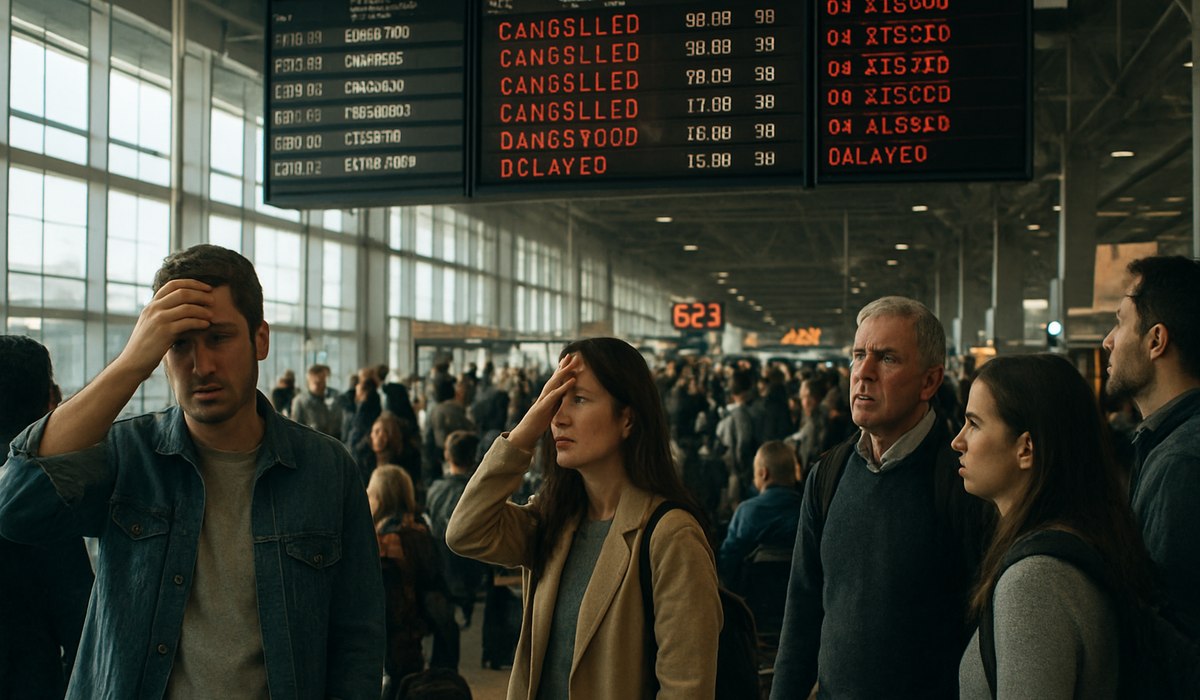
Image generated by AI
Breaking: Hundreds Stranded as Flight Chaos Hits Southeast Airports
Flight chaos hits major transportation hubs across Georgia, Texas, and Florida today, with 62 confirmed cancellations and over 500 delays cascading through the region's busiest airports. Delta Air Lines, United Airlines, and Spirit Airlines are among carriers managing widespread operational disruptions affecting hundreds of travelers on April 7, 2026. The cascading failures stem from crew positioning issues, weather impacts, and congestion at critical connecting points, creating knock-on delays stretching into the evening hours.
Where Disruptions Are Hitting Hardest
Flight chaos hits with maximum intensity at four major southeastern gateways today. Hartsfield-Jackson Atlanta International Airport, Delta's primary hub, is experiencing the sharpest concentration of cancellations and extended delays. Flights are being pushed deep into evening departure windows, with some passengers facing rebooking windows extending into the following day.
Dallas-Fort Worth International and Houston Intercontinental are under tremendous pressure as United Airlines manages aircraft and crew out of position from earlier rolling delays. Real-time data from FlightAware shows one- to three-hour delays propagating throughout both Texas hubs, with cascading missed connections impacting downstream flights across the nation.
Fort Lauderdale, Miami, and Orlando are particularly vulnerable due to Spirit Airlines' operational concentration in these Florida gateways. High leisure demand combined with minimal schedule slack means even modest cancellation waves eliminate same-day alternatives for point-to-point passengers.
Atlanta Hub Under Strain
Hartsfield-Jackson Atlanta International experiences the most acute pressure from today's disruption. As the world's busiest airport by passenger volume and Delta's primary hub, Atlanta serves as a critical connection point for domestic and international itineraries. When departures back up at this scale, ripple effects multiply across the entire national network.
Current patterns show schedule strain concentrated around peak travel times, reminiscent of previous disruption episodes when Atlanta has absorbed hundreds of same-day cancellations during converging operational crises. The hub's role as a major connection point means that delayed arrivals directly reduce connection windows for onward passengers, forcing cascade rebooking across the system.
Passengers transiting Atlanta face heightened risk, particularly those with tight connections or evening departures. The airport's congestion limits available gates and ground crews, extending both aircraft servicing times and passenger processing delays.
Texas Operations Pressured by Crew Issues
United Airlines and regional carriers operating in Texas face acute crew positioning challenges following earlier rolling delays that pushed personnel past duty limits. Aircraft and crews are out of position across Dallas-Fort Worth and Houston Intercontinental, forcing operational adjustments that compress available departure slots.
Flight tracking data reveals systematic one- to three-hour delays at both major Texas hubs, with the pressure extending through secondary airports. The challenge intensifies because crews have legal duty-time limitations—once fatigued, they cannot legally operate flights, creating dead time that cannot be recovered through accelerated scheduling.
This crew imbalance is particularly acute on regional and shorter-haul routes feeding the major hubs, where staffing has remained tight throughout the 2026 travel season. Without spare crews positioned strategically, airlines cannot quickly recover when unexpected delays occur.
Florida's Low-Cost Carrier Challenge
Spirit Airlines' operational model creates unique vulnerability during disruption events. The carrier relies on high aircraft utilization and quick turnarounds at sunbelt airports, meaning even modest constraints at maintenance or crew bases propagate systemwide with minimal flexibility to absorb delays.
Many Spirit routes operate once daily or only a few times weekly from Florida airports. When a single flight cancels, passengers on point-to-point routes face dramatically limited same-day alternatives compared to passengers on traditional full-service carriers with multiple daily flights on the same route.
Leisure travelers heading to or from Florida report receiving multi-day rebooking windows when capacity constraints prevent same-day alternatives. Families with cruise departures, event commitments, or international onward connections face heightened risk of missing those downstream obligations.
Understanding Root Causes Behind Today's Disruptions
Flight chaos hits when multiple factors converge simultaneously. Initial reports attribute the current wave of cancellations to lingering weather impacts, hub congestion, and aircraft-crew imbalances that become visible during peak travel periods. Federal transportation data consistently identifies weather and air traffic control constraints as leading contributors to day-of-travel disruptions across the United States.
Airlines currently operate with relatively tight staffing and fleet utilization, particularly on regional routes feeding major hubs. Industry analysis throughout 2026 has highlighted how modest schedule shocks translate into outsized disruption when spare aircraft and reserve crews are limited.
The current pattern reflects a network struggling to reset after earlier delays pushed crews past legal duty limits. For hub-focused operators like Delta and United, recovery requires simultaneous management of congested major hubs while repositioning aircraft and crews to smaller cities already experiencing multiple cancellations.
Real-Time Flight Status and Tracking
Travelers can monitor specific flight status through official airline websites and independent tracking platforms. FlightAware provides real-time delay and cancellation data aggregated from Federal Aviation Administration feeds. The FAA National Airspace System Status website offers airport-specific delay information updated continuously.
Most airlines provide flight status updates through mobile apps and customer service lines. Delta, United, and Spirit have activated customer service support lines with extended hours to handle rebooking requests and passenger inquiries. Checking your airline's official channels first ensures you receive accurate information specific to your booking.
| Metric | Details |
|---|---|
| Total Cancellations | 62 flights across southeastern region |
| Total Delays | 500+ flights experiencing delays |
| Primary Hub Impact | Atlanta (Hartsfield-Jackson) |
| Secondary Hubs | Dallas-Fort Worth, Houston, Fort Lauderdale, Miami, Orlando |
| Affected Carriers | Delta Air Lines, United Airlines, Spirit Airlines |
| Typical Delay Length | 1-3 hours on Texas routes; extended evening delays at Atlanta |
| Root Cause | Crew positioning, weather impacts, hub congestion |
Passenger Rights and Compensation Information
Travelers affected by today's flight chaos should understand their rights under U.S. Department of Transportation regulations. The U.S. DOT provides detailed guidance on airline compensation for cancellations and significant delays.
When an airline cancels your flight, you have the right to a full refund or rebooking on the next available flight at no additional charge. For cancellations within 14 days of your scheduled departure, you may also qualify for monetary compensation depending on the reason for cancellation and flight length.
Airlines are required to provide meal vouchers, hotel accommodations, and ground transportation for passengers stranded overnight due to carrier-caused disruptions. Keep receipts for all expenses incurred; you may file reimbursement claims directly with the airline or through credit card dispute processes.
Traveler Action Checklist
Follow these steps immediately if your flight is affected by today's disruptions:
-
Check your flight status on FlightAware or your airline's website before heading to the airport.
-
Contact your airline directly via phone or app rather than waiting in airport queues—customer service can often rebook you faster than airport agents.
-
Document all flight details, including flight numbers, scheduled times, cancellation or delay notices, and any rebooking offers received.
-
Request written confirmation of any rebooking, compensation offers, or expense reimbursement commitments before accepting alternatives.
-
Photograph your boarding passes
Disclaimer
This article is for informational and educational purposes only. It does not constitute legal, financial, or professional advice. While we strive to provide accurate and up-to-date information, travel policies, regulations, and conditions change rapidly. Always verify information with official sources before making travel decisions. Nomad Lawyer makes no representations about the accuracy, reliability, completeness, or suitability of the information provided. Readers should consult qualified professionals for advice specific to their circumstances. The views expressed in this article are those of the author and do not necessarily reflect the views of Nomad Lawyer.
Preeti Gunjan
Contributor & Community Manager
A passionate traveller and community builder. Preeti helps grow the Nomad Lawyer community, fostering engagement and bringing the reader experience to life.
Learn more about our team →