
Flight Chaos Grips Frankfurt and London Heathrow During Easter 2026
Flight chaos grips Europe's major hubs as Frankfurt and London Heathrow struggle with hundreds of delays and dozens of cancellations during Easter 2026 peak travel season, affecting transatlantic and intercontinental connectivity.

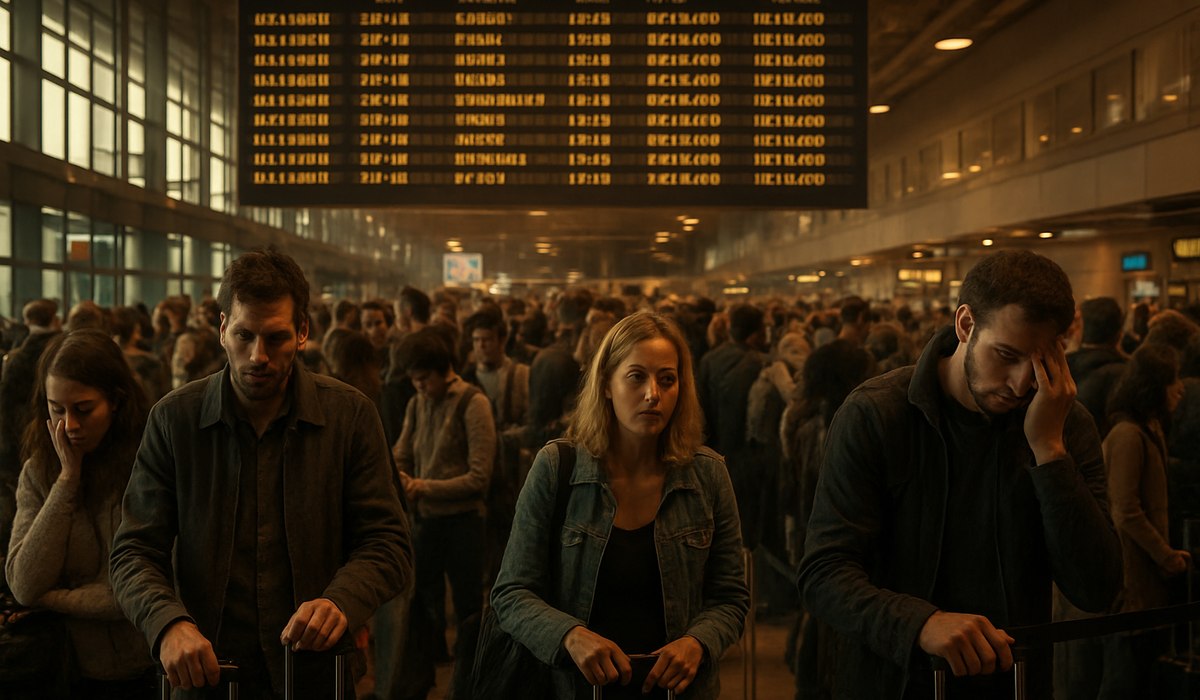
Image generated by AI
Flight Chaos Grips Europe's Busiest Hubs During Easter 2026
Frankfurt Airport and London Heathrow are experiencing unprecedented disruption as Easter holiday travel collides with operational strain across Europe's aviation network. Hundreds of flight delays and dozens of cancellations have cascaded through these critical continental gateways during the peak holiday weekend of April 2026. The disruption affects millions of connecting passengers traveling to North America, Asia, and the Middle East, with rebooking queues stretching for hours at both terminals.
Frankfurt and London Heathrow: Ground Zero for Easter Disruption
Frankfurt and London Heathrow stand as the epicenter of current Easter travel chaos. Frankfurt Airport, serving as Lufthansa's primary long-haul base, has recorded some of Europe's highest disruption rates throughout March and into Easter week. London Heathrow, the United Kingdom's busiest airport, reported individual days with more than 300 flight delays during peak holiday travel periods.
The concentration of disruption at these two hubs amplifies systemic problems across the entire European network. When major connection points experience delays, the ripple effects spread across dozens of onward flights within hours. Passengers connecting from regional airports through Frankfurt or Heathrow face cascading cancellations, forcing extensive reroutings or multi-day delays.
Data from aviation tracking platforms shows that even minor delays at these capacity-constrained airports quickly compound into network-wide disruption. Aircraft positioning failures, crew scheduling conflicts, and passenger misconnections create a domino effect that extends far beyond the initial disruption point.
Cascading Delays: How Minor Slippages Create Network-Wide Chaos
The relationship between initial delays and system-wide disruption reveals why these airports are so critical to global connectivity. When a single long-haul departure experiences a two-hour delay at Frankfurt, that aircraft arrives at its North American destination behind schedule, affecting the next day's transatlantic return flight. Crew members exceed their legal duty limits, requiring overnight hotel stays that weren't budgeted in airline schedules.
Rebooking cascades create secondary waves of disruption. Passengers bumped from delayed flights overload alternative carriers' systems. Ground staff at Frankfurt and Heathrow report rebooking desk queues extending beyond security checkpoints during peak hours. Flight crew fatigue compounds as rosters shift to accommodate schedule changes, reducing their ability to absorb further disruptions.
Weather events during late March exacerbated cascading delays. Strong winds, heavy rainfall, and regional snow triggered air traffic flow restrictions that forced airlines to reduce frequencies. At capacity-constrained airports like Heathrow, brief closure windows translate into hours of knock-on delays that extend throughout the day.
The Hub Effect: Why These Airports Matter to Global Connectivity
Frankfurt and London Heathrow function as irreplaceable connection points for European and intercontinental travel. Frankfurt processes more than 120 daily intercontinental departures, connecting central and eastern European passengers to Asian and North American destinations. Heathrow maintains the highest volume of transatlantic flights in Europe, with dozens of daily flights to major US cities.
These airports' strategic importance means that localized disruptions have outsized continental consequences. A single aircraft cancellation at Frankfurt may eliminate connections for 400 passengers spread across seven onward flights. The dense network of regional feeder services feeding these major hubs means that disruption propagates backward to smaller airports across the continent.
Airlines operating these hubs—primarily Lufthansa at Frankfurt and British Airways, Virgin Atlantic, and other carriers at Heathrow—have limited flexibility to absorb schedule disruptions. These airports operate near maximum capacity during Easter travel periods, leaving no buffer for operational problems. Additional strike action by Lufthansa cabin crew during Easter return periods further compressed available capacity, forcing the cancellation of over 500 flights across Frankfurt, Munich, and regional German airports.
What Travelers Need to Know Right Now
Current conditions at Frankfurt and London Heathrow demand immediate action from travelers with upcoming Easter bookings. Monitoring real-time flight status through FlightAware provides updates more current than airline communications. Contact your airline immediately if your flight shows delays exceeding 90 minutes, as rebooking options diminish rapidly during peak disruption periods.
Document all disruption-related expenses, including meals, accommodation, and transportation, as you may qualify for compensation under EU Regulation 261/2004 or UK equivalent protections. The US Department of Transportation provides guidance on passenger rights for flights affected by operational disruptions.
Travelers should consider rebooking to alternative routes through secondary hubs like Munich, Cologne, or London Gatwick if available. Building flexibility into Easter travel plans—arriving 24 hours earlier or departing later—substantially reduces disruption impact. For connecting passengers, request through-checked baggage to avoid loss risk during reroutings.
Traveler Action Checklist
- Check your flight status on FlightAware or your airline's app every 4-6 hours through travel date.
- Photograph your boarding pass and itinerary as backup documentation for rebooking situations.
- Contact your airline directly if delays exceed 90 minutes rather than waiting for official notifications.
- Document all out-of-pocket expenses with receipts for potential compensation claims under EU261/2004.
- Request written confirmation of any rebooking, including revised flight numbers and departure times.
- Inform your airline of essential connections more than 48 hours before departure.
- Consider travel insurance claims if cancellation appears likely, following your policy's notification requirements.
- Register with your airline's rebooking priority list rather than joining general customer service queues.
| Factor | Frankfurt | London Heathrow | Impact Level |
|---|---|---|---|
| Typical Daily Delays (Easter) | 200-300 flights | 300+ flights | Critical |
| Primary Carrier | Lufthansa (60% traffic) | BA/Virgin (40% traffic) | Systemic |
| Connecting Passengers Affected | 40,000+ daily | 35,000+ daily | Severe |
| Average Delay Duration | 45-90 minutes | 60-120 minutes | Cumulative |
| Strike Cancellations (April 2026) | 500+ flights (multi-airport) | 50-100 flights (indirect) | Widespread |
| Weather-Related Disruptions | 15-20% of delays | 25-30% of delays | Compounding |
What This Means for Travelers
Easter 2026 represents one of Europe's most challenging travel periods in recent years. Passengers booked through Frankfurt or Heathrow should prepare for significant delays as standard expectation rather than exception. The combination of peak holiday demand, industrial action, and weather constraints has eliminated system buffers that normally absorb operational problems.
Travelers with flexible itineraries should strongly consider rebooking to dates outside Easter peak (April 9-15) or alternative airports when economically feasible. Those with fixed Easter dates should implement the traveler action checklist immediately and maintain persistent contact with airlines as disruption unfolds. Compensation eligibility under EU and UK regulations provides financial recovery for qualifying delays, though claiming processes require comprehensive documentation of all disruption-related expenses.
Frequently Asked Questions
What compensation am I entitled to if my Easter flight is delayed?
Under EU Regulation 261/2004, passengers on delayed flights experience compensation of €250-600 depending on flight distance if delays exceed 3 hours at final destination and result from airline responsibility (excluding extraordinary circumstances like weather). UK passengers have equivalent protections. File claims directly with your airline or through passenger rights organizations like AirHelp or Compensation.com.
Disclaimer
This article is for informational and educational purposes only. It does not constitute legal, financial, or professional advice. While we strive to provide accurate and up-to-date information, travel policies, regulations, and conditions change rapidly. Always verify information with official sources before making travel decisions. Nomad Lawyer makes no representations about the accuracy, reliability, completeness, or suitability of the information provided. Readers should consult qualified professionals for advice specific to their circumstances. The views expressed in this article are those of the author and do not necessarily reflect the views of Nomad Lawyer.
Raushan Kumar
Founder & Lead Developer
Full-stack developer with 11+ years of experience and a passionate traveller. Raushan built Nomad Lawyer from the ground up with a vision to create the best travel and law experience on the web.
Learn more about our team →