
Flight Seat Attendants Reveal the Best Airplane Seat for 2026 Travel
Flight attendants share insider wisdom on selecting the optimal airplane seat for comfort and convenience during 2026 air travel. Discover which seat position enhances your flight experience the most.

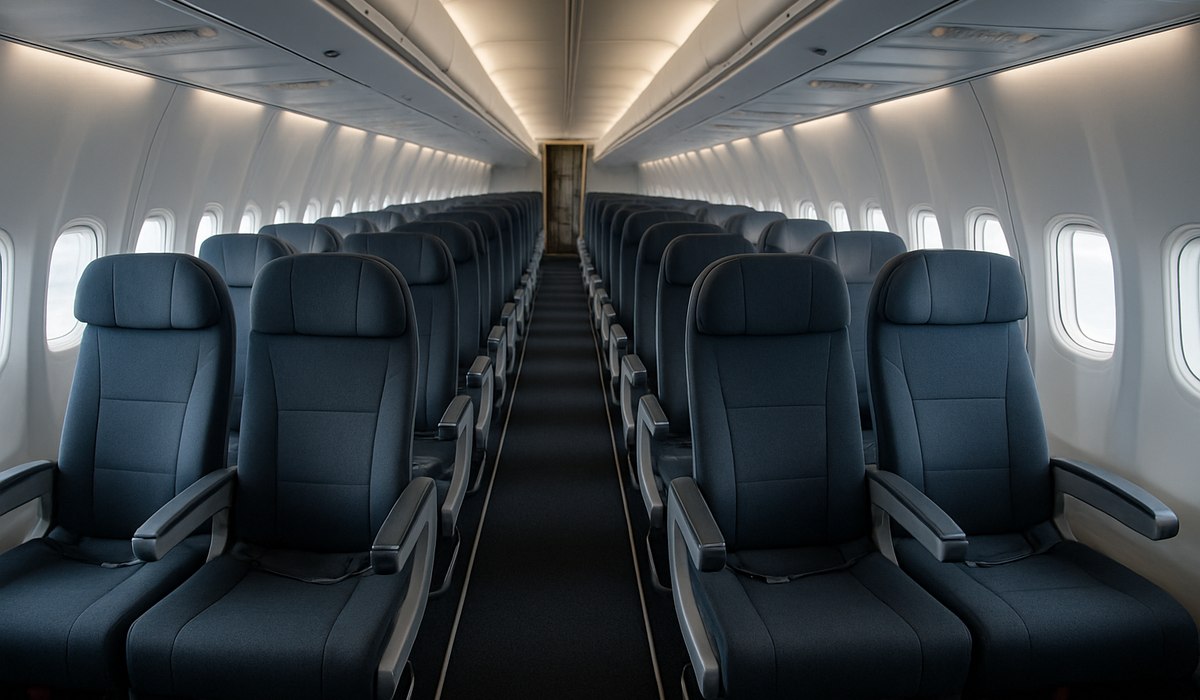
Image generated by AI
Flight Attendants Reveal Insider Secrets on Optimal Seat Selection
Flight attendants across major U.S. and international carriers are sharing professional recommendations on which airplane seat delivers superior travel comfort and convenience. Based on decades of cabin crew experience, these aviation professionals have identified specific seating positions that balance passenger comfort, accessibility, and flight experience quality. Understanding their perspective helps travelers make informed decisions during booking, transforming routine journeys into more pleasant experiences regardless of flight duration or destination.
What Flight Attendants Know About Seat Selection
Professional flight attendants evaluate airplane seats through a unique lens shaped by thousands of flight hours. They observe passenger behavior patterns, understand aircraft design limitations, and recognize how specific seat locations impact comfort across different flight scenarios. Crew members consistently highlight that the "best" seat depends entirely on individual travel priorities and flight characteristics.
The flight seat attendants recommend considering several technical factors beyond simple window versus aisle preferences. Aircraft width, galley proximity, lavatory access, and emergency exit locations all influence cabin dynamics. Attendants note that premium economy and business class seats often feature superior engineering, but economy passengers can optimize their selection through strategic positioning. Understanding these nuances separates occasional flyers from savvy travelers who consistently secure the most comfortable available seats on their flights.
The Science Behind the Best Airplane Seat
Aviation ergonomics and cabin design create measurable differences in passenger comfort across various seating zones. Research into airplane seat dimensions reveals that exit row seating provides significantly more legroom, though trade-offs exist regarding recline functionality and galley access. The best airplane seat balances multiple variables: adequate legroom, minimal noise exposure, convenient lavatory proximity, and reduced air traffic disruption.
Flight attendants observe that seats located over the wing experience less turbulence sensation compared to tail positions, making them preferable for nervous flyers. Mid-cabin seating typically offers optimal balance between essential services and cabin noise levels. Modern aircraft designs increasingly incorporate these ergonomic principles, but variation persists across different aircraft types and airline configurations. Consulting FlightAware allows passengers to identify specific aircraft assigned to their flights, enabling research into precise seat layouts before booking.
Window vs. Aisle vs. Middle: The Crew Perspective
Each seating category presents distinct advantages and disadvantages that flight seat attendants encounter regularly during service operations. Window seats provide wall support for sleeping passengers, reduce lavatory traffic disruption, and offer psychological comfort through external views. However, window passengers sacrifice aisle accessibility and rely on middle or aisle occupants for lavatory access.
Aisle seating maximizes mobility and minimizes sleep disruption from fellow passengers. Flight attendants consistently note that aisle passengers experience easier lavatory access, quicker boarding and deplaning, and reduced claustrophobia. The trade-off involves greater exposure to service cart impacts and increased movement-related sleep interruptions.
The middle seat historically receives universal criticism, yet crew members recognize situations where middle seating offers unexpected advantages. Families traveling together often benefit from middle positioning, creating natural armrest sharing and enhanced group cohesion. For solo travelers on longer flights, the middle seat remains generally less desirable, though some passengers prioritize this position for shoulder support between neighboring seats. The best airplane seat ultimately depends on individual travel style, trip duration, and personal comfort priorities.
How to Book Your Ideal Seat
Strategic seat selection begins during the initial booking phase, where major airlines typically display seat maps showing available options. Most carriers allow free or paid seat selection through their websites or mobile applications. Flight attendants recommend booking seats immediately after purchasing tickets when premium options remain available.
Research aircraft configurations before finalizing seat selection. Different aircraft models feature varying legroom, width, and amenity access. Budget airlines sometimes restrict free seat selection to basic seating, requiring paid upgrades for preferred positions. Understanding airline-specific policies prevents booking surprises and ensures your preferred seat category remains available.
For passengers prioritizing the best airplane seat experience, consider booking flights during off-peak times when seat selection flexibility increases dramatically. Early morning and mid-week departures typically feature lower demand, expanding available options. Paid premium economy or business class upgrades guarantee superior seating compared to standard economy across all major international carriers. Loyalty program members often access elite seating benefits that non-members cannot obtain.
Key Data Table: Flight Seat Preferences by Type
| Seat Category | Legroom Average | Recline Ability | Lavatory Proximity | Turbulence Impact | Best For |
|---|---|---|---|---|---|
| Window Standard | 17-18 inches | Yes | Moderate Distance | Lower (Wing Position) | Sleepers |
| Aisle Standard | 17-18 inches | Yes | Immediate Access | Variable | Frequent Restroom Users |
| Middle Standard | 17-18 inches | Yes | Close Proximity | Variable | Group Travel |
| Exit Row Window | 31-32 inches | Limited/None | Moderate Distance | Lower | Long-Distance Flyers |
| Exit Row Aisle | 31-32 inches | Limited/None | Immediate Access | Lower | Tall Passengers |
| Bulkhead | 18-20 inches | Restricted | Close Proximity | Variable | Families with Infants |
Traveler Action Checklist
Implement these practical steps to optimize your airplane seat selection for upcoming flights:
-
Review your airline's specific seat map layout before completing any ticket purchase to understand available categories and pricing.
-
Select seats during initial booking when maximum options remain available and premium positions typically cost less.
-
Identify the aircraft type assigned to your specific flight using airline confirmations or FlightAware, then research that model's seat configurations online.
-
Book exit row seating for long-haul international flights if acceptable legroom constraints match your height and comfort requirements.
-
Avoid seats directly in front of lavatories and galleys to minimize nighttime noise disruptions and service cart impacts.
-
Choose window seats on red-eye flights if sleep quality represents your primary concern, or aisle seats if frequent lavatory access matters more.
-
Check your airline's website at least 24 hours before departure when additional seat changes sometimes become available at no charge.
What This Means for Travelers
Flight attendants emphasize that the best airplane seat adapts to individual travel patterns, flight duration, and personal comfort priorities. No single perfect seat exists universally; instead, strategic selection based on your specific needs transforms routine travel into more pleasant experiences. Understanding crew perspectives on seat dynamics helps passengers make informed decisions that maximize comfort while acknowledging realistic trade-offs.
For business travelers prioritizing productivity during flights, aisle seating in quieter mid-cabin positions supports uninterrupted work time. Leisure travelers seeking maximum rest benefit more from window seats enabling wall support and sleep stability. Families coordinating group travel often maximize comfort through deliberate seat clustering rather than scattered individual bookings. The best airplane seat ultimately reflects your unique priorities, flight characteristics, and personal preferences shaping your overall travel experience.
Frequently Asked Questions
What airplane seat do flight attendants recommend most?
Flight attendants consistently recommend window or aisle seats depending on individual needs, avoiding middle seating when possible. Exit row positions provide superior legroom for longer flights, though recline restrictions apply. Mid-cabin positioning balances service access with turbulence stability better than tail sections.
Which airplane seat experiences the least turbulence?
Seats positioned over the aircraft wings experience measurably less turbulence sensation compared to tail or front positions. This aerodynamic advantage makes wing-adjacent seating preferable for nervous flyers. Crew members recommend researching specific aircraft wing placement before finalizing seat selections.
Can I change my airplane seat without paying additional fees?
Most airlines permit free seat changes online up to 24 hours before departure. Premium airline programs and elite frequent flyer members often access complimentary seat upgrades. Budget carriers typically charge fees for preferred seating changes after initial booking completion.
Is exit row seating worth the cost?
Exit row seating provides substantial legroom increases beneficial for tall passengers and long
Disclaimer
This article is for informational and educational purposes only. It does not constitute legal, financial, or professional advice. While we strive to provide accurate and up-to-date information, travel policies, regulations, and conditions change rapidly. Always verify information with official sources before making travel decisions. Nomad Lawyer makes no representations about the accuracy, reliability, completeness, or suitability of the information provided. Readers should consult qualified professionals for advice specific to their circumstances. The views expressed in this article are those of the author and do not necessarily reflect the views of Nomad Lawyer.
Kunal K Choudhary
Co-Founder & Contributor
A passionate traveller and tech enthusiast. Kunal contributes to the vision and growth of Nomad Lawyer, bringing fresh perspectives and driving the community forward.
Learn more about our team →