
Five Most Affordable Neighborhoods in Rochester, NY | Apartments.com
Five Most Affordable Neighborhoods in Rochester, NY | Apartments.com

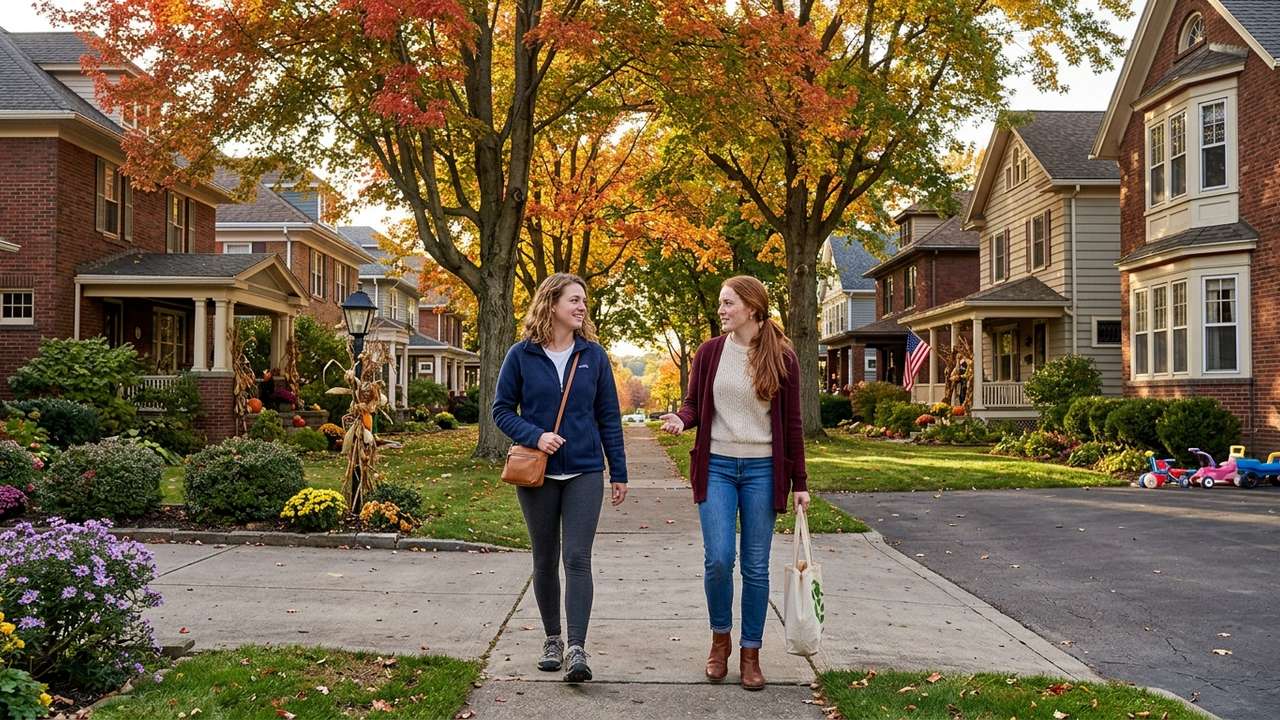
Image generated by AI
ROCHESTER, N.Y. — Real estate analysts and municipal planners are tracking a distinct shift in rental demand as five affordable Rochester neighborhoods emerge as the top housing options for tenants across western New York. According to CoStar Group’s June 2026 market report, these districts offer median monthly rents ranging from $951 to $1,504, positioning them well below both the national average of $1,644 and the statewide New York benchmark of $3,043.
The Flower City, situated along the Genesee River and positioned just south of Lake Ontario, continues to attract a metropolitan population exceeding one million residents while maintaining its core urban population at approximately 211,000. Housing market observers note that the region’s historic architecture, diverse community layouts, and strategic geographic location create a rental environment that balances urban accessibility with measurable cost efficiency. As broader economic conditions influence lease renewals and new construction pipelines, tenants are increasingly prioritizing districts that deliver walkability, transit connectivity, and recreational access without exceeding standard budget parameters. The following neighborhoods consistently demonstrate the strongest value metrics for both individual renters and prospective homeowners.
Maplewood Neighborhood Profile and Transit Access
Maplewood occupies a northwest quadrant of the city, characterized by early twentieth-century residential structures and heavily shaded streetscapes. Current rental tracking places the average one-bedroom unit in this district at $951 per month, significantly undercutting the citywide average of $1,349. Property valuation data indicates a median home list price of $149,900. Municipal mobility assessments assign the area a fair rating for both pedestrian and bicycle navigation, allowing residents to manage daily commutes without mandatory vehicle dependency. The neighborhood’s primary recreational asset centers on Seneca Park, a 297-acre landscape engineered by Frederick Law Olmsted that extends along the Genesee River Gorge. This facility houses Seneca Park Zoo, which serves as the city’s sole zoological institution, while the adjacent Maplewood Rose Garden draws consistent seasonal visitors. Commercial activity concentrates along Driving Park Avenue and Maplewood Drive, with essential retail and grocery services accessible via the nearby Ridge Road corridor. The Genesee Riverway Trail provides a continuous paved network for pedestrian and cycling traffic, reinforcing outdoor accessibility. Vehicular routing relies on Lake Avenue and Driving Park Avenue to connect with the central business district, while Interstate 390 facilitates regional distribution. The Regional Transit Service operates dedicated bus lines that bridge Maplewood with downtown transit hubs.
Upper Monroe Residential Corridor and Park Connectivity
Tenants seeking quieter residential zones with immediate proximity to commercial amenities are increasingly evaluating the Upper Monroe district. The average monthly lease for a one-bedroom apartment in this area stands at $1,239, with residential property valuations averaging $199,450. Monroe Avenue functions as the primary commercial spine, hosting independent dining establishments, specialty retail outlets, and vintage merchandise vendors. The corridor also anchors Dogtown, a long-standing local dining institution recognized for regional culinary specialties. Green space accessibility remains a defining feature, as Cobbs Hill Park borders the district. This 169-acre municipal reservation includes a central reservoir, a disc golf facility, and extensive trail networks utilized for year-round physical activity. Seasonal programming spans winter ice skating on the reservoir, spring recreational events, and summer communal gatherings. Transportation infrastructure centers on New York Route 31, which provides direct arterial access to downtown, while Interstate 490 sits within immediate driving distance to link Interstate 390. RTS bus corridors along Monroe Avenue maintain consistent service frequency between the residential zone and central employment districts.
Charlotte Lakeside Community and Recreational Infrastructure
Positioned as the northernmost district within the municipal boundaries, Charlotte centers its residential and recreational layout around Ontario Beach Park and the historic Dentzel Menagerie Carousel. Rental data indicates an average one-bedroom cost of $1,319 per month, aligning closely with municipal averages while remaining substantially lower than comparable lakeside markets. Property valuations reflect a median home list price of $164,900. The district’s primary public amenity features a complimentary beachfront zone supporting swimming, boating, and fishing operations. The Dentzel Menagerie Carousel, recognized on the National Register of Historic Places, operates as a cultural landmark within the park. Proximity to the Genesee Lighthouse, one of the oldest surviving structures on the Great Lakes, provides additional historical tourism appeal during warmer months. Lake Avenue serves as the primary commercial and residential artery, featuring waterfront dining establishments and seasonal retail activity. Visitor volume peaks during summer months, though the Charlotte Pier maintains year-round utility for fishing and recreational walking. Transit infrastructure relies heavily on Lake Avenue bus routes, which connect the district to downtown Rochester. Due to the geographic distance from the central business district, most residents utilize personal vehicles for daily commuting, as pedestrian and cycling infrastructure remains limited.
Cobbs Hill Green Space and Cultural Proximity
The eastern sector of the city hosts Cobbs Hill, a district that combines elevated topography with extensive municipal green space. The average one-bedroom rental rate reaches $1,331 per month, while residential property valuations sit at a median of $364,900. Proximity to a 169-acre park featuring a reservoir, disc golf course, and elevated skyline viewing platforms drives consistent tenant demand. The park’s topographical advantage offers unobstructed panoramic views of the urban core, establishing it as a premier location for recreational sightseeing. Culinary and retail services concentrate along Winton Road and the adjacent Twelve Corners commercial zone in neighboring Brighton. Cultural accessibility remains high, with the Memorial Art Gallery and the University of Rochester museum situated within short transit or cycling distance. These institutions host rotating exhibitions, outdoor performances, and seasonal art markets. Vehicular routing depends on Monroe Avenue to the south, with Culver Road and Winton Road providing northern and eastern arterial access. Interstate 490 lies within minutes of the district, enabling rapid connections to Interstate 590 and Interstate 390. While RTS bus networks service surrounding corridors, vehicle dependency remains prevalent for daily commuting.
Upper Falls Urban Core and Transit Network Integration
Located immediately north of the central business district, Upper Falls delivers high-density urban living with direct access to municipal transit infrastructure. The average one-bedroom lease in this neighborhood reaches $1,504 per month, slightly exceeding the municipal average but remaining competitive relative to national housing benchmarks. Residential property valuations reflect a median home list price of $84,000. The district derives its designation from the Upper Falls of the Genesee River, with the gorge and waterfall system visible from pedestrian bridges and riverfront promenades near the High Falls commercial zone. Recent commercial development has converted former industrial facilities into contemporary dining and beverage establishments. Adjacent districts, including Brown Square and the Corn Hill arts zone, provide walkable access to expanded entertainment and dining networks. The RTS Transit Center operates within immediate proximity, delivering direct connections to Strong Memorial Hospital, the University of Rochester, and major regional employment hubs. Highway access utilizes the intersection of Interstate 490 and New York Route 104, ensuring rapid regional distribution. Public transit reliance remains high, making the district a primary choice for tenants without personal vehicles.
| Neighborhood | Average 1-Bedroom Rent | Median Home List Price | Key Recreational & Commercial Assets | Primary Transportation Routes |
|---|---|---|---|---|
| Maplewood | $951/month | $149,900 | Seneca Park, Maplewood Rose Garden, Genesee Riverway Trail | Lake Avenue, Driving Park Avenue, I-390, RTS Bus Routes |
| Upper Monroe | $1,239/month | $199,450 | Monroe Avenue Corridor, Dogtown, Cobbs Hill Park | NY Route 31, I-490, RTS Bus Routes |
| Charlotte | $1,319/month | $164,900 | Ontario Beach Park, Dentzel Carousel, Genesee Lighthouse | Lake Avenue, RTS Bus Routes |
| Cobbs Hill | $1,331/month | $364,900 | Cobbs Hill Park, Winton Road Dining, Memorial Art Gallery | Monroe Ave, Culver Rd, Winton Rd, I-490, RTS Bus Routes |
| Upper Falls | $1,504/month | $84,000 | Upper Falls of Genesee River, High Falls District, RTS Transit Center | I-490, NY Route 104, RTS Transit Hub |
Housing market analysts are observing how these five districts collectively shape rental demand across western New York. The disparity between the $951 monthly average in Maplewood and the $1,504 average in Upper Falls illustrates how proximity to transit hubs and commercial density directly influences lease pricing. Municipal planners are leveraging the high walkability ratings in Maplewood and Upper Monroe to support pedestrian infrastructure investments, while Charlotte’s seasonal tourism patterns require year-round commercial strategies to stabilize local business revenue. The presence of extensive green space in Upper Monroe and Cobbs Hill correlates with sustained tenant retention, as recreational accessibility consistently ranks as a top priority in lease renewal surveys. Furthermore, the concentration of transit infrastructure in Upper Falls reduces vehicle dependency for a growing segment of the workforce, directly impacting regional traffic congestion and emissions metrics. CoStar Group’s June 2026 data confirms that while the overall cost of living in Rochester registers 2.1 percent above the national baseline, category-specific expenses for groceries, utilities, and housing remain below national averages. A single renter’s estimated monthly expenditure across these core categories averages approximately $4,576, reinforcing the city’s position as a financially sustainable market for mid-income tenants.
Municipal housing authorities and regional transit planners are adjusting infrastructure investments to accommodate the sustained demand for these five verified affordable districts. Lease market projections indicate that rental stability will depend on continued commercial development along Monroe Avenue and Lake Avenue, alongside maintained frequency on RTS bus corridors. As national economic indicators continue to influence regional construction pipelines, Rochester’s established neighborhood inventory will likely serve as a benchmark for cost-efficient urban living in upstate New York. Tenants evaluating relocation options will continue to prioritize transit connectivity, recreational access, and verified rent benchmarks when selecting long-term housing placements.
affordable Rochester neighborhoods offer renters below-average lease rates, strong transit access, and verified housing data from June 2026 market reports.
Related Travel Guides
Disclaimer
This article is for informational and educational purposes only. It does not constitute legal, financial, or professional advice. While we strive to provide accurate and up-to-date information, travel policies, regulations, and conditions change rapidly. Always verify information with official sources before making travel decisions. Nomad Lawyer makes no representations about the accuracy, reliability, completeness, or suitability of the information provided. Readers should consult qualified professionals for advice specific to their circumstances. The views expressed in this article are those of the author and do not necessarily reflect the views of Nomad Lawyer.
Raushan Kumar
Founder & Lead Developer
Full-stack developer with 11+ years of experience and a passionate traveller. Raushan built Nomad Lawyer from the ground up with a vision to create the best travel and law experience on the web.
Learn more about our team →