
Finnair non-stop flights from Helsinki to Tokyo 🇯🇵🗻 from €728
Don't miss out on this incredible opportunity to experience the best of Japan with direct Finnair flights from Helsinki!

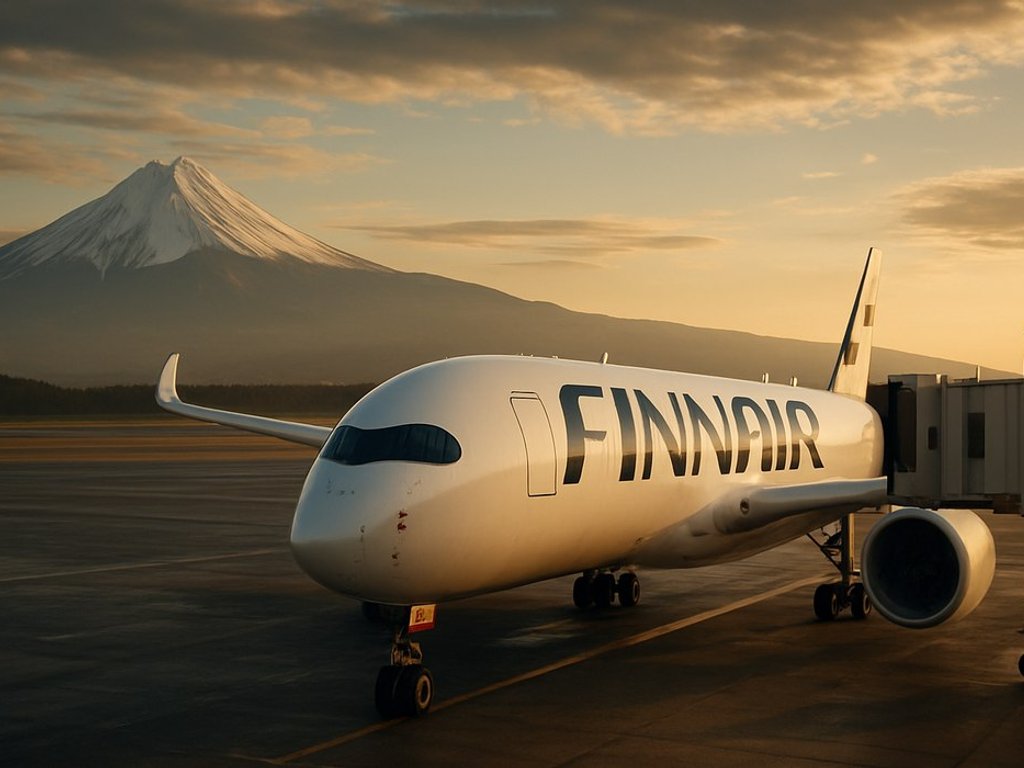
Image generated by AI
Finnair's Direct Route to Tokyo: Affordable Gateway to Japan Starting at €728
Quick Summary: Finnair operates non-stop service connecting Helsinki with Tokyo, offering competitive fares beginning at €728 for travelers eager to explore Japan's cultural treasures and modern attractions.
Seamless Connectivity Between Nordic and Japanese Markets
Finnair has established itself as a crucial bridge connecting Northern European travelers with East Asian destinations. The carrier's non-stop service between Helsinki airport and Tokyo represents a significant development for aviation connectivity, enabling passengers to reach Japan's capital without requiring intermediate stops or lengthy layovers.
This direct routing simplifies travel logistics considerably. Rather than navigating multiple airport transitions, passengers board their flight in Finland and disembark directly in Japan, reducing total journey time substantially. The streamlined itinerary appeals particularly to business professionals managing tight schedules and leisure travelers prioritizing convenience and efficiency.
Competitive Pricing Structures Making Tokyo Accessible
The entry-level pricing point of €728 positions Finnair's Tokyo service within reach of budget-conscious international travelers. This figure represents a competitive rate within the long-haul aviation marketplace, where transatlantic and transpacific routes typically command premium fares.
Passengers should note that advertised base fares often exclude ancillary services, baggage allowances, seat selections, and other optional enhancements. Finnair's revenue model, typical across the industry, builds revenue through primary ticket sales supplemented by additional service fees. Understanding this structure helps travelers make informed booking decisions and calculate true all-inclusive costs.
Helsinki as a Strategic Aviation Hub
Helsinki's geographical positioning creates operational advantages for airlines serving Asian markets. The Finnish capital benefits from a northern latitude that permits efficient routing across Arctic regions, potentially reducing flight distances compared to alternative European departure points.
Finnair has leveraged this geographic advantage to develop comprehensive Asian networks. Helsinki operates as a significant hub within the airline's operational framework, facilitating connections between Scandinavian populations and distant markets. The airport infrastructure accommodates modern wide-body aircraft required for extended transpacific operations, supporting efficient long-range service delivery.
Tokyo: Japan's Premier Destination Hub
Tokyo presents multiple compelling reasons for visitor interest. The metropolitan area combines traditional Japanese cultural elements—ancient temples, ceremonial gardens, and historic districts—with cutting-edge technological advancement and contemporary urban development.
The city functions as Japan's primary international gateway. Tokyo's airports handle the majority of inbound international traffic, making the destination the logical entry point for most foreign visitors. From Tokyo, travelers access nationwide rail networks enabling efficient movement throughout the Japanese archipelago, making it an ideal base for comprehensive country exploration.
Journey Experience and Service Expectations
Finnair operates modern aircraft on its extended-range international services. Passengers benefit from contemporary cabin configurations, in-flight amenities, and service standards reflecting the carrier's reputation for Nordic hospitality and operational reliability.
Long-haul flight experiences encompass multiple service components. Meals and beverage programs cater to diverse dietary requirements and preferences. Entertainment systems offer extensive content libraries, and seating configurations range from economy-class options through premium cabin products providing enhanced comfort and exclusivity.
Booking Considerations and Timing Optimization
Advance purchasing generally produces optimal pricing results in aviation markets. The €728 introductory fare likely reflects early-booking discounts or promotional pricing structures. Travelers interested in accessing these rates should monitor airline communications and booking platforms regularly.
Seasonal demand variations influence pricing throughout the year. Japan experiences distinct seasons affecting visitor comfort levels and attraction accessibility. Spring cherry blossom season and autumn foliage periods typically generate elevated demand and corresponding price increases. Summer and winter periods may offer reduced pricing alongside different experiential qualities.
Expanding Asia-Pacific Networks
Finnair's commitment to Asian market development demonstrates confidence in growing Nordic-Asian travel demand. Direct service between Helsinki and Tokyo strengthens the carrier's competitive positioning against rival airlines operating equivalent routes.
The Finnish carrier continues expanding Asian network capacity, reflecting broader industry trends toward increased Asia-Pacific connectivity. Airlines recognize substantial traffic generation potential in these markets, investing capital in aircraft acquisition and route development supporting this strategic direction.
Practical Planning for Your Tokyo Journey
Travelers preparing for Helsinki-Tokyo flights should verify current visa requirements, passport validity periods, and travel insurance coverage. Japan maintains specific entry protocols that international visitors must satisfy regardless of origin country.
Ground transportation in Tokyo presents multiple options, from traditional taxi services to rail-based transit systems. The Narita Express train connects airport facilities with central Tokyo stations efficiently, while the Keisei Skyliner provides rapid transit alternatives. Advance familiarity with these options facilitates smooth arrivals and reduces travel stress.
Sustainable Aviation and Industry Evolution
Environmental consciousness increasingly influences aviation industry development. Finnair, like carriers globally, addresses carbon footprint reduction through aircraft modernization, operational efficiency improvements, and sustainable fuel initiatives. Long-haul routes benefit from technological advances permitting extended-range operations with optimized fuel consumption.
The aviation sector continues evolving toward environmental sustainability. Airlines invest in newer aircraft generating fewer emissions per passenger-kilometer compared to earlier-generation equipment. These investments support industry-wide decarbonization goals while maintaining service quality and connectivity standards.
Frequently Asked Questions
What documents do I require for traveling from Helsinki to Tokyo on Finnair? International passengers require valid passports meeting validity requirements established by Japanese immigration authorities. Most nationalities also require visa documentation obtained prior to travel, though some countries maintain visa exemption agreements with Japan. Travelers should verify specific requirements for their nationality through official Japanese embassy resources.
How far in advance should I book Finnair's Helsinki-Tokyo service? Booking several weeks before intended departure typically optimizes pricing. The lowest fares, including the €728 base rate, generally appear when reservations occur during designated promotional periods or through advance-purchase arrangements. Flexible travelers should monitor prices across multiple booking windows.
What baggage allowances apply to Finnair's long-haul international flights? Standard baggage policies vary by fare category and frequent-flyer membership status. Economy passengers typically receive one complimentary checked bag with weight restrictions, while carry-on allowances follow industry-standard dimensions. Checking Finnair's official policies during booking ensures clarity regarding applicable allowances.
Are meals provided during the Helsinki-Tokyo flight? Finnair provides meal services on long-haul international routes, with offerings varying by cabin class. Economy passengers receive meals reflecting standard airline catering standards, while premium cabin guests access enhanced dining experiences. Special dietary requirements can typically be accommodated with advance notification.
What are the most advantageous times to visit Tokyo for first-time travelers? Spring (March-May) and autumn (September-November) offer optimal weather conditions and comfortable temperatures. These seasons feature lower humidity levels compared to summer months and avoid winter's coldest periods. Spring's cherry blossom displays and autumn's foliage create particularly memorable experiences.
Can I connect to other Japanese destinations from Tokyo? Japan's comprehensive rail networks facilitate efficient travel throughout the country. The Shinkansen bullet train system connects Tokyo with major cities including Kyoto, Osaka, Hiroshima, and numerous regional destinations. These connections enable multi-destination Japanese itineraries beginning with Tokyo arrivals.
For current fare information and booking details, visit Finnair's official website or contact authorized travel agents specializing in long-haul Asian routings.
Disclaimer
This article is for informational and educational purposes only. It does not constitute legal, financial, or professional advice. While we strive to provide accurate and up-to-date information, travel policies, regulations, and conditions change rapidly. Always verify information with official sources before making travel decisions. Nomad Lawyer makes no representations about the accuracy, reliability, completeness, or suitability of the information provided. Readers should consult qualified professionals for advice specific to their circumstances. The views expressed in this article are those of the author and do not necessarily reflect the views of Nomad Lawyer.
Kunal K Choudhary
Co-Founder & Contributor
A passionate traveller and tech enthusiast. Kunal contributes to the vision and growth of Nomad Lawyer, bringing fresh perspectives and driving the community forward.
Learn more about our team →