
FAA Warns of Flight Delays at Denver, San Diego, and Seattle Airports Due to Weather in 2026
FAA issues weather alerts for DEN, SAN, and SEA airports, triggering potential ground stops and widespread delays across US airspace on October 27, 2026.

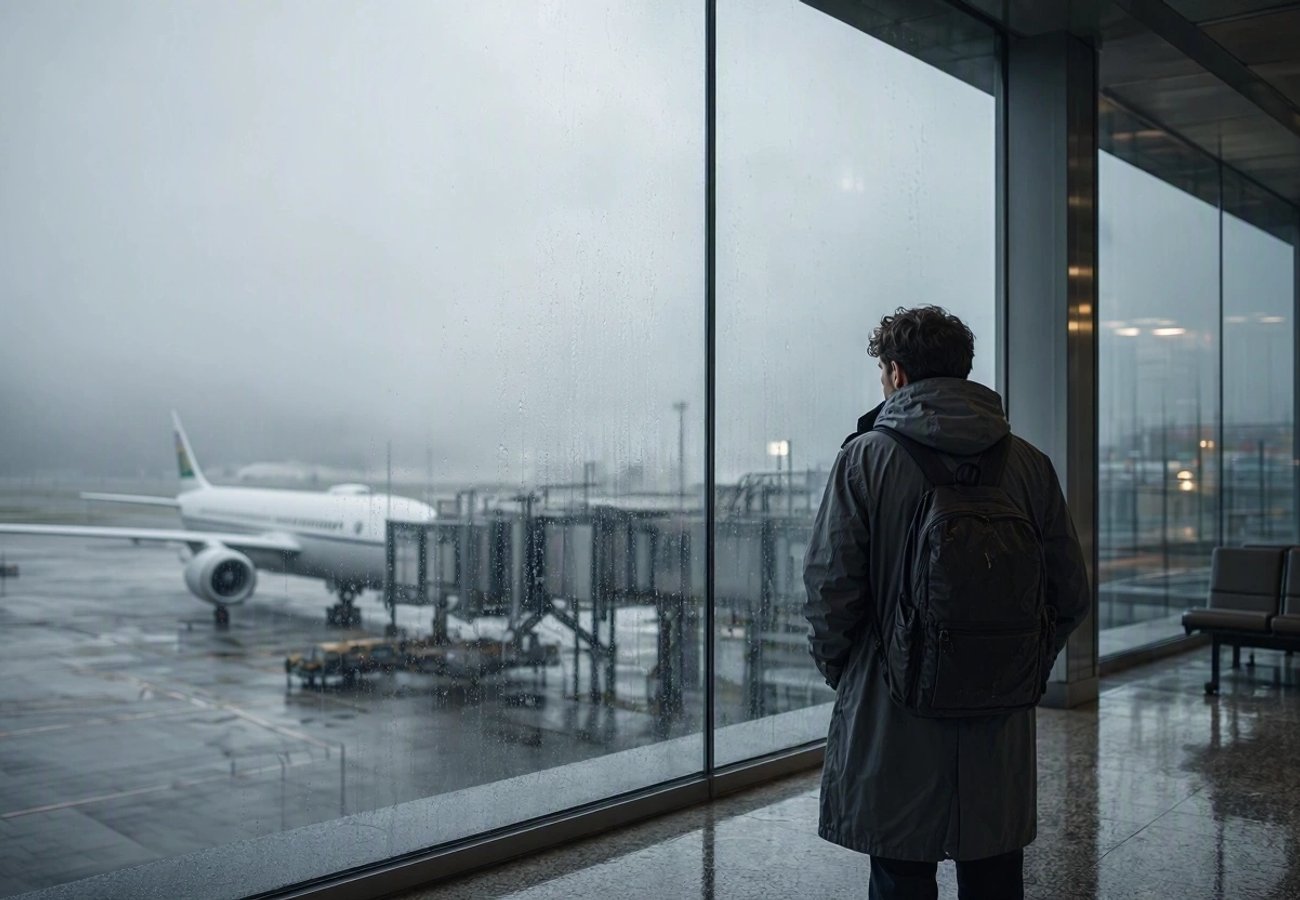
Image generated by AI
Passengers scheduled for departures through the American West woke to a volatile travel environment on October 27, 2026, as the Federal Aviation Administration (FAA) flagged critical visibility issues at three major hubs. For a traveler connecting through Denver or Seattle, a simple "low ceiling" weather report can translate into a missed connection, a stranded overnight stay, or a cancelled flight with little notice.
FAA Weather Alerts and Operational Disruptions
On October 27, 2026, the Federal Aviation Administration (FAA) issued an operations plan warning of significant air traffic disruptions. The primary culprits were low cloud ceilings and diminished visibility, which directly impede the ability of pilots to perform visual approaches, forcing a reliance on instrument procedures that slow down the overall flow of traffic.
The FAA's Air Traffic Control System Command Centre identified specific risks for Denver International Airport (DEN), Seattle-Tacoma International Airport (SEA), and San Diego International Airport (SAN). These alerts were not mere suggestions but planned contingencies for ground stops or ground delay programs (GDPs) to ensure safety as weather conditions deteriorated.
The scale of the disruption was reflected in real-time data. As of 11 a.m. EDT on October 27, FlightAware recorded 784 delayed flights and 32 cancellations within the United States. On a global scale, the disruption was even more pronounced, with 8,316 delays and 564 cancellations reported at the same timestamp.
Specific Airport Impact and Timelines
The FAA outlined specific UTC (Coordinated Universal Time) windows where traffic management measures were most likely to be implemented. It is important to note that a ground stop prevents aircraft from departing toward an airport, while a delay program regulates the timing of departures to match the airport's reduced arrival capacity.
| Airport | Primary Weather Concern | Potential Restriction Start (UTC) | Additional Constraints |
|---|---|---|---|
| Denver (DEN) | Low ceilings & reduced visibility | 1200 UTC | High risk of ground stop/GDP |
| San Diego (SAN) | Operational weather risks | 1500 UTC | Potential ground stop/GDP |
| Seattle-Tacoma (SEA) | Low cloud ceilings | 1600 UTC | Runway 16C/34C closed until Nov 15, 2026 |
Your Rights as a Passenger
When disruptions are caused by weather, the legal landscape shifts. Unlike technical faults or staffing shortages, weather is generally classified as an "extraordinary circumstance," which often exempts airlines from paying fixed cash compensation. However, you still possess fundamental protections under US DOT refund rules.
1. Right to a Refund If your flight is cancelled for any reason—including weather—and you choose not to travel on the alternative flight offered by the airline, you are entitled to a full refund of the ticket price and any prepaid fees. This must be returned to your original form of payment, not as a travel voucher.
2. Duty of Care While US regulations are less stringent than EU261, many airlines maintain internal policies to provide meal vouchers or hotel accommodations if a weather delay results in an overnight stay. Always request these in writing from the gate agent.
3. Rebooking Options Airlines are obligated to get you to your destination. If the weather at your hub (e.g., DEN) makes travel impossible, the airline should rebook you on the next available flight at no additional cost.
Rebooking Strategy and Alternatives
If you are caught in the 2026 October weather wave, do not rely solely on the airline's automated app. Use these strategic steps to minimize your downtime:
- The "Parallel Path" Approach: While waiting in line at the airport service desk, call the airline's international support line (e.g., the UK or Canadian desk). These lines often have shorter queues and the same power to rebook your ticket.
- Alternative Hubs: If Seattle-Tacoma (SEA) is paralyzed by low ceilings and runway closures, check for availability into Portland (PDX) or Vancouver (YVR) and arrange ground transport.
- Competitor Monitoring: Use Flightradar24 to see if other carriers are successfully landing. If one airline is grounding flights while another is operating, you may have leverage to request a "rule 240" style rebooking on a competitor, though this is rare and usually requires negotiation.
- Refund vs. Voucher: If the airline offers a voucher for a weather delay, calculate the value. If you have travel insurance, a full refund allows you to book a new flight and claim the price difference through your insurance provider.
FAQ: US Airport Weather Disruptions 2026
Am I entitled to cash compensation for weather delays? Generally, no. Under US law, weather is an "act of God" or extraordinary circumstance. You are not entitled to additional cash payments, but you are entitled to a full refund if you choose not to fly.
Can I get a hotel for free if my flight is delayed by low clouds? It depends on the airline's contract of carriage. While not legally mandated by the DOT for weather, many major carriers provide vouchers. Always ask for "distressed passenger rates" if the airline refuses.
What happens if my flight is cancelled and I miss a connection? The airline is responsible for rebooking you to your final destination. If the delay is significant, you can request a refund for the unused portion of your trip and book an alternative route independently.
How do I know if a ground stop is actually in effect? Check the official FAA status pages or your airline's real-time flight status tracker. A ground stop means your plane will not leave its origin airport until the FAA lifts the restriction.
Stay vigilant with your flight status and keep a digital copy of your passenger rights handy.
Related Travel Guides
Disclaimer
This article is for informational and educational purposes only. It does not constitute legal, financial, or professional advice. While we strive to provide accurate and up-to-date information, travel policies, regulations, and conditions change rapidly. Always verify information with official sources before making travel decisions. Nomad Lawyer makes no representations about the accuracy, reliability, completeness, or suitability of the information provided. Readers should consult qualified professionals for advice specific to their circumstances. The views expressed in this article are those of the author and do not necessarily reflect the views of Nomad Lawyer.
Preeti Gunjan
Contributor & Community Manager
A passionate traveller and community builder. Preeti helps grow the Nomad Lawyer community, fostering engagement and bringing the reader experience to life.
Learn more about our team →