
European Hotels in France Italy and UK Implement Climate-Adaptive Cooling Strategies for 2026 Summer Heat
Hospitality operators across Europe are redesigning guest experiences and infrastructure as extreme heatwaves force hotels in France, Italy, and the UK to become cooling sanctuaries.

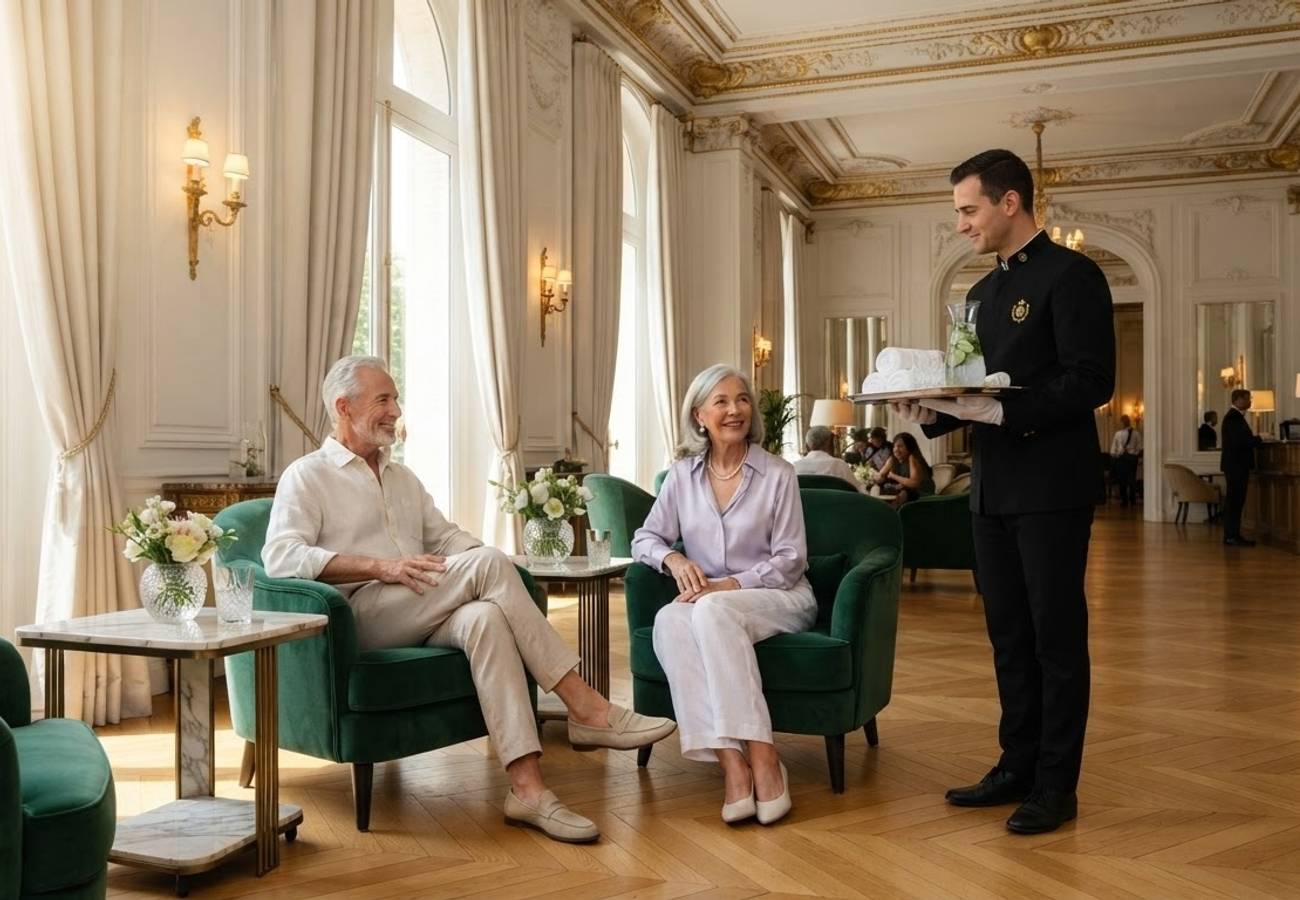
Image generated by AI
[London, July 6, 2026] — Hospitality operators across France, Italy, Spain, and the United Kingdom are fundamentally altering their service models as extreme summer heatwaves transition from rare events to recurring seasonal norms. According to climate advisories from the World Health Organization European Region, the increasing frequency and intensity of these heat events are compelling the travel industry to implement rapid adaptation strategies to ensure the safety of international travelers and local residents.
The shift represents a move toward "climate-adaptive hospitality," where the physical environment and the daily schedule of a guest stay are redesigned to mitigate the risks of heat stress. Industry reports indicate that luxury and upper-upscale properties are leading this transition, introducing a variety of immediate cooling interventions to maintain guest satisfaction.
Paris Hotels Implement Cooling Rituals and Temperature Management
In the French capital, luxury hotels are integrating "cooling rituals" into their standard operating procedures. To combat the rising urban heat, properties are deploying chilled water stations, facial misting sprays, and cold towel services specifically for guests arriving from outdoor transit.
Operational changes extend to housekeeping protocols; staff are now instructed to keep curtains drawn during room cleaning cycles to minimize solar gain and prevent indoor temperatures from spiking. Management teams are also actively influencing guest behavior by suggesting a revised daily itinerary. This involves promoting early morning sightseeing and encouraging "in-room luxury downtime" during the peak heat of the afternoon. By offering chilled room service dining and air-conditioned relaxation periods, Parisian hotels are prioritizing guest health over traditional tourist schedules.
Venice Resorts Modify Water Temperatures and Dining Flows
The hospitality sector in Venice is focusing on environmental modifications to manage temperatures that frequently exceed 35°C. Luxury waterfront resorts have integrated advanced water circulation systems to actively cool swimming pool temperatures, ensuring that these facilities remain viable cooling zones for guests during intense heat spikes.
Dining operations in Northern Italy have also seen a significant shift. To avoid the dangers of midday heat, outdoor terrace dining is being moved indoors. This change is accompanied by a shift in culinary offerings; traditional, heavy pasta-based menus are being supplemented or replaced by chilled dishes, fresh salads, and gelato. These adjustments are described by industry observers as operational necessities driven by both the physical environment and changing guest demands.
London Hospitality Introduces Hydration Kits and Indoor Wellness
Even in the traditionally temperate climate of the United Kingdom, London hotels are adopting experiential cooling strategies. Many properties have introduced complimentary ice cream trolleys in their lobbies to provide immediate relief to arriving guests. These are often paired with dedicated hydration stations offering chilled water and coconut water.
Some London-based hotels have also developed "sun kits," which are distributed to guests upon check-in. These kits typically contain high-SPF sunscreen, hydration supplements, and cooling wipes. Furthermore, there is a noticeable migration of wellness activities. Yoga sessions and creative workshops that were previously held outdoors are now being moved into climate-controlled indoor spaces to avoid the unpredictability of summer heat extremes.
Amalfi Coast Adopts Split-Day Tourism Models
On Italy’s Amalfi Coast, the approach to heat management has evolved into a complete restructuring of the tourist day. Resorts have implemented a "split-day tourism model" to protect guests from midday temperature peaks.
Under this model, high-energy activities such as hiking, boat excursions, and wellness retreats are scheduled exclusively for the early morning hours. The midday period is reserved for indoor rest and recovery. As temperatures drop in the evening, hotels are promoting night-based marine experiences and sunset cruises, including guided fishing trips. Hospitality managers report that this temporal shift is now essential for maintaining guest safety and overall satisfaction.
Operational Shifts Across Southern Europe
The broader trend across Southern Europe indicates that these are not merely temporary fixes but structural changes in tourism management. Industry data confirms that the relocation of dining services to indoor environments and the ubiquitous availability of hydration stations have become standard protocols.
Small-scale operational adjustments—such as increasing the number of shaded rest areas and expanding indoor programming—are now integrated into the standard operating procedures of most hotels in the region. This suggests a permanent evolution in how European tourism flows are managed in response to climatic pressure.
Infrastructure Investment and the HVAC Pivot
Beyond immediate service changes, there is a significant shift in long-term capital expenditure. Global hospitality consultancy reports indicate that air conditioning (HVAC) investment is no longer a luxury but a requirement for survival in many European markets.
Properties lacking reliable cooling systems are seeing a direct correlation with declining guest satisfaction scores and lower occupancy rates during the summer months. Consequently, renovation budgets are being redirected toward:
- High-efficiency HVAC systems and automated temperature controls.
- Solar energy integration to offset the cost of increased cooling.
- Energy-efficient cooling architecture to reduce the carbon footprint of climate control.
These investments are particularly critical for hotels catering to international markets, where air conditioning is viewed as a baseline standard of comfort.
Resilience of Tourism Demand Amidst Climate Stress
Despite the challenges posed by extreme weather, demand for European travel remains strong. Occupancy data shows that coastal destinations continue to see high visitor volumes, and the luxury segment continues to maintain significant pricing power.
Rather than abandoning these destinations, travelers are adapting their habits. This includes shifting the timing of their trips, prioritizing hotels with documented climate-resilience infrastructure, and selecting coastal locations where sea breezes provide natural relief.
The European hospitality sector is transitioning into a climate-responsive era. Hotels are evolving from simple providers of accommodation into managed environments designed to safeguard guest health and mobility. From the urban centers of Paris and London to the coasts of Italy, the industry is redefining the guest experience to ensure that tourism remains viable in a warming world.
The transformation of European hotels into cooling sanctuaries marks a pivotal shift in the global travel industry's approach to climate resilience.
Related Travel Guides
Disclaimer
This article is for informational and educational purposes only. It does not constitute legal, financial, or professional advice. While we strive to provide accurate and up-to-date information, travel policies, regulations, and conditions change rapidly. Always verify information with official sources before making travel decisions. Nomad Lawyer makes no representations about the accuracy, reliability, completeness, or suitability of the information provided. Readers should consult qualified professionals for advice specific to their circumstances. The views expressed in this article are those of the author and do not necessarily reflect the views of Nomad Lawyer.
Kunal K Choudhary
Co-Founder & Contributor
A passionate traveller and tech enthusiast. Kunal contributes to the vision and growth of Nomad Lawyer, bringing fresh perspectives and driving the community forward.
Learn more about our team →