
Europe Heat Wave Threatens Peak Summer Tourism Season 2026
Record-breaking temperatures across Europe collide with peak summer travel season in 2026, affecting millions of tourists visiting iconic attractions. Learn how extreme heat impacts your European vacation plans.

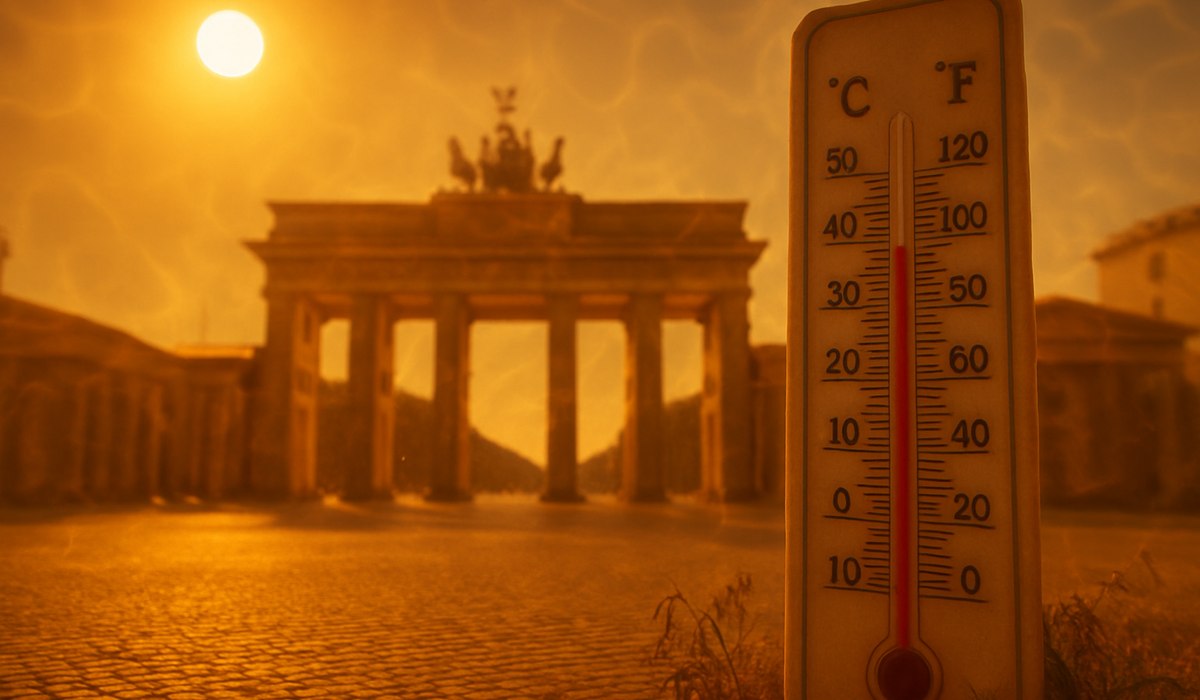
Image generated by AI
Europe's Record Heat Wave Collides with Peak Summer Tourism
Europe is experiencing unprecedented temperatures during its busiest travel season. Millions of tourists are arriving at the continent's most celebrated destinations just as Europe's heat wave reaches critical levels, creating dangerous conditions for visitors and local communities alike. From Mediterranean beaches to alpine mountain towns, elevated temperatures are reshaping the European summer travel landscape in 2026.
The timing is particularly challenging. Peak season typically runs from June through August, drawing maximum crowds to landmarks like the Colosseum in Rome, the Eiffel Tower in Paris, and Barcelona's Sagrada Familia. This convergence of record heat and tourism surge demands immediate attention from travelers and tourism operators.
Which European Attractions Face the Greatest Heat Impact
Southern European tourist attractions are experiencing the most severe effects. Spain, Italy, and Greece have reported temperature records exceeding historical averages by 10-15 degrees Celsius. In Athens, visitors to the Acropolis face heat indices reaching 50°C (122°F). Rome's Colosseum attracts thousands daily despite conditions that make prolonged outdoor exposure potentially dangerous.
Portugal's Lisbon experiences similar challenges at its iconic neighborhoods and viewpoints. Barcelona's beaches, normally refreshing escapes, are becoming dangerously hot. France's lavender-covered Provence region and Mediterranean coastal towns face evacuation risks during peak visiting hours.
Northern European destinations offer slightly more moderate conditions but still experience unprecedented summer temperatures. London's historic districts, Amsterdam's canal walks, and Berlin's open-air museums all require adjusted touring schedules. Even traditionally cool destinations like Scotland and Norway report unusual summer heat patterns that affect outdoor activities and accommodation comfort.
How Extreme Temperatures Affect Tourist Experience and Safety
Europe's heat wave directly compromises visitor safety and enjoyment. Museums offer temporary refuge but develop overwhelming crowds as tourists seek air-conditioned escape. Extended museum queues can exceed four hours. Outdoor attractions close during peak heat hours—typically 12 PM to 6 PM—limiting sightseeing windows.
Heat-related illnesses spike among travelers unfamiliar with extreme conditions. Emergency services report increased hospital admissions for heat exhaustion and dehydration among international visitors. Elderly tourists and those with cardiovascular conditions face elevated risks.
Transportation systems struggle under thermal stress. Trains experience delays due to rail buckling. Airports extend security wait times as cooling systems work overtime. Public transportation becomes unbearably crowded as people seek shade and air conditioning. Flight delays occur frequently due to equipment thermal limitations and runway surface expansion.
Infrastructure deterioration accelerates during heat waves. Road surfaces crack and buckle. Historic building foundations shift slightly. Archaeological sites close to protect irreplaceable artifacts. UNESCO World Heritage locations implement reduced visitor numbers to prevent permanent damage.
Tourist spending patterns change during extreme heat. Visitors reduce outdoor activities, affecting local vendors, tour operators, and street performers. Restaurant and café seating moves entirely indoors or closes. Beach visits decline despite summer season, impacting coastal tourism economies.
Climate Change and the Future of European Summer Tourism
Scientists attribute intensifying European heat waves to climate change patterns. Rising global temperatures create atmospheric conditions favoring prolonged extreme heat events. The European Environment Agency warns that summer 2026 represents a new normal rather than an anomaly.
Tourism boards project significant shifts in travel seasonality. Spring and autumn tourism will likely increase as summer becomes increasingly difficult. Winter sports regions may lose snow reliability, requiring investment in alternative activities. Coastal tourism faces threats from sea-level rise and changing weather patterns.
Adaptation investments are becoming urgent. Cities install additional water fountains and cooling centers. Hotels upgrade air conditioning systems. Tourism operators develop shoulder-season promotions. Some destinations implement visitor caps during peak heat periods.
Practical Advice for Travelers Visiting During Heat Events
Smart planning ensures safety during Europe's current heat wave. Adjust your itinerary timing to visit outdoor attractions early morning (before 10 AM) or evening (after 6 PM). Book major attractions with timed entries to avoid peak heat hours. Reserve indoor activities like museums and galleries for midday periods.
Stay hydrated obsessively. Carry at least 2-3 liters of water daily. Use electrolyte replacement drinks rather than water alone. Limit alcohol consumption, which accelerates dehydration. Eat light, frequent meals rather than heavy lunches.
Wear appropriate clothing designed for heat. Choose lightweight, light-colored, loose-fitting garments made from breathable fabrics. Invest in quality sunscreen (SPF 50+) and reapply every two hours. Wear wide-brimmed hats and sunglasses protecting UV exposure.
Consider alternative destinations. Northern European countries and mountain regions experience more comfortable temperatures. Traveling slightly north from traditional hotspots provides meaningful temperature relief while maintaining cultural experiences.
Best Time to Visit Europe Amid Current Heat Conditions
June's first two weeks and late August through September offer improved conditions. September particularly provides excellent weather with reduced crowds. Spring (April-May) delivers pleasant temperatures without summer's intensity.
Avoid peak July heat by visiting in June's opening weeks. Early June typically reaches 25-28°C in southern regions—manageable for active tourism. Late May offers even better conditions with spring's lingering coolness.
Winter and early spring attract growing numbers of travelers seeking climate comfort. November through March, while cooler and occasionally rainy, avoid dangerous heat conditions entirely. Many attractions remain open with reduced crowds and shorter wait times.
How to Get There
European cities maintain extensive international transportation networks. Major airlines serve all significant tourist destinations with direct flights from North American, Asian, and Middle Eastern hubs. Book flights arriving early morning to maximize daylight sightseeing hours.
Budget airlines offer frequent connections between European cities, enabling multi-destination visits. Train networks provide scenic, comfortable transit without driving stress. High-speed rail connects major cities efficiently. Overnight trains reduce accommodation costs while maximizing sightseeing time.
Ground transportation during heat events requires planning. Rent vehicles with reliable air conditioning. Use ride-sharing services rather than taxis during peak heat hours. Public transportation operates, but discomfort levels increase significantly. Regional buses offer affordable options but lack air conditioning in many areas.
Key Heat Wave Impact Data
| Metric | Value | Impact |
|---|---|---|
| Temperature records broken | 12 countries | All-time highs in June 2026 |
| Southern regions exceeding normal | +10-15°C | Dangerous heat indices above 48°C |
| Museum queue increases | 300-400% | Peak hour waits extend 4+ hours |
| Emergency hospital admissions | +45% increase | Heat-related illnesses surge |
| Tourism revenue affected | Estimated €2.3B | Reduced spending during peak hours |
| Attractions with operational limits | 60+ major sites | Reduced hours, visitor caps implemented |
What This Means for Travelers
-
Reschedule outdoor activities. Visit famous landmarks during early morning (7-10 AM) or late evening (6-8 PM) windows when temperatures remain manageable and crowds thin.
-
Prioritize hydration obsessively. Purchase electrolyte replacement drinks at pharmacies or supermarkets. Refill water bottles at public fountains found throughout major cities. Dehydration speeds dangerously during heat exposure.
-
Purchase comprehensive travel insurance. Policies covering heat-related illnesses provide medical coverage and trip cancellation protection. Standard policies may exclude extreme weather claims.
-
Book attractions with flexible scheduling. Choose timed-entry tickets allowing rescheduling without penalties. Many major attractions now offer weather protection guarantees.
-
Shift travel dates when possible. Moving trips to September or late May dramatically improves comfort and safety. Early summer or shoulder seasons provide superior experiences.
-
Select northern European alternatives. Scandinavia, Baltic states, and Scotland offer cultural richness with significantly cooler temperatures. These destinations see increased 2026 tourism as alternatives to heat-stricken regions.
Frequently Asked Questions
**Is it safe to visit Europe during current heat wave
Disclaimer
This article is for informational and educational purposes only. It does not constitute legal, financial, or professional advice. While we strive to provide accurate and up-to-date information, travel policies, regulations, and conditions change rapidly. Always verify information with official sources before making travel decisions. Nomad Lawyer makes no representations about the accuracy, reliability, completeness, or suitability of the information provided. Readers should consult qualified professionals for advice specific to their circumstances. The views expressed in this article are those of the author and do not necessarily reflect the views of Nomad Lawyer.
Raushan Kumar
Founder & Lead Developer
Full-stack developer with 11+ years of experience and a passionate traveller. Raushan built Nomad Lawyer from the ground up with a vision to create the best travel and law experience on the web.
Learn more about our team →