
European Travel Surcharges Mount as Fuel Prices Surge Over 34%: Saudi-Houthi Conflict Drives Continental Energy Shock

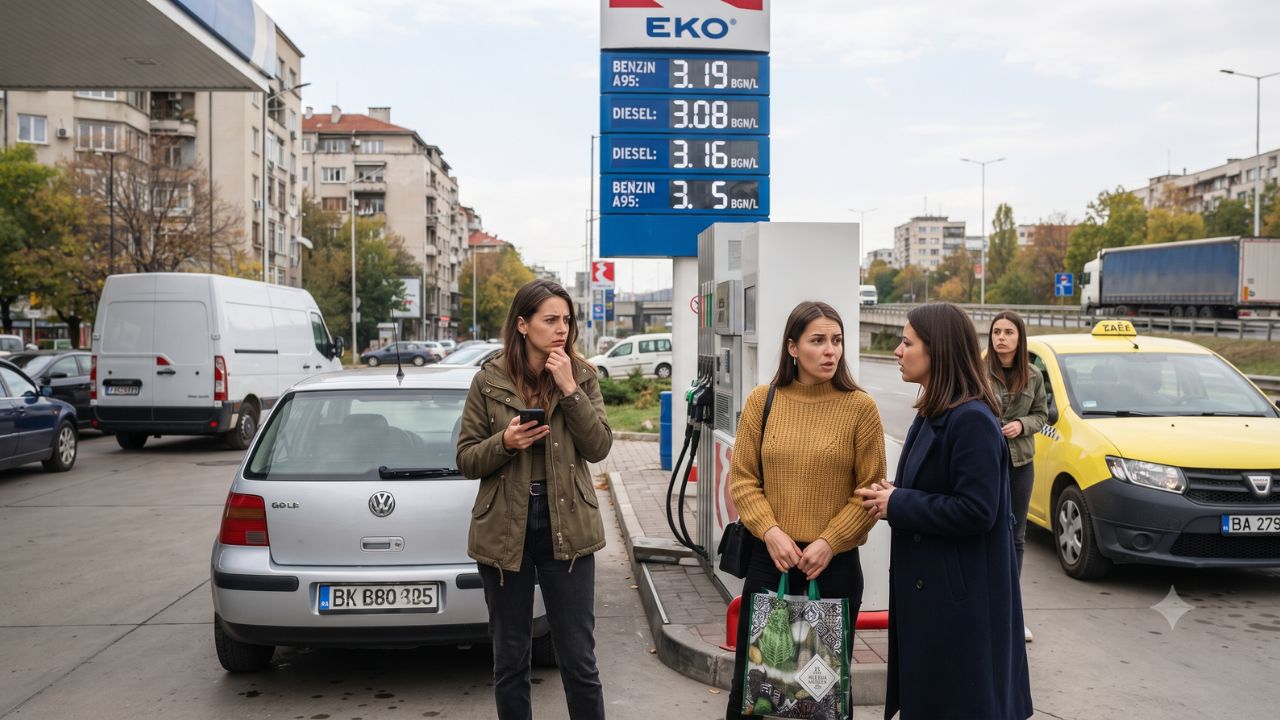
With Brent crude benchmark oil trading firmly above US$106 per barrel following intensified military strikes by Houthi forces against Saudi Arabian energy infrastructure and Red Sea shipping lanes, average diesel prices across the European Union surged 34.8% between late February and early October 2026 to reach €2.149 per liter. Driving the cost of refuelling a standard 50-liter passenger vehicle to €107.45—a direct €27.75 surcharge in just eight months—the energy shock has triggered national fuel inflation reaching 54.2% in Bulgaria and 46.9% in Finland, confronting transport operators and autumn holidaymakers with compounding travel surcharges. Across the same timeframe, average continental petrol prices advanced 22.5% from €1.637 to €2.006 per liter, eroding household discretionary vacation budgets from Scandinavia to the Mediterranean basin.
The inflationary spike stems from an acute middle-distillate deficit compounded by maritime transit reroutings around the Cape of Good Hope. According to market warnings issued by the International Energy Agency (IEA), global diesel inventories have experienced unseasonal pre-winter drawdowns, leaving European distributors competing for limited refined imports ahead of peak heating and transport demand.
Geopolitical Catalysts and the Refining Chokepoint
The direct cause of the current energy volatility centers on the escalation of armed hostilities between Iranian-backed Houthi forces in Yemen and Saudi Arabian defensive installations. Cross-border missile and drone strikes targeting crude storage complexes, processing refineries, and export terminals have injected heavy geopolitical risk premiums into physical oil contracts. Concurrently, maritime commercial shipping through the Bab el-Mandeb strait remains restricted, forcing refined product tankers to execute multi-week detours around southern Africa.
This logistics detour adds immense freight tariffs and delays inventory turnover at primary European refining centers like Rotterdam and Antwerp-Bruges. With refining margins stretched, transport logistics firms and long-haul motorcoach operators have been forced to implement rolling fuel surcharges to remain solvent.
In response, national governments are pursuing divergent mitigation paths under the auspices of the European Commission Energy Directorate. Major industrial economies have mobilized strategic petroleum stockpiles, with Germany committing to release up to 15 million barrels of emergency crude and France participating in coordinated multinational stock releases. Conversely, smaller economies facing acute affordability crises are resorting to direct fiscal subsidies, exemplified by Bulgaria’s €300 million relief package designed to absorb inflationary shocks for commercial hauliers and retail motorists.
Cross-National Comparison: Diesel and Petrol Price Trajectories
The table below delineates the verified fuel price increases, absolute pump rates, and primary travel sector exposures across European economies as of October 2026:
| European Nation | Diesel Price (Early Oct 2026) | Diesel Inflation vs Feb 2026 | Petrol Price (Early Oct 2026) | Petrol Inflation vs Feb 2026 | Primary Travel & Economic Vulnerability |
|---|---|---|---|---|---|
| Bulgaria | €1.893 / liter | +54.2% (Highest EU Surge) | €1.663 / liter | +36.5% | Black Sea tourism (Varna, Sunny Beach); cross-border road freight |
| Estonia | €2.096 / liter | +50.7% | €1.945 / liter | +33.9% | Baltic intercity coach travel; port logistics connecting Tallinn |
| Finland | €2.553 / liter | +46.9% | €2.370 / liter | +38.4% (Highest EU Petrol Surge) | Arctic long-distance transit; Lapland winter tourism transfers |
| Belgium | €2.349 / liter | +44.4% | €1.959 / liter | +30.3% | Port of Antwerp-Bruges freight flows to Germany & France |
| Cyprus | €2.030 / liter | +44.4% | €1.744 / liter | +32.9% | Paphos & Ayia Napa hotel shuttles; island supply import costs |
| Czechia | €1.952 / liter | +43.2% | €1.847 / liter | +34.6% | Central European highway freight; Prague city break transfers |
| France | €2.355 / liter | +42.7% | €2.212 / liter | +29.4% | Alpine ski resort access; domestic agricultural road haulage |
| Germany | €2.250 / liter | +41.6% (vs €1.59 in 2025) | Elevated Baseline | ~28.0% | Heavy industrial component transit; 15M-barrel strategic release |
| Denmark | €2.488 / liter | +39.8% | €2.605 / liter | Extreme Absolute Peak | High baseline fuel excise taxes; rapid EV transit substitution |
| Greece | €2.166 / liter | +39.9% | €2.203 / liter | +26.8% | Island ferry networks (Crete, Rhodes, Cyclades) & local delivery |
| Spain | €1.918 / liter | +34.8% | €1.849 / liter | +25.7% | Coastal holiday coach excursions; intercity transport routes |
| Italy | €2.273 / liter | +33.5% | €2.073 / liter | +25.3% | Amalfi, Tuscany, and Sicilian ferry and road transfer operations |
| Poland | €1.764 / liter | +23.9% (Lowest EU Rise) | Lower Baseline | ~20.5% | Large international trucking fleet exposed to external margins |
| United Kingdom | +40.0%+ | ~£1.85 / liter | ~30.0% | £2.5B annual cost surge for light commercial & van transport |
Sources: Compiled from European Commission Weekly Oil Bulletin, national energy ministry releases, and International Energy Agency comparative datasets.
Structural Vulnerabilities Across Tourism and Commercial Logistics
The asymmetric distribution of fuel inflation creates distinct operational challenges depending on regional geography:
- Island and Archipelagic Economies: In nations like Greece and Cyprus, fuel is consumed in multi-stage logistics chains. Goods and travelers flying into Athens or Larnaca must be transferred via diesel-powered coastal ferries or private buses to reach destinations such as Santorini, Rhodes, or Paphos. The compounding effect of maritime marine gasoil surcharges and highway diesel spikes heavily inflates holiday food, beverage, and local excursion prices.
- Peripheral and Arctic Destinations: Finland and Estonia demonstrate the penalty of geographic distance. With Finland recording the European Union's steepest relative petrol rise (+38.4%) to €2.370 per liter and diesel reaching €2.553 per liter, long-distance coach excursions into Lapland face immense cost pressures. Tour operators cannot absorb 40%-plus fuel surges without revising retail package prices.
- Eastern European Freight Arteries: Bulgaria’s staggering 54.2% diesel jump represents the most severe cost shock on the continent. Because Bulgaria functions as an international transit gateway between Turkey and Central Europe, fuel inflation cascades directly into road freight rates, elevating grocery prices and inflating ground transfer costs along the Black Sea coast.
Expert Analysis: Aviation Fuel Surcharges, Tour Package Margins, and Traveler Defense
The macroeconomic fallout of the European fuel surge extends directly into commercial aviation and packaged leisure travel. Because jet fuel (kerosene) prices track Brent crude benchmarks with a refining crack spread, commercial airlines are confronting sudden operating cost escalations heading into the winter scheduling season.
According to financial impact assessments monitored by the International Air Transport Association (IATA), jet fuel accounts for roughly 30% to 35% of total airline operating expenses. For travelers booking this route, the direct consequence is the aggressive reinstatement of variable fuel surcharges on long-haul and regional tickets, alongside the rapid reduction of promotional seat sales across legacy and budget carriers alike.
In the packaged travel sector, tour operators operating under European package travel regulations face compressed profit margins. The pricing pressure this creates means independent coach tour companies, car rental agencies, and destination management companies are unbundling services—charging separate fees for airport luggage transfers, imposing daily vehicle mileage caps, and introducing dynamic fuel surcharges at vehicle pickup counters.
To protect discretionary travel capital, independent tourists must adjust booking tactics. Renting electric vehicles (EVs) in nations with mature charging networks like Denmark and Luxembourg provides insulation against €2.60-per-liter petrol prices. For regional travel across Central Europe, shifting long-distance segments to electrified high-speed rail corridors bypassing highway tolls and fuel retail forecourts represents the single most effective hedge against continuing Middle Eastern energy volatility.
Key Takeaways
- EU-Wide Energy Shock: Average EU diesel prices jumped 34.8% to €2.149 per liter between February and October 2026, while petrol climbed 22.5% to €2.006 per liter.
- Geopolitical Driver: Escalating military strikes by Houthi forces on Saudi energy infrastructure and Red Sea shipping routes pushed Brent crude above US$106 per barrel.
- Bulgaria and Finland Hardest Hit: Bulgaria suffered the steepest diesel surge in Europe at +54.2% (€1.893/L), while Finland recorded record petrol inflation of +38.4% (€2.370/L).
- Significant Consumer Penalty: Refuelling a standard 50-liter vehicle tank now costs €107.45, imposing an immediate €27.75 cost penalty compared to early 2026 baselines.
- Strategic Stockpile Intervention: Germany authorized the release of 15 million barrels from strategic reserves as European logistics and tourism sectors absorb rising freight fees.
FAQ: European Fuel Shock and Travel Costs 2026
Why have European fuel prices risen over 34% in 2026?
Fuel prices surged due to military strikes by Houthi rebels targeting Saudi Arabian energy assets and Red Sea shipping corridors, combined with depleted global diesel inventories and crude prices topping $106 per barrel.
Which European country experienced the highest fuel price increase?
Bulgaria recorded the highest diesel inflation in the EU with a 54.2% jump to €1.893 per liter, while Finland experienced the highest petrol surge at 38.4%, reaching €2.370 per liter.
How does the fuel crisis affect flight tickets and airline fares?
Airlines are passing higher jet fuel expenses to consumers by increasing fuel surcharges on long-haul and regional tickets, while reducing the availability of discounted economy seats.
What steps are European governments taking to relieve fuel costs?
Responses vary by state: Germany is releasing 15 million barrels of emergency oil stocks, France is participating in IEA reserve drawdowns, and Bulgaria introduced a €300 million domestic relief package.
[In a globalized travel economy, an aerial strike on an Arabian oil facility echoes instantly at European fuel pumps and airport departure gates.]
Related Travel Guides
- EUROCONTROL Airspace Congestion Fractures Mediterranean Schedules: Spain, France, and Greece Generate 60% of Flight Delays
- Bali Petrol Shortage Disrupts Island Transit: Pertamina Mobilizes 57.9M-Liter Emergency Influx Amid Tanker Delays
- Mexico Pacific Coast Faces Compounded Cyclone Threats: Hurricane Simon Residuals and Tropical Storm Trudy Menace Resorts
Disclaimer
This article is for informational and educational purposes only. It does not constitute legal, financial, or professional advice. While we strive to provide accurate and up-to-date information, travel policies, regulations, and conditions change rapidly. Always verify information with official sources before making travel decisions. Nomad Lawyer makes no representations about the accuracy, reliability, completeness, or suitability of the information provided. Readers should consult qualified professionals for advice specific to their circumstances. The views expressed in this article are those of the author and do not necessarily reflect the views of Nomad Lawyer.
Naina Thakur
Contributor & Travel Specialist
Travel enthusiast and legal writer covering visa regulations, responsible tourism, and cultural journeys across global destinations.
Learn more about our team →