
Europe Energy & Travel Alert 2026: 36 Nations Declare Emergency Amid Strait of Hormuz Blockade and Jet Fuel Shortage
Over 36 European nations have declared an immediate energy and travel emergency as the Strait of Hormuz blockade severs oil and LNG flows, triggering critical jet fuel shortages.

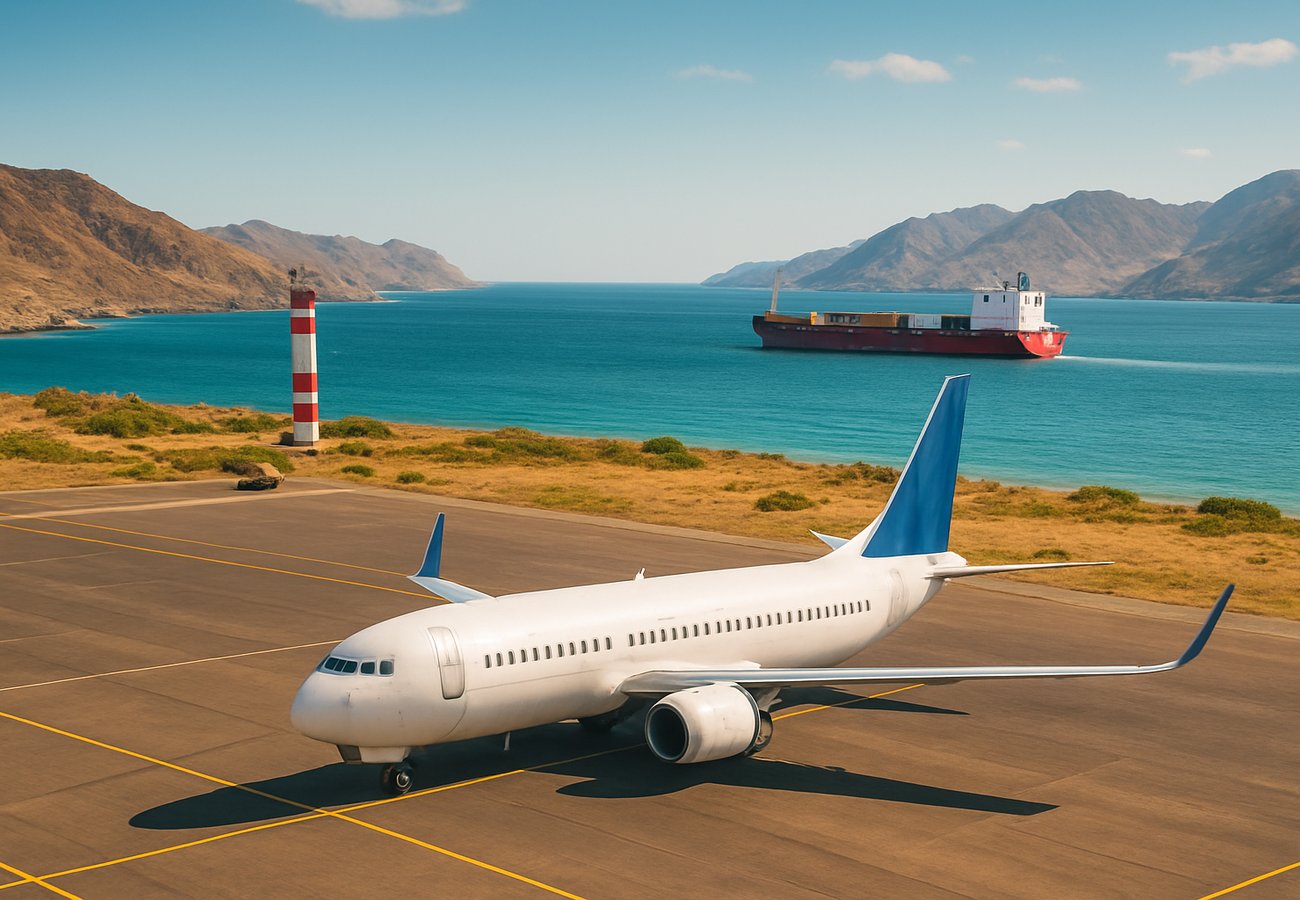
Image generated by AI
Quick Summary
- Emergency Declaration: Over 36 European nations have entered an immediate energy and travel emergency as of May 7, 2026.
- Geopolitical Trigger: A military standoff has resulted in an end-to-end blockade of the Strait of Hormuz, a critical oil and LNG chokepoint.
- Supply Chain Rupture: Energy flows from the UAE, Qatar, Oman, Jordan, and Kuwait to Europe have been largely severed.
- Aviation Impact: A critical jet fuel shortage is forcing major carriers like Air France to slash routes and implement massive fare hikes.
- Energy Prices: Oil and LNG (Liquefied Natural Gas) prices have reached record highs, causing electricity and gasoline costs to spike across the continent.
- Industrial Strain: Manufacturing sectors in Germany and France are facing potential production halts due to soaring operational costs.
- Mediterranean Risk: Italy, Spain, and Portugal are reporting severe inflation and disruptions to industrial output.
- Source: European Commission Energy Security Bureau and IATA emergency reports as of May 7, 2026.
Europe has officially declared a state of "Energy and Travel Emergency" as the ongoing blockade of the Strait of Hormuz cripples the continent's fuel supply chains. On May 7, 2026, thirty-six nations—led by industrial giants France and Germany—confirmed that the military standoff in the Persian Gulf has halted critical shipments of oil and LNG from key suppliers like Qatar and the UAE. This disruption has triggered a systemic jet fuel shortage, making international aviation increasingly unsustainable and forcing airlines to prioritize emergency routes. Beyond the airports, the crisis is manifesting as record-high electricity prices and gasoline shortages, putting millions of households and businesses under immense financial strain. As the European Commission scrambles to diversify energy imports and accelerate the shift to renewables, the continent faces a historic test of its economic and logistical resilience in the face of absolute energy insecurity.
Europe Fuel Crisis 2026: Emergency Levels by Nation
The following table summarizes the severity of the fuel and energy crisis across key European nations as of May 7, 2026.
| Nation | Fuel Emergency Level | Primary Impact Area |
|---|---|---|
| France | Severe | Aviation & Transportation |
| Germany | Severe | Manufacturing & Logistics |
| Italy | Severe | Industrial Output & Inflation |
| Denmark | Severe | Regional Trade & Shipping |
| Netherlands | Severe | Port Operations & LNG Hubs |
| Portugal / Spain | Severe | Coastal Tourism & Cost of Living |
| Poland / Romania | Severe | Supply Chain Stability |
| Hungary / Czech Rep. | Severe | Central European Logistics |
| Belgium / Finland | Severe | High-Energy Manufacturing |
Geopolitical Chokepoint: The Strait of Hormuz Blockade and Global Energy Flow
The blockade of the Strait of Hormuz has thrown the global energy market into unprecedented disarray:
- Military Standoff: Ongoing tensions between the U.S., Iran, and regional powers have brought global shipping in the Persian Gulf to a standstill.
- LNG Shutdown: Qatar, a vital source of Liquefied Natural Gas for Europe, is currently unable to export its reserves through the narrow waterway.
- Price Volatility: The sudden removal of nearly 20% of the world's oil supply from the market has sent prices into a "skyward spiral."
36 Nations on High Alert: The Systematic Collapse of European Fuel Reserves
The scale of the emergency is pan-European, affecting every major economy:
- Coordinated Emergency: For the first time in decades, 36 nations have simultaneously triggered emergency energy protocols.
- Strategic Reserves: Nations are beginning to tap into their strategic petroleum reserves (SPR) to maintain essential services like defense and emergency transport.
- Public Services: Electricity costs are rising sharply as natural gas supplies dwindle, forcing many governments to implement energy-saving mandates.
France and Germany: Industrial Giants Grapple with Soaring Operational Costs
Europe's economic engines are the most vulnerable to the high-cost environment:
- France: The transportation and aviation sectors are facing catastrophic losses, with Air France slashing routes to manage the fuel deficit.
- Germany: The manufacturing heartland is struggling with inflated production costs, leading to fears of potential job losses and industrial stagnation.
- National Security: Both nations have called for an urgent European-wide effort to secure alternative fuel sources outside of the Middle East.
The Aviation Emergency: Slashing Routes and Inflationary Fares
The jet fuel shortage is the most immediate threat to the travel industry:
- Carrier Crisis: Air France and other major European airlines are experiencing a "historic supply crunch," leading to ticket prices beyond the reach of average customers.
- Tourism Decline: Southern European nations, which rely heavily on air-bound tourists, are expecting a dismal summer season as travel demand evaporates.
- Logistical Failures: Air cargo services, vital for global supply chains, are also seeing reduced capacity and increased surcharges.
Mediterranean Vulnerability: Italy, Spain, and Portugal Face Record High Gasoline Prices
Energy-dependent southern nations are facing an acute cost-of-living crisis:
- Import Dependency: Italy and Spain rely heavily on imported fossil fuels, making them immediate victims of price hikes.
- Inflationary Pressure: High gasoline prices are driving up the cost of food and basic services, leading to widespread economic instability.
- Renewable Pivot: Governments in Lisbon and Madrid are accelerating plans for solar and wind power, though these transitions cannot solve the immediate fuel shortage.
Eastern Europe Strain: Poland, Romania, and Hungary Face Manufacturing Disruptions
The energy shock is rippling through the logistics hubs of Central and Eastern Europe:
- Logistics Hubs: The Netherlands and Hungary are seeing their roles as critical trade gateways undermined by the lack of oil and LNG flow.
- Economic Strain: Poland and Romania are grappling with rising inflation and the disruption of critical manufacturing supply chains.
- Infrastructure Risk: Several countries depend heavily on fuel imports to maintain their national defense and infrastructure capabilities.
Strategic Response: European Commission’s Push for Diversification and Renewables
The EU is attempting to navigate a path out of the absolute energy dependency:
- Diversification Mandate: The European Commission is exploring new agreements with energy suppliers in North America and North Africa.
- Green Acceleration: There is a collective push to bolster alternative energy production to mitigate the risks posed by Middle Eastern instability.
- Strategic Reserve Management: Discussions are centered on a coordinated overhaul of EU energy policy to increase long-term security.
Conclusion: A Long Road to Energy Stability for the European Union
The May 7, 2026, emergency declaration by over thirty-six European nations marks a pivotal moment in the continent’s geopolitical history. By facing an immediate jet fuel shortage and skyrocketing oil costs due to the Strait of Hormuz blockade, Europe has been forced to confront the fragility of its energy infrastructure. While the shift toward renewables and the diversification of imports offer a long-term solution, the immediate economic and logistical damage is severe. As aviation routes are slashed and industrial output falters, the priority remains securing energy supplies and minimizing the inflationary impact on citizens. Whether this crisis ends through diplomacy or escalates further, the lessons of 2026 will undoubtedly redefine Europe’s energy policy and its approach to global travel for the next generation.
FAQ: Europe Energy & Travel Emergency 2026
Which European countries are most affected by the fuel shortage? France, Germany, Italy, Netherlands, Portugal, and Spain are among the 36 nations declaring a severe energy emergency.
Why is there a jet fuel shortage in Europe right now? A military blockade of the Strait of Hormuz has halted oil and LNG shipments from major suppliers like Qatar and the UAE.
Will my flight to Europe be canceled? Many airlines are slashing secondary routes and increasing fares. Travelers should check with their carrier immediately for status updates.
Related Travel Alerts
Disclaimer
This article is for informational and educational purposes only. It does not constitute legal, financial, or professional advice. While we strive to provide accurate and up-to-date information, travel policies, regulations, and conditions change rapidly. Always verify information with official sources before making travel decisions. Nomad Lawyer makes no representations about the accuracy, reliability, completeness, or suitability of the information provided. Readers should consult qualified professionals for advice specific to their circumstances. The views expressed in this article are those of the author and do not necessarily reflect the views of Nomad Lawyer.
Kunal K Choudhary
Co-Founder & Contributor
A passionate traveller and tech enthusiast. Kunal contributes to the vision and growth of Nomad Lawyer, bringing fresh perspectives and driving the community forward.
Learn more about our team →