
New Historic Sites and Museums Reshape European Cultural Tourism
Secret Cold War bunkers, contemporary museums, and coastal trails in Italy, Belgium, and the UK offer fresh travel destinations across Europe in H2 2026.

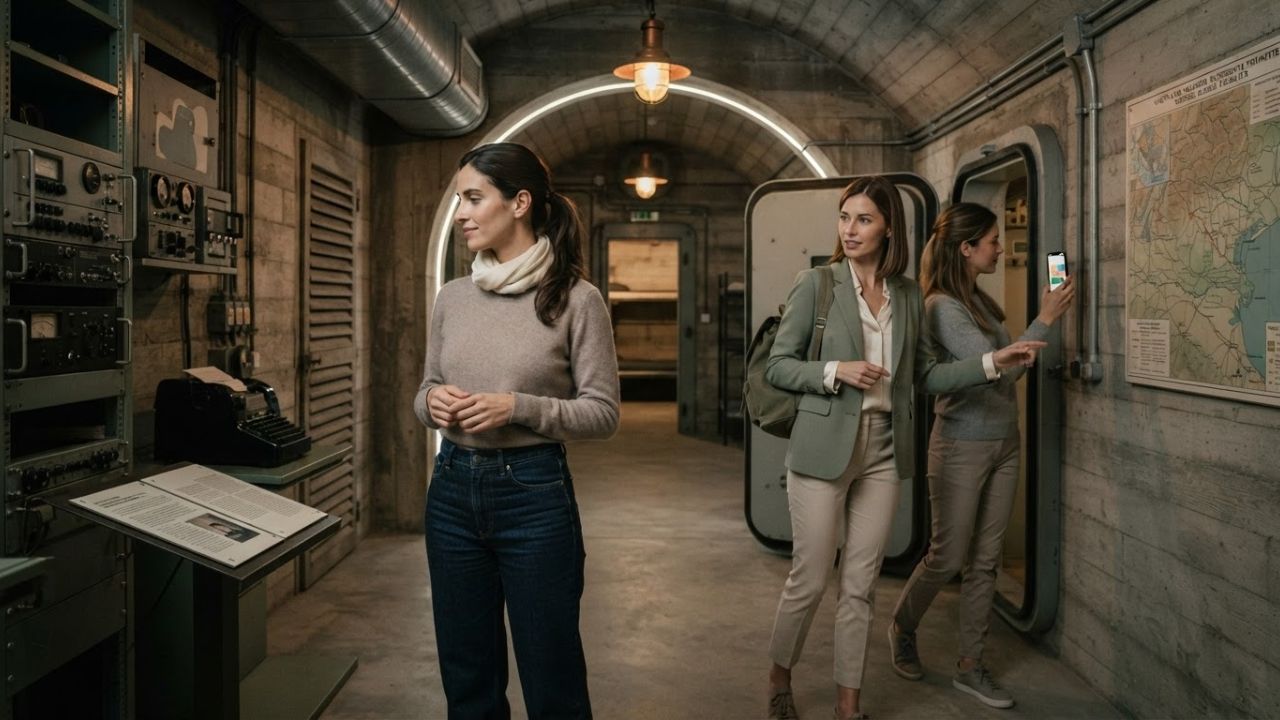
Image generated by AI
A new wave of historic landmarks, large-scale museums, and outdoor routes is redefining European cultural travel in H2 2026. From Italy's underground Cold War West Star bunker to Brussels' KANAL-Centre Pompidou and England's long-distance coastal path, these developments expand visitor interest beyond traditional sites.
The tourism market in Europe is observing a significant realignment, with regional planners developing former military facilities, industrial spaces, and coastal paths into new visitor attractions. These emerging destinations help broaden the continent's tourism appeal beyond familiar landmarks. The trend is especially important for regional economies, as cultural travel accounts for almost 40% of European tourism, with cultural visitors spending 38% more per day and staying 22% longer than general leisure tourists. From the hills of northern Italy to the galleries of East London, these projects offer travelers a fresh look at twentieth-century geopolitics, modern art, and protected coastal scenery.
For the traveler, the real impact of these new sites is the opportunity to explore less-crowded regions with rich historical narratives. By planning itineraries around these emerging cultural projects, tourists can enjoy unique, high-quality learning experiences while supporting local communities.
Emerging Cultural and Historic Attractions in Europe
A range of new cultural and historic spaces across the continent are driving regional integration and visitor interest:
1. West Star Bunker, Affi, Italy
Located in the hills near Affi, close to Verona and Lake Garda, this former NATO underground command fortress covers approximately 13,000 square metres. Built during the Cold War between 1960 and 1966, the facility entered service in July 1966 and served as a secret communications center designed to protect 300 personnel for 30 days against nuclear, chemical, and biological threats. The Italian Parliament has approved €7 million for its conversion into a museum, with full completion targeted for 2029. The museum is expected to welcome approximately 100,000 visitors annually, offering three distinct routes for general visitors, families, and military history specialists to explore the war room, original canteen, and 1960s technological systems.
2. KANAL-Centre Pompidou, Brussels, Belgium
Occupying a former industrial complex, this massive contemporary art space covers approximately 40,000 square metres. The museum is scheduled to open on 28 November 2026, featuring 10 opening exhibitions that bring major modern artworks from the Centre Pompidou collection to Brussels. The venue includes brasseries, reading rooms, play areas, and a rooftop space.
3. V&A East Storehouse, London, United Kingdom
Located at Queen Elizabeth Olympic Park in Stratford, this 16,000-square-metre facility opened in 2025, offering public access to more than 250,000 objects, 350,000 library books, and over 900 archives from the Victoria and Albert Museum collections. The site allows visitors to experience conservation, research, and storage areas alongside curated displays, with free, step-free access throughout the building.
4. Hohenzollern Crypt, Berlin, Germany
Situated beneath Berlin Cathedral, this historic crypt covers approximately 1,500 square metres and contains 91 coffins and sarcophagi of the Hohenzollern dynasty. Following six years of restoration, the crypt reopened on 1 March 2026 with a new digital visitor concept, offering tourists a concentrated experience of German dynastic history adjacent to Berlin's central Museum Island.
5. King Charles III England Coast Path, United Kingdom
This long-distance route covers approximately 4,303 kilometres of England's coastline, linking beaches, seaside villages, cliffs, and national parks. Most sections are operational, encouraging slow travel and supporting small coastal communities by directing visitor spending to local hospitality businesses along the trail.
6. Espai Manolo Valdés, Valencia, Spain
Scheduled for late 2026, this new cultural venue will present sculptures by the locally born artist, Manolo Valdés. The project aligns with Valencia's sustainability goals, as the region became the first in Spain to receive AENOR certification for its Tourism Sustainability Strategy 2024–2028.
New Cultural Attractions and Projected Impact
| New attraction | Destination | Key data | Probable tourism impact |
|---|---|---|---|
| West Star Bunker | Affi, Italy | 13,000 sq m; €7 million funding; target completion 2029 | Adds Cold War heritage to Lake Garda itineraries |
| KANAL-Centre Pompidou | Brussels, Belgium | 40,000 sq m; opening 28 November 2026 | Strengthens Brussels as a contemporary-art destination |
| V&A East Storehouse | London, UK | 16,000 sq m; 250,000+ objects | Expands cultural tourism into East London |
| Hohenzollern Crypt | Berlin, Germany | 1,500 sq m; 91 coffins | Adds a major historic experience to Museum Island |
| King Charles III England Coast Path | England, UK | 4,303 km planned route | Encourages long-distance and regional tourism |
| Espai Manolo Valdés | Valencia, Spain | New cultural venue planned for 2026 | Adds contemporary sculpture to Valencia’s tourism offer |
Ecotourism and Community Support in Europe
Sustaining the delicate environments of these emerging cultural destinations requires travelers to adopt low-impact travel habits. For the traveler, the real impact of cultural travel is the opportunity to practice slow travel. By choosing public transport networks—such as electric regional trains connecting Verona with Affi, or the Brussels metro system—visitors help reduce traffic congestion and localized carbon emissions.
Travelers can support local economies by staying in family-run bed and breakfasts along the English Coast Path, dining at independent cafes in East London, and purchasing regional crafts directly from local artisans in Valencia. Booking guided tours run by non-profit heritage associations, such as municipal guides for Verona's Bastione delle Maddalene or Berlin Cathedral, ensures that ticket revenues are reinvested in historic preservation. Respecting high-altitude and coastal biomes by carrying reusable water containers and avoiding littering prevents waste from contaminating delicate environments. Furthermore, following local trail guidelines and staying on designated paths protects coastal cliffs and dunes from erosion.
Destination Specialist Local Insider Tips
To help you explore these new cultural destinations safely and comfortably, travel specialists suggest the following tips:
- Pre-Book Premium Museum Slots: Avoid ticket lines at KANAL-Centre Pompidou and the Hohenzollern Crypt by booking your timed entry passes online in advance.
- Savor Carne Salada and Belgian Waffles: Experience local gastronomy. Try traditional cured Carne Salada near Lake Garda, or fresh Belgian Waffles in central Brussels.
- Walk the Hackney Wick Canals: Discover under-the-radar spots like the canal trails near V&A East Storehouse in East London, or climb Monte Moscal near Affi for views.
- Follow the Countryside Code: When hiking the English Coast Path, respect agricultural gates and keep dogs on leash around sheep and cattle pastures.
- Respect Crypt Silence Rules: Show respect inside Berlin's Hohenzollern Crypt by keeping voices low and turning off camera flash near historical sarcophagi.
Long-Term Outlook for European Ecotourism
The long-term outlook for regional European travel remains positive, supported by the development of former military facilities, industrial spaces, and new walking paths. By prioritizing destination stewardship and visitor quality over raw volume, regional tourism boards are building a more sustainable travel model.
As traveler interest in modern history and heritage travel continues to expand in 2026, the collaboration between municipal councils, cultural ministries, and environmental groups will remain essential. This balanced approach protects delicate natural environments, supports independent village businesses, and ensures that the continent's historic landmarks remain clean, safe, and welcoming for future generations of global travelers.
Related Travel Guides
Disclaimer
This article is for informational and educational purposes only. It does not constitute legal, financial, or professional advice. While we strive to provide accurate and up-to-date information, travel policies, regulations, and conditions change rapidly. Always verify information with official sources before making travel decisions. Nomad Lawyer makes no representations about the accuracy, reliability, completeness, or suitability of the information provided. Readers should consult qualified professionals for advice specific to their circumstances. The views expressed in this article are those of the author and do not necessarily reflect the views of Nomad Lawyer.
Preeti Gunjan
Contributor & Community Manager
A passionate traveller and community builder. Preeti helps grow the Nomad Lawyer community, fostering engagement and bringing the reader experience to life.
Learn more about our team →