World’s 50 Best Restaurants 2026: 20 European Venues Claim Extended 51–100 List as Culinary Travel Expands Across 11 Nations

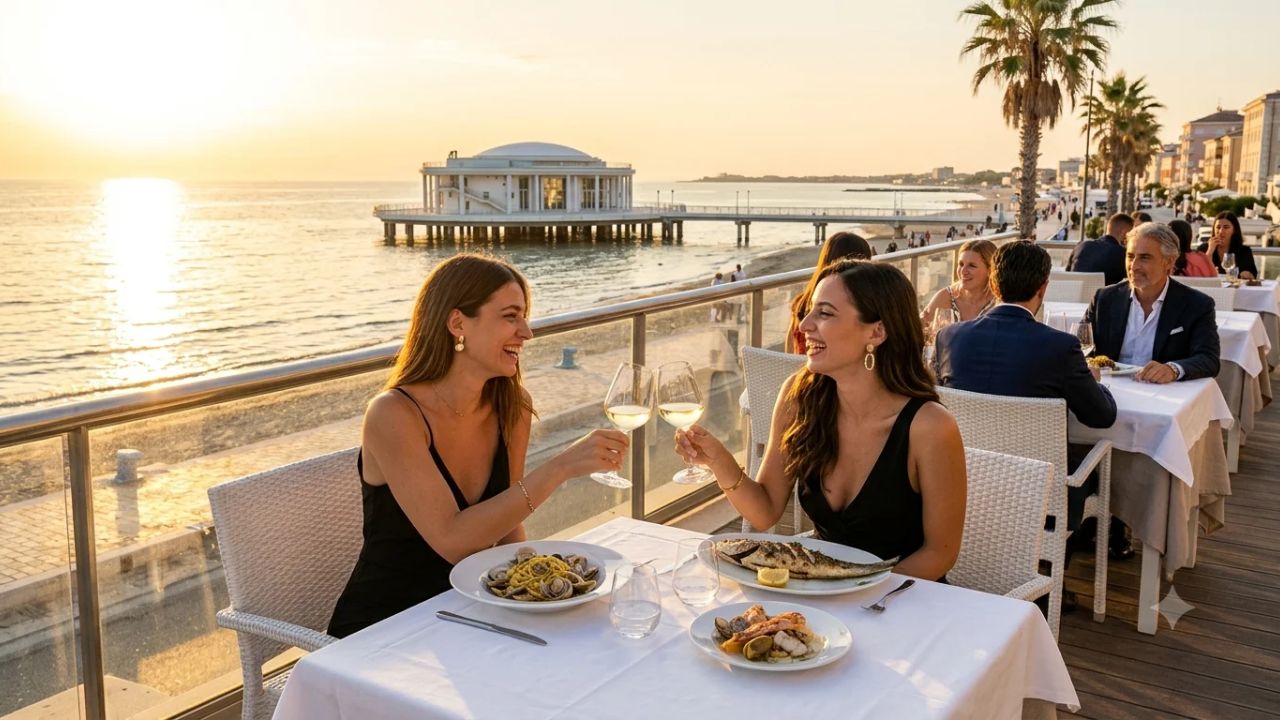
[LONDON, Oct 22, 2026] — Global culinary tourism has reached a major milestone with the release of the World’s 50 Best Restaurants 2026 extended 51–100 ranking, in which European dining institutions captured 20 of the 50 spots—representing 40% of the worldwide selection—across 11 different countries.
[!NOTE]
World’s 50 Best Restaurants 2026 (51–100): Key Benchmarks
- European Continental Lead: Europe captures 20 of the 50 ranked positions (40%), surpassing Asia (17 restaurants, 34%), North America (6, 12%), South America (3, 6%), Africa (2, 4%), and the Middle East (2, 4%).
- Top European Placement: Italy’s Uliassi in Senigallia secures the highest European position at No. 51 worldwide, anchoring Adriatic coastal gastronomy.
- Shared National Leadership: Belgium, France, Germany, and Spain tie for the largest European presence with 3 ranked restaurants each.
- Berlin's High Concentration: Germany's capital claims all 3 of the country's ranked establishments (Nobelhart & Schmutzig #76, Coda #82, and Tim Raue #85), offering travelers an integrated urban culinary hub.
- Global Awards Ceremony: Released on October 21, 2026, by William Reed and adjudicated by Deloitte; precedes the official Top 50 awards gala at Teatro Municipal de Lima, Peru, on November 4, 2026.
The extended 51–100 ranking, adjudicated independently by Deloitte and voted on by an international academy of more than 1,100 chefs, culinary journalists, and gastronomic experts, illustrates the geographic decentralization of modern European travel. Alongside established cultural metropolises like London, Paris, and Berlin, international diners are increasingly booking trips to smaller coastal and rural communities, including Senigallia in Italy, Kobarid in Slovenia, Atxondo in Spain's Basque Country, and Oudenburg in Belgium.
       WORLD'S 50 BEST RESTAURANTS 2026: EXTENDED 51-100 GEOGRAPHY

  CONTINENTAL DISTRIBUTION (50 Restaurants Across 36 Global Cities)
  +-------------------------------------------------------------+
  | EUROPE: 20 Venues (40%)        | ASIA: 17 Venues (34%)      |
  | • 11 Sovereign Nations         | • Tokyo, Bangkok, Singapore|
  | • Highest: Uliassi (#51)       | • Dynamic Asian Metros     |
  +--------------------------------+----------------------------+
  | NORTH AMERICA: 6 Venues (12%)  | SOUTH AMERICA: 3 Venues (6%)|
  | AFRICA: 2 Venues (4%)          | MIDDLE EAST: 2 Venues (4%) |
  +-------------------------------------------------------------+
                                 |
                                 v
  +-------------------------------------------------------------+
  |               EUROPEAN NATIONAL BREAKDOWN (20 KEYS)         |
  |  • Belgium (3): The Jane (#63), Willem Hiele (#66), Eliane (#86)|
  |  • France (3): Arpège (#67), Septime (#81), Le Doyenné (#84) |
  |  • Germany (3): Nobelhart & Schmutzig (#76), Coda (#82), Raue (#85)|
  |  • Spain (3): Hermanos Torres (#69), Txispa (#80), Aponiente (#100)|
  |  • United Kingdom (2): Kol (#70), The Ledbury (#83)         |
  |  • Denmark (1): Koan (#57)     • Sweden (1): Frantzén (#58) |
  |  • Slovenia (1): Hiša Franko (#60) • Portugal (1): Belcanto (#75)|
  |  • Italy (1): Uliassi (#51)    • Türkiye (1): Neolokal (#94)|
  +-------------------------------------------------------------+
Global Continental Distribution: Europe Captures 40% Share
The extended 51–100 ranking covers 50 restaurants in 36 cities spanning six continents. While the final 1–50 ranking will be revealed in Lima, Peru, on November 4, 2026, the 51–100 tier highlights regions where culinary innovation and guest experience are actively expanding.
Europe’s 20 establishments demonstrate the depth of the continent’s gastronomic infrastructure. Advanced aviation connectivity, high-speed rail corridors, and cross-border tourism policies enable international travelers to pair restaurant reservations with regional cultural itineraries.
| Global Continental Region | Number of Ranked Restaurants (51–100) | Share of Extended Selection | Regional Highlights & Top Placements |
|---|---|---|---|
| Europe | 20 | 40% | Uliassi (#51 Italy), Koan (#57 Denmark), Frantzén (#58 Sweden) |
| Asia | 17 | 34% | Concentrated in Tokyo, Bangkok, Singapore, and Hong Kong |
| North America | 6 | 12% | Key dining rooms in New York, California, and Mexico |
| South America | 3 | 6% | Establishments across Brazil, Colombia, and Argentina |
| Africa | 2 | 4% | Cape Town and Johannesburg regional showcases |
| Middle East | 2 | 4% | Dubai and regional culinary innovation centers |
| Total Global Selection | 50 | 100% | Adjudicated by Deloitte for William Reed |
Complete European Ranking in Positions 51–100
The 20 European restaurants featured in the 2026 extended list represent 11 countries, blending metropolitan flagships with remote destination dining:
THE 20 EUROPEAN RESTAURANTS IN THE WORLD'S 50 BEST 2026 (51-100)
| Column 1 | Column 2 | Column 3 | Column 4 | Column 5 |
|---|---|---|---|---|
| Rank | Restaurant Name | City / Town Location | Sovereign State | Culinary Focus |
| #51 | Uliassi | Senigallia (Marche) | Italy | Adriatic Seafood |
| #57 | Koan | Copenhagen | Denmark | Nordic-Korean |
| #58 | Frantzén | Stockholm | Sweden | Modern Nordic |
| #60 | Hiša Franko | Kobarid (Soča Valley) | Slovenia | Alpine Foraged |
| #63 | The Jane | Antwerp | Belgium | Contemporary F.D |
| #66 | Willem Hiele | Oudenburg (Flanders) | Belgium | Coastal Terroir |
| #67 | Arpège | Paris | France | Biodynamic Veg |
| #69 | Cocina Hermanos Torres | Barcelona | Spain | Open Kitchen Inv |
| #70 | Kol | London | United Kingdom | Mexican-British |
| #75 | Belcanto | Lisbon | Portugal | Modern Atlantic |
| #76 | Nobelhart & Schmutzig | Berlin | Germany | Vocally Local |
| #80 | Txispa | Atxondo (Biscay) | Spain | Basque Open-Fire |
| #81 | Septime | Paris | France | Modern Neo-Bistro |
| #82 | Coda | Berlin | Germany | Dessert Dining |
| #83 | The Ledbury | London (Notting Hill) | United Kingdom | British Game |
| #84 | Le Doyenné | Saint-Vrain (Essonne) | France | Farm-to-Table |
| #85 | Tim Raue | Berlin | Germany | Asian Signature |
| #86 | Eliane | Brussels | Belgium | New Entry (2026) |
| #94 | Neolokal | Istanbul | Türkiye | Anatolian Mod. |
| #100 | Aponiente | El Puerto de Santa María | Spain | Marine Plankton |
National Deep Dives: Four Nations Share the European Lead
Four countries—Belgium, France, Germany, and Spain—lead the European cohort with three restaurants each, illustrating diverse culinary approaches across the continent.
       FOUR NATIONS TYING FOR THE EUROPEAN GASTRONOMY LEAD

  BELGIUM (3 Venues)              FRANCE (3 Venues)
  • The Jane (#63 Antwerp)        • Arpège (#67 Paris)
  • Willem Hiele (#66 Oudenburg)  • Septime (#81 Paris)
  • Eliane (#86 Brussels - New)   • Le Doyenné (#84 Saint-Vrain)
  +---------------+---------------+  +---------------+---------------+
                  |                                  |
                  +-----------------+----------------+
                                    |
                  +-----------------+----------------+
                  |                                  |
  GERMANY (3 Venues in Berlin)    SPAIN (3 Venues in 3 Regions)
  • Nobelhart & Schmutzig (#76)   • Cocina Hermanos Torres (#69)
  • Coda (#82 Berlin)             • Txispa (#80 Atxondo, Basque)
  • Tim Raue (#85 Berlin)         • Aponiente (#100 Andalusia)
  +-------------------------------+  +-------------------------------+
1. Italy: Uliassi Claims the Highest European Spot at No. 51
Italy’s presence in the 51–100 tier is headlined by a single establishment that outranks all other European entries: Uliassi, situated on the Adriatic beach of Senigallia in the Marche region, capturing No. 51 worldwide.
Helmed by chef Mauro Uliassi and his sister Catia, the restaurant is celebrated for its maritime tasting menus, drawing heavily from cuttlefish, Adriatic shellfish, and coastal wild herbs. Senigallia’s recognition demonstrates how culinary tourism can shine an international spotlight on secondary coastal towns, steering traveler dollars beyond the saturated tourist circuits of Rome, Florence, and Venice.
2. Spain: Geographic Diversity Across Catalonia, the Basque Country, and Andalusia
Spain’s three ranked restaurants highlight three distinct geographic and culinary regions:
- Cocina Hermanos Torres (No. 69, Barcelona): Founded by twin brothers Sergio and Javier Torres, the restaurant features three central cooking islands in a former industrial warehouse, giving guests an immersive view of modern Catalan culinary innovation.
- Txispa (No. 80, Atxondo): Located in the foothills of the Basque Country, former Asador Etxebarri chef Tetsuro Maeda combines open-fire Basque grilling with Japanese precision, utilizing local livestock, foraged mushrooms, and mountain timber.
- Aponiente (No. 100, El Puerto de Santa María): Located in a restored 19th-century tidal mill in Andalusia, "Chef of the Sea" Ángel León is famous for pioneering edible marine phytoplankton, sea grasses, and zero-waste sustainable seafood.
3. Belgium: High Innovation and a New Global Entry in Brussels
Belgium's trio of ranked establishments spans historical port cities and coastal polders:
- The Jane (No. 63, Antwerp): Set within the deconsecrated chapel of a former military hospital, Nick Bril blends contemporary fine dining with music, architecture, and visual arts.
- Willem Hiele (No. 66, Oudenburg): Situated in the Flanders countryside, Hiele champions coastal seafood, wild fowl, and wood-fired fermentation techniques.
- Eliane (No. 86, Brussels): The newest addition to the global list, Eliane represents one of only nine brand-new global entries in the entire 51–100 selection, adding fresh energy to the Belgian capital's dining scene.
4. France: Urban Classics and Rural Micro-Farms
France matches its peers with three establishments bridging classical Parisian dining and rural farm-to-table models:
- Arpège (No. 67, Paris): Chef Alain Passard’s biodynamic vegetable-focused institution continues to influence global chefs, relying on daily harvest deliveries from his private kitchen gardens in Sarthe, Eure, and Manche.
- Septime (No. 81, Paris): Bertrand Grébaut’s neo-bistro in the 11th arrondissement exemplifies low-intervention wines and seasonal market-driven cooking.
- Le Doyenné (No. 84, Saint-Vrain): Australian chefs James Henry and Shaun Kelly transformed the historic stables of the Château de Saint-Vrain into an integrated regenerative farm, guesthouse, and restaurant 40 kilometers south of Paris.
5. Germany: Berlin's Tripartite Urban Concentration
Unlike countries whose entries are spread across multiple provinces, Germany’s three ranked restaurants are all located in Berlin:
- Nobelhart & Schmutzig (No. 76): Billy Wagner and Micha Schäfer enforce a "vocally local" philosophy, refusing lemons, chocolate, tuna, or any ingredient that cannot be grown in the Berlin-Brandenburg agricultural basin.
- Coda (No. 82): Chef René Frank redefines fine dining through dessert, crafting multi-course menus based on natural sweetness from fruits and vegetables rather than refined sugars.
- Tim Raue (No. 85): Known for vibrant dishes that combine Asian culinary profiles—predominantly Chinese, Thai, and Japanese—with bold seasoning and French culinary foundations.
This concentration makes Berlin an accessible European destination for high-end culinary tourism, allowing visitors to experience three world-ranked restaurants within a single weekend city break.
Nordic and Scandinavian Destinations: Koan and Frantzén
The Nordic region continues to hold high positions in international gastronomy rankings, with Denmark and Sweden claiming back-to-back spots:
- Koan (No. 57, Copenhagen): Led by chef Kristian Baumann, Koan represents the second-highest European entry in the 51–100 tier. The restaurant pairs Nordic seasonal ingredients with Korean flavor profiles and ceramic artistry, reinforcing Copenhagen's standing as a world dining capital.
- Frantzén (No. 58, Stockholm): Björn Frantzén’s multi-level townhouse in Stockholm provides an immersive culinary progression, merging Nordic farm ingredients with Japanese kaiseki techniques and French precision.
Visiting both capitals on a combined Scandinavian rail itinerary offers travelers two distinct culinary perspectives connected by the Øresund bridge.
Central and Southern European Highlights: Slovenia, Portugal, and Türkiye
The extended ranking highlights exceptional dining across Central and Southern Europe:
- Hiša Franko (No. 60, Kobarid, Slovenia): Self-taught chef Ana Roš continues to bring global attention to the emerald waters of Slovenia’s Soča Valley. The restaurant draws entirely from local cheese caves, foraged wild herbs, and indigenous marble trout.
- Belcanto (No. 75, Lisbon, Portugal): In Lisbon's Chiado neighborhood, chef José Avillez reimagines traditional Portuguese cuisine through modern interpretations of seafood, suckling pig, and Alentejo olive oils.
- Neolokal (No. 94, Istanbul, Türkiye): Set inside the SALT Galata arts complex overlooking the Golden Horn, chef Maksut Aşkar bridges Anatolian culinary traditions with contemporary techniques, preserving endangered heritage recipes for a global audience.
United Kingdom: London Showcases Global Influences
The United Kingdom secures two positions in the extended ranking, both located in London:
- Kol (No. 70): Chef Santiago Lastra pairs traditional Mexican culinary heritage with native British ingredients—using sea buckthorn for acidity instead of limes, and British shellfish in place of Pacific seafood.
- The Ledbury (No. 83): In Notting Hill, chef Brett Graham’s return to the extended list marks the restaurant's first appearance since 2019, recognizing its refined approach to British game, woodland mushrooms, and estate-sourced vegetables.
Tourism Implications: Building Multi-City Food Itineraries
The distribution of 20 top-tier restaurants across 11 European countries provides a clear framework for high-value culinary tourism. Food travel has evolved from an incidental activity into a primary trip motivator for affluent leisure travelers.
STRATEGIC EUROPEAN CULINARY TRAVEL CIRCUITS
| Entity / Facility | Delays | Cancellations | Details |
|---|---|---|---|
| Itinerary Circuit | Transit Gateways | Key Restaurants | Target Travel Experience |
| The Adriatic Shore | Bologna / Ancona | Uliassi (Senigallia) | Coastal seafood, regional |
| & Marche Coastline | Airports | (#51) | Verdicchio wines, seaside. |
| The Scandinavian | Copenhagen (CPH) & | Koan (#57) & | High-speed rail connection, |
| Twin-Capital Loop | Stockholm (ARN) | Frantzén (#58) | modern Nordic design culture |
| The Berlin Urban | Berlin Brandenburg | Nobelhart (#76), | Walkable city break, |
| Alpine Foraging & | Venice (VCE) or | Hiša Franko (#60) | Mountain hiking, natural |
| Soča Valley Escape | Ljubljana (LJU) | (Kobarid) | wines, emerald river valleys |
| The French Capital | Paris Charles de | Arpège (#67), | Neo-bistro culture paired |
| to Farm Corridor | Gaulle (CDG) | Le Doyenné (#84) | with countryside estates. |
Pairing Capital Gateways with Regional Excursions
Travel planners are increasingly structuring trips around a "Capital Hub and Regional Extension" model. Visitors arrive at major international flight hubs like Paris, Madrid, or Milan, spend two days exploring metropolitan cultural landmarks, and then travel into the countryside via high-speed train or rental vehicle to visit remote dining destinations.
This travel pattern extends visitor dwell times, disperses tourist expenditures into rural communities, and reduces crowding in central metropolitan districts.
The William Reed Voting System and the Road to Lima
The World's 50 Best Restaurants list has been organized by British publisher William Reed since 2002. The voting methodology relies on:
- An academy of more than 1,100 culinary leaders worldwide, divided across 27 distinct geographical regions.
- A balanced gender ratio among voting academy members.
- Independent verification and adjudication conducted by professional services firm Deloitte.
The announcement of the 51–100 ranking on October 21 serves as a prelude to the main awards gala, scheduled for November 4, 2026, at the Teatro Municipal in Lima, Peru. The live event will reveal the world's official Top 50 dining establishments, completing the global culinary picture.
Frequently Asked Questions (PAA)
What is the World’s 50 Best Restaurants 51–100 extended ranking?
The 51–100 extended ranking is an annual list compiled by William Reed that highlights the restaurants ranking just outside the top 50 worldwide. In the 2026 edition released on October 21, 50 restaurants across 36 global cities were recognized, providing international travelers with an expanded guide to culinary excellence.
Which European restaurant achieved the highest rank in the 51–100 list?
Italy’s Uliassi, located on the Adriatic coast in Senigallia within the Marche region, secured the highest rank among European establishments at No. 51 worldwide.
Which European countries have the most restaurants on the extended list?
Belgium, France, Germany, and Spain share the top position in Europe, with each country securing three restaurants in the 51–100 selection. The United Kingdom follows with two ranked venues, while Denmark, Italy, Portugal, Slovenia, Sweden, and Türkiye each have one.
Which European city has the highest concentration of ranked restaurants?
Berlin, Germany, has the highest single-city concentration in the European 51–100 list, home to all three of Germany's ranked restaurants: Nobelhart & Schmutzig (#76), Coda (#82), and Tim Raue (#85).
When and where will the complete Top 50 restaurants be announced?
The main awards ceremony revealing positions 1 through 50 will take place on November 4, 2026, at the historic Teatro Municipal de Lima in Lima, Peru, broadcast live globally at 20:00 local time.
Related Travel Guides
- Corporate Travel Emissions Face Global Regulatory Crackdown: Advito Debuts Carbon Pre-Audit Service Across US, EU, and Asia
- Spain Surpasses Italy and Greece in Year-Round Tourism: 47% of Travel Shifts to Off-Peak Seasons Amid Luxury and Latin America Influx
- Fine Dining Travel and European Gastronomy Discussions
This article is for informational purposes. Flight routes, passenger regulations, visa rules, and transit advisories are subject to change by airlines and aviation authorities. Readers are advised to verify schedules and travel documentation with relevant carriers and border agencies before departure.
Related Stories
Thailand Tourism Slowdown Tests Small Businesses as Kingdom Pivots to High-Yield Travel and Secondary Provinces

Qatar Inbound Tourism Climbs to 2.95 Million Visitors in 2026 Led by GCC Influx and Autumn Seasonal Surge