
Euribia Stuck Middle East: MSC Cancels May 2026 Kiel Season Opener
MSC Euribia stuck in Middle East forces cancellation of its flagship May 2026 Northern Europe departure from Kiel. Red Sea security delays strand travelers and expose cruise industry vulnerabilities to regional instability.

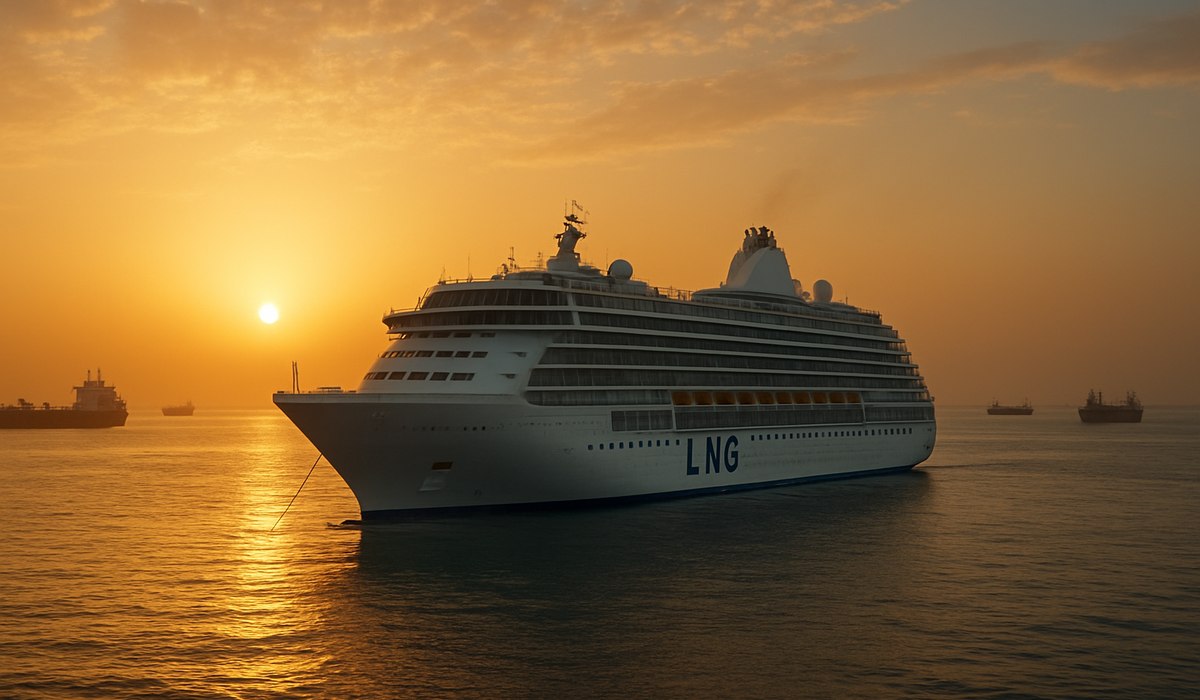
Image generated by AI
MSC Euribia's Delayed Repositioning Cancels Flagship Northern Europe Opener
MSC Cruises has withdrawn the maiden 2026 European sailing of MSC Euribia, the line's advanced LNG-powered vessel, due to extended security delays preventing its departure from Arabian Gulf ports. The May 2 round-trip itinerary from Kiel, Germany—intended to launch the ship's Northern Europe summer season—has been scrapped entirely. Red Sea navigation restrictions and regional instability have trapped the Euribia stuck middle eastern waters, forcing the cruise line to cancel what would have been the season's marquee Northern European deployment kickoff.
The cancellation underscores deepening vulnerabilities within cruise industry repositioning logistics. Ships positioned for seasonal rotations depend on predictable transit windows through critical chokepoints. When geopolitical events restrict those corridors, entire seasonal schedules collapse, leaving thousands of booked passengers stranded and European ports facing revenue shortfalls before peak summer travel begins.
MSC Euribia's Season Opener Withdrawn Amid Middle East Delays
The Euribia stuck middle east situation stems from the suspension of Arabian Gulf itineraries earlier in 2026. MSC had initially planned an April repositioning voyage via the Red Sea and Suez Canal to position the ship in Europe by late April. However, escalating security concerns and maritime transit restrictions in contested waters rendered that timeline impossible.
The ship remains in an indefinite lay-up status within Gulf ports, awaiting conditions suitable for long-haul transit to Europe. MSC management determined that departing Kiel on schedule was unachievable, necessitating the immediate cancellation. The Euribia stuck middle east predicament reflects a broader operational reality: cruise lines prioritize guest safety over adherence to published schedules when regional security deteriorates.
Northern European ports including Kiel, Copenhagen, Stockholm, and Oslo had prepared infrastructure and staffing for the Euribia's arrival. The cancellation now creates scheduling vacancies and reduced passenger volume during the critical early-season period when cruise tourism drives substantial economic activity. Tourism boards and shore-excursion operators face sudden demand shortfalls that ripple through local hospitality networks.
For more information on MSC's fleet and repositioning strategies, visit MSC Cruises' official website.
Red Sea Repositioning Blocked by Regional Security Concerns
The forced positioning delay originates from heightened Red Sea security protocols implemented across commercial and passenger shipping sectors. Merchant vessels and cruise ships transiting toward the Suez Canal face extended transit times, mandatory naval escorts, and insurance-rate increases reflecting elevated risk profiles. For a mega-ship like Euribia, these factors compound operational complexity and cost structures.
MSC had originally scheduled the Euribia stuck middle east departure for April, exploiting a narrow window before summer bookings accelerated. The Red Sea route remains the fastest corridor from the Arabian Gulf to European waters, saving weeks compared to alternative Cape of Good Hope transits. However, when that corridor becomes unreliable, repositioning logistics become untenable.
The cruise line opted against alternative routing via the Cape of Good Hope, which would delay the ship's European arrival into June—too late for the published Kiel season opener. Cruise itineraries operate on fixed schedules coordinated across multiple ports, crew rotations, and passenger connections. A six-week delay cascades through the entire operational calendar, making alternative scheduling unfeasible mid-season.
Regional instability affecting the Euribia stuck middle east positioning also influences insurance underwriting and duty-of-care liability frameworks. Cruise operators face heightened exposure if vessels transit high-risk zones where incidents could occur. MSC's decision to cancel rather than reposition reflects both practical logistics and corporate risk management protocols governing passenger vessel movements.
Stranded Travelers Face Compensation and Alternative Sailings
Approximately 2,700 passengers booked on the May 2 Kiel departure now confront rebooking challenges, cancellation settlements, and holiday disruptions. MSC's standard disruption policy offers affected guests selection between alternative sailings on comparable European itineraries or full refunds with modest compensation stipends.
However, early-season Northern Europe cruises from German and Scandinavian homeports have experienced robust advance bookings throughout 2025. Available cabin inventory across MSC's European fleet is limited, forcing many passengers toward either later-season departures or alternative cruise lines. For travelers who had coordinated vacation time, international flights, and hotel arrangements around the original May 2 sailing, rebooking creates cascading complications.
Families visiting from Australia, Asia, and North America face particularly acute challenges. Long-haul international travel to Northern Europe requires months of advance planning. The late-April cancellation notification leaves insufficient time for rebooking expensive intercontinental flights and aligning subsequent lodging arrangements. Some passengers may elect refunds and abandon cruise plans entirely, absorbing losses on prepaid flight bookings.
MSC has established a dedicated guest services channel for affected passengers, though volume and complexity of requests substantially exceed standard customer-service capacity. The cruise line's reputational exposure extends beyond direct financial compensation to brand perception among German and Northern European travelers—core demographic segments for Baltic and Norwegian cruise programs.
For current booking information and alternative options, visit Cruise Critic's MSC community forums where affected passengers share real-time rebooking experiences.
Broader Industry Vulnerability: Other Ships Stuck in Gulf Ports
The Euribia stuck middle east positioning delay affects vessels across multiple cruise lines currently unable to exit Arabian Gulf waters. Industry reports document at least six large cruise ships from competing operators similarly constrained by Red Sea security restrictions. These include mega-ships operated by Royal Caribbean, Carnival Corporation brands, and independent lines.
The cumulative effect of multiple repositioning delays creates compounding disruptions across European and transatlantic cruise schedules throughout spring and early summer 2026. Ships that cannot depart the Middle East remain unable to service contracted European itineraries, forcing cascading cancellations and rebooking demands across the industry.
Smaller, regional cruise operators suffer disproportionate impact compared to mega-ship carriers. While MSC can redistribute passengers across its substantial European fleet, niche operators with single or dual-ship deployments face existential scheduling conflicts. A two-month positioning delay represents potential revenue loss exceeding operational margins for fleet-constrained companies.
Port authorities across Northern Europe, the Mediterranean, and the Atlantic report declining cruise calls through Q2 2026, creating budget pressures for destination marketing organizations and port infrastructure providers. The Euribia stuck middle east situation exemplifies systemic vulnerabilities within cruise industry logistics dependent upon unobstructed access to critical maritime corridors.
Cruise Itinerary at a Glance
| Element | Details |
|---|---|
| Ship | MSC Euribia (LNG-powered mega-ship, 2022 launch) |
| Cruise Line | MSC Cruises |
| Homeport | Kiel, Germany |
| Departure Date (CANCELLED) | May 2, 2026 |
| Duration | 12 nights, round-trip |
| Regions | Northern Europe (Baltic & Norwegian coasts) |
| Capacity | ~5,700 passengers |
| Status | Cancelled due to Middle East positioning delays |
| Passenger Refund Options | Alternative sailings or full refund with compensation |
| Ships Affected Industry-Wide | 6+ vessels stuck in Arabian Gulf |
| Expected Impact | Q2 2026 European cruise capacity reduction |
What This Means for Travelers
The Euribia stuck middle east cancellation carries immediate and long-term implications for cruise passengers and Northern European tourism
Disclaimer
This article is for informational and educational purposes only. It does not constitute legal, financial, or professional advice. While we strive to provide accurate and up-to-date information, travel policies, regulations, and conditions change rapidly. Always verify information with official sources before making travel decisions. Nomad Lawyer makes no representations about the accuracy, reliability, completeness, or suitability of the information provided. Readers should consult qualified professionals for advice specific to their circumstances. The views expressed in this article are those of the author and do not necessarily reflect the views of Nomad Lawyer.
Kunal K Choudhary
Co-Founder & Contributor
A passionate traveller and tech enthusiast. Kunal contributes to the vision and growth of Nomad Lawyer, bringing fresh perspectives and driving the community forward.
Learn more about our team →