
Employees Asked Return $1,000 Gift Cards as TSA Backpay Arrives After 45-Day Shutdown
TSA employees asked return Tyler Perry's $1,000 gift cards as government shutdown backpay finally arrives after 45 days. DHS workers receive long-awaited compensation and federal guidance on donated relief funds in 2026.

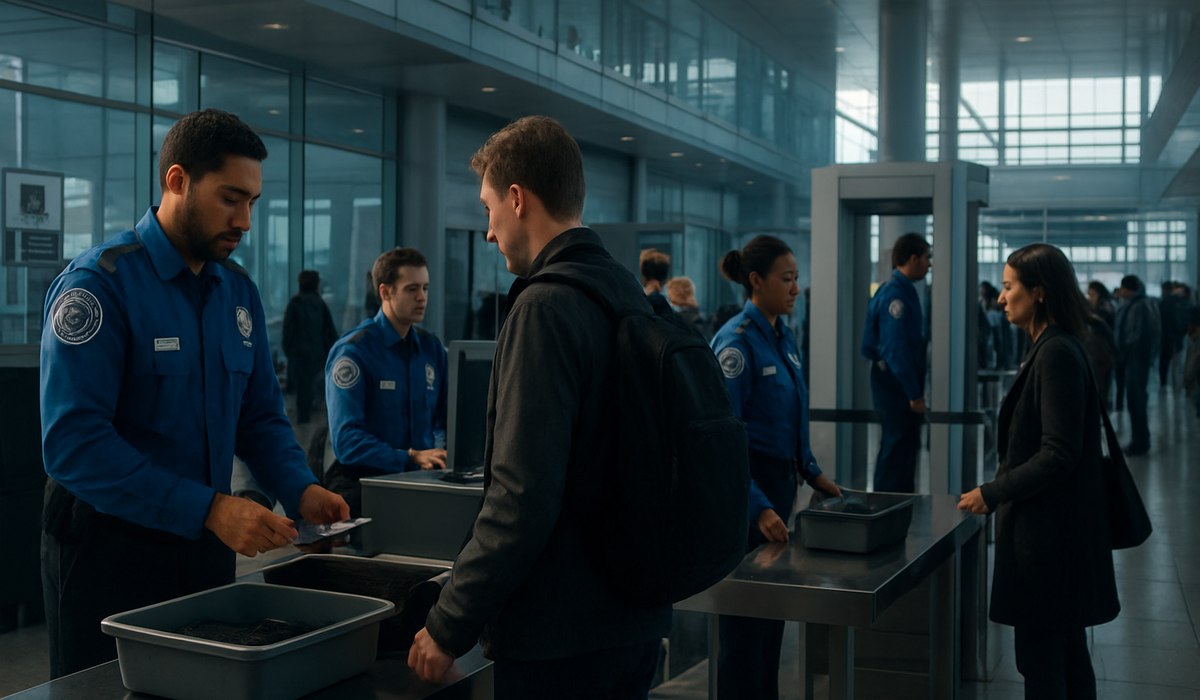
Image generated by AI
TSA Workers Face Unexpected Gift Card Reversal as Backpay Arrives
Fifty thousand Transportation Security Administration (TSA) employees are receiving long-awaited backpay after a 45-day Department of Homeland Security shutdown, yet federal guidelines now require workers to return $1,000 gift cards donated by Tyler Perry during the crisis. This unusual policy reversal highlights the complexity of managing employee relief during extended government shutdowns and raises questions about federal ethics regulations governing charitable donations to federal workers.
Tyler Perry's Generous Gesture to TSA Workers
Actor and filmmaker Tyler Perry stepped forward during the shutdown's darkest moments, publicly donating $1,000 gift cards to TSA employees working without pay at major U.S. airports. This act of philanthropy generated significant positive media coverage and provided immediate financial relief when federal workers faced mounting household expenses. Perry's contribution became symbolic of private-sector support for essential government employees who continued maintaining airport security operations despite the compensation freeze.
The gift cards were distributed directly to TSA personnel at security checkpoints across the nation's busiest aviation hubs. Many workers expressed gratitude for Perry's intervention, which allowed them to purchase groceries, pay utilities, and manage urgent financial obligations during the extended shutdown period. The donation underscored public recognition of TSA workers' essential roles in maintaining transportation security infrastructure.
Why The Gift Cards Must Be Returned
Federal ethics regulations prohibit government employees from accepting certain gifts exceeding monetary thresholds, particularly when donations could create conflicts of interest or appearance of impropriety. The DHS Office of Inspector General issued guidance requiring employees who received the Perry gift cards to return them or face potential disciplinary action. These regulations, established under federal ethics laws, apply uniformly regardless of donation intent or donor status.
The return requirement surprises many workers who viewed the cards as emergency relief rather than prohibited gifts. However, federal policy distinguishes between charitable assistance (which remains permitted) and direct monetary gifts to individual employees. The $1,000 threshold exceeded allowable gift limits, triggering mandatory return procedures. Employees who fail to comply face potential suspension or termination, creating an uncomfortable position for workers already financially stressed by the shutdown.
This situation illustrates how federal regulations sometimes create unintended consequences despite good intentions. The policy exists to prevent conflicts of interest across government agencies. However, applying it during a shutdown recovery period when workers lack emergency funds generates significant workforce morale challenges.
Backpay Rolling Out After 45-Day Shutdown
After 45 consecutive days without compensation, TSA employees began receiving backpay deposits on March 30, 2026, through direct deposit and paper check distribution. The Department of Homeland Security coordinated with the Treasury Department to process payments covering all missed wages, retroactive benefits, and accrued leave compensation. Workers received notification of deposit dates via their agency email systems prior to fund arrival.
Backpay calculations included standard wages, overtime compensation earned during the shutdown period, and restoration of retirement contributions. Employees received detailed pay stubs explaining the backpay breakdown and tax withholdings. The DHS prioritized processing backpay for TSA workers given their essential role maintaining airport operations throughout the shutdown period.
Most workers received complete backpay within one week of the shutdown's resolution. However, some employees hired recently or working in temporary positions experienced delays pending verification of employment status. The TSA established a dedicated customer service line to address backpay inquiries and resolve processing errors for affected employees.
Impact on TSA Workforce and Morale
The 45-day shutdown created extraordinary financial hardship across the 50,000-person TSA workforce. Many employees worked multiple shifts to maximize overtime compensation, leading to fatigue and stress during peak travel periods. Others relied on emergency loans, credit cards, and family assistance to maintain essential household expenses. Food banks and community organizations reported increased demand from federal workers seeking emergency provisions.
Workforce morale declined significantly as the shutdown extended beyond initial projections. Retention concerns emerged among experienced security officers who explored private-sector employment opportunities. The TSA leadership acknowledged the shutdown's impact on employee well-being and committed to enhanced support programs during recovery.
The gift card return requirement further complicated morale recovery efforts. Many workers felt the government was reclaiming assistance that had provided genuine relief during crisis circumstances. Labor unions representing TSA employees questioned whether the ethics policy applied fairly given the extraordinary shutdown circumstances. These workforce dynamics influenced how the TSA navigates future operational crises.
Now that backpay has arrived, TSA management faces challenges in rebuilding employee trust and commitment. The agency implemented mental health resources and financial counseling services to support worker recovery. Leadership emphasized recognition of TSA workers' dedication in maintaining security operations throughout the shutdown despite compensation delays.
Impact on Airport Operations and Travel
Major U.S. airports including Atlanta (ATL), Los Angeles (LAX), Chicago O'Hare (ORD), Dallas-Fort Worth (DFW), and Denver (DEN) maintained security screening operations throughout the shutdown despite significant workforce stress. TSA PreCheck and standard security lines experienced occasional delays as fatigued workers managed increased travel volume. However, critical security functions continued without interruption, ensuring aviation safety remained uncompromised.
Travelers checking FlightAware during the shutdown period noted extended wait times at major hub airports during peak hours. The FAA maintained normal flight operations while coordinating with TSA to prevent security-related delays from cascading across the national airspace system. Despite workforce challenges, the aviation system demonstrated resilience in maintaining safety and operational continuity.
Passenger volumes gradually increased as public confidence remained stable throughout the crisis. Airlines reported that security concerns did not significantly impact booking patterns, though some travelers adjusted schedules to avoid peak airport times. The quick backpay processing helped restore operational normalcy as employees returned to standard staffing levels and shifts.
Key Facts and Timeline
| Event | Date | Details | Impact |
|---|---|---|---|
| DHS Shutdown Begins | February 15, 2026 | 50,000 TSA employees stop receiving compensation | No paychecks for essential security workers |
| Tyler Perry Donation Announced | March 15, 2026 | $1,000 gift cards distributed to TSA workers | Emergency relief provides immediate assistance |
| Gift Card Return Order | March 28, 2026 | DHS requires employees to return Perry's cards | Workers must forfeit received assistance |
| Backpay Distribution Starts | March 30, 2026 | TSA employees receive 45 days of delayed wages | Financial relief arrives after 6+ weeks |
| Major Airports Affected | Throughout Period | ATL, LAX, ORD, DFW, DEN maintained operations | Security screening continues with stressed workforce |
What This Means for Travelers
The shutdown and backpay recovery period affected airport operations, employee morale, and security screening efficiency across major U.S. transportation hubs. Travelers experienced or may have encountered extended wait times during the crisis. Understanding this situation helps you prepare for future operational disruptions and support essential airport workers.
Traveler Action Checklist:
- Check current wait times at your departure airport using FlightAware before arriving for your flight
- Review TSA PreCheck status on the TSA official website to confirm your membership validity
- Arrive extra early for flights during peak travel periods to accommodate potential security screening delays
- Understand your passenger rights by reviewing U.S. Department of Transportation guidelines regarding flight delays and cancellations
- Monitor airline communications about schedule changes or operational adjustments related to staffing levels
- Plan flexible itineraries when traveling
Disclaimer
This article is for informational and educational purposes only. It does not constitute legal, financial, or professional advice. While we strive to provide accurate and up-to-date information, travel policies, regulations, and conditions change rapidly. Always verify information with official sources before making travel decisions. Nomad Lawyer makes no representations about the accuracy, reliability, completeness, or suitability of the information provided. Readers should consult qualified professionals for advice specific to their circumstances. The views expressed in this article are those of the author and do not necessarily reflect the views of Nomad Lawyer.
Preeti Gunjan
Contributor & Community Manager
A passionate traveller and community builder. Preeti helps grow the Nomad Lawyer community, fostering engagement and bringing the reader experience to life.
Learn more about our team →