
Emirates Slashes London Heathrow A380 Services Amid Middle East Tensions and Operational Pressures
Breaking airline news and aviation industry updates for 2026.

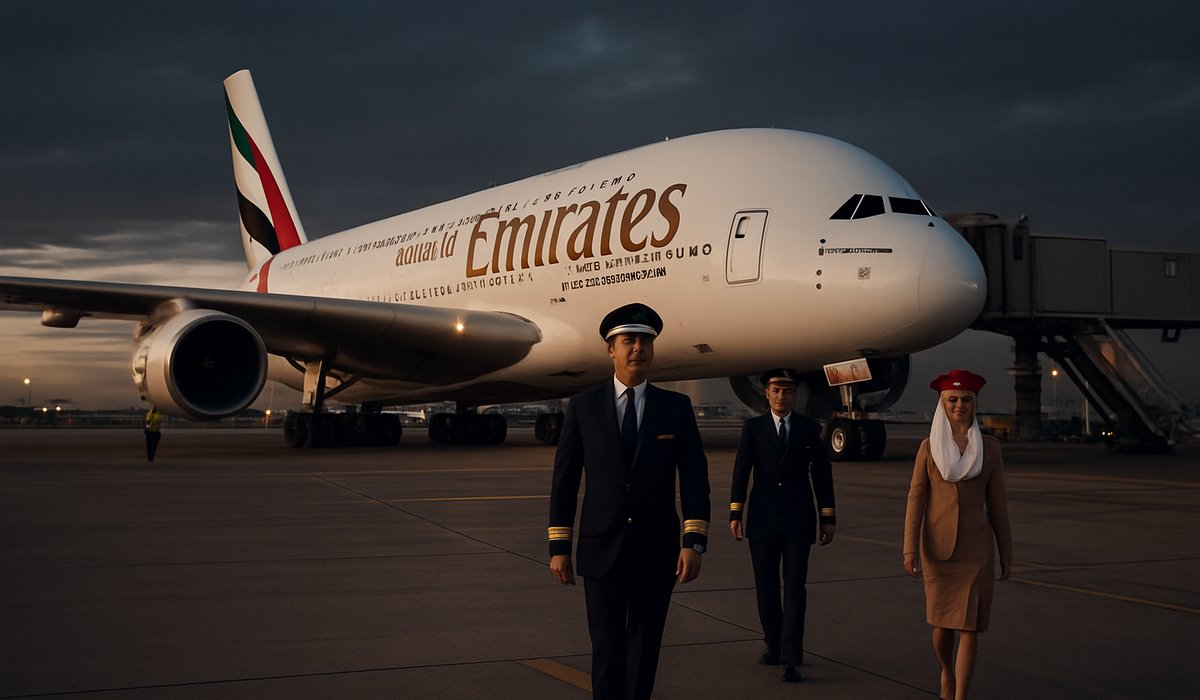
Image generated by AI
Emirates Slashes London Heathrow A380 Services Amid Middle East Tensions and Operational Pressures
Geopolitical instability forces major carrier to reduce flagship aircraft deployment on key European route
Dramatic Cut to Flagship Route
Emirates has significantly reduced its double-deck Airbus A380 operations between Dubai and London Heathrow, scaling back to five daily departures in recent weeks—a notable decline from the standard six flights and the peak winter schedule of seven services that typically characterize this premium route.
The pullback, which extended through June and into July, represents a substantial contraction on one of the world's most strategically important aviation corridors. The move underscores mounting operational and geopolitical challenges facing the Middle Eastern carrier as it navigates complex global conditions.
Geopolitical Fallout Reshapes Route Strategy
The reduction stems directly from escalating tensions in the region, with ongoing military developments affecting air traffic operations across the Persian Gulf. While Emirates has not formally attributed the cutbacks to specific incidents, industry analysts point to broader Middle Eastern instability as a primary driver of the airline's cautious approach to schedule management.
The geopolitical uncertainty has ripple effects beyond passenger capacity: increased fuel surcharges, extended flight routing to avoid volatile airspace, and heightened operational costs all contribute to the carrier's reassessment of route profitability and deployment strategy.
Industry-Wide Implications for Long-Haul Networks
The Emirates schedule reduction signals deeper trends affecting premium transatlantic and transcontinental services. Rising jet fuel costs, combined with regional security concerns, are forcing carriers to optimize their most capital-intensive operations. The A380—one of aviation's most expensive aircraft to operate—remains particularly vulnerable to capacity adjustments during periods of uncertainty.
For London Heathrow, historically dependent on premium Middle Eastern traffic, the reduction in daily A380 frequencies represents lost high-yield passenger revenue and valuable runway slots. The airport faces ongoing capacity constraints, making every departure slot commercially critical.
Market Signals and Traveler Impact
The service cuts will likely result in increased airfares on the Dubai-London route as available premium cabin inventory shrinks. Business travelers and connecting passengers may face booking challenges during peak summer travel seasons, potentially driving demand toward competing carriers on this lucrative corridor.
Emirates continues to maintain substantial operations at Heathrow despite the reductions, but the decision reflects a broader aviation industry recalibration as carriers balance operational resilience against geopolitical risk and economic uncertainty.
FAQ: Emirates A380 Reductions and Aviation Impact
Why is Emirates reducing flights to London Heathrow? Ongoing regional tensions in the Middle East have prompted Emirates to scale back operations on several long-haul routes, including the Dubai-Heathrow corridor, affecting both deployment schedules and aircraft utilization rates.
How do airline schedule cuts affect passenger ticket prices? Reduced flight frequency typically decreases available seats, increasing fares—particularly in premium cabins. Business class and first-class passengers face the most significant price impacts due to limited inventory on reduced schedules.
What is the A380's operational role in modern aviation? The double-deck Airbus A380 remains a flagship aircraft for premium long-haul routes, offering maximum passenger capacity but requiring high load factors and strong demand to justify its substantial operating costs, including fuel expenses and crew requirements.
How do jet fuel prices influence airline route decisions? Elevated fuel costs directly impact profitability on less-dense routes. When geopolitical instability increases fuel surcharges and operational expenses, carriers often reduce frequency on marginal services to protect margins.
Which airlines compete with Emirates on the Dubai-London route? British Airways, Qatar Airways, Etihad Airways, and Turkish Airlines all operate this corridor, providing alternative options for passengers affected by Emirates' schedule adjustments.
Related Travel Guides
-
Airline Middle East Routes Suspended as Conflict Forces Global Cancellations
-
Kota-Bundi Airport 2027: Lok Sabha Speaker Reviews Greenfield Terminal Progress
-
Govt Approves Fund: Rs 10,000 Crore ATF Support Shield for Indian Airlines
External Resources
Disclaimer
This article is for informational and educational purposes only. It does not constitute legal, financial, or professional advice. While we strive to provide accurate and up-to-date information, travel policies, regulations, and conditions change rapidly. Always verify information with official sources before making travel decisions. Nomad Lawyer makes no representations about the accuracy, reliability, completeness, or suitability of the information provided. Readers should consult qualified professionals for advice specific to their circumstances. The views expressed in this article are those of the author and do not necessarily reflect the views of Nomad Lawyer.
Raushan Kumar
Founder & Lead Developer
Full-stack developer with 11+ years of experience and a passionate traveller. Raushan built Nomad Lawyer from the ground up with a vision to create the best travel and law experience on the web.
Learn more about our team →