
Emirates Executes Massive 2,139-Flight A380 Capacity Reset, Triggering Global Ticketing Chaos as European Frequencies Suffer Brutal Downgrades: Latest Airline News
In a stunning display of strategic fleet realignment driven by geopolitical volatility, Emirates is operating 2,139 Airbus A380 flights in July 2026, forcefully restricting capacity to preserve long-haul resilience.

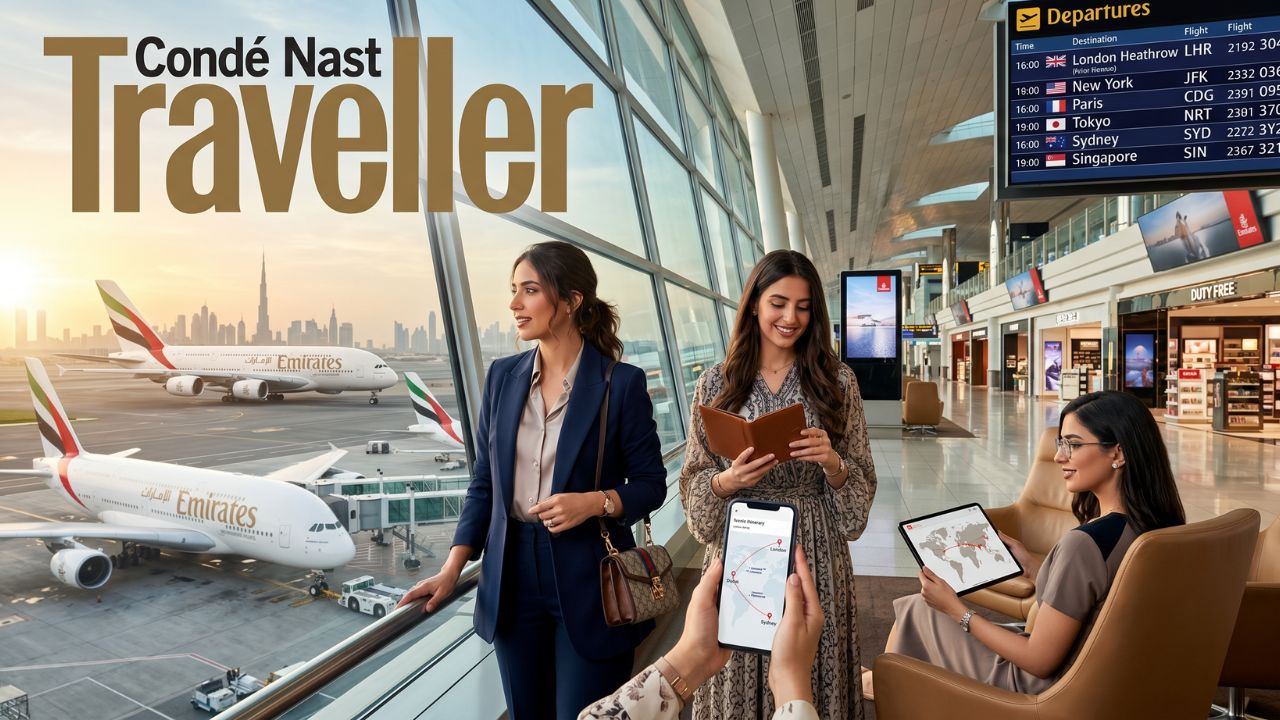
Image generated by AI
In a massive, highly calculated maneuver that has sent absolute shockwaves through global aviation markets, Emirates has officially initiated a brutal capacity reset for July 2026, deploying exactly 2,139 Airbus A380 flights across 48 international destinations. While the sheer volume of superjumbo operations remains unmatched, this schedule represents a highly strategic, 15% year-on-year capacity reduction forced by severe regional geopolitical disruptions. By deliberately withholding massive amounts of wide-body capacity from key European battlegrounds like London and Manchester, the Dubai-based mega-carrier is triggering widespread ticketing travel chaos for premium passengers while aggressively protecting its operational resilience. This unprecedented recalibration of global connectivity represents the premier headline in today's breaking airline news and vital aviation updates.
By introducing direct passenger coordination and dynamic scheduling backups, the regional aviation hubs target growing passenger demand across vital commerce sectors. The choice to coordinate flight departures in phases helps to manage gate capacity, supporting the country's broader regional transportation network.
Context: The Geopolitical Capacity Squeeze
Historically, July represents the absolute peak of aggressive network expansion for Middle Eastern carriers.
However, ongoing regional instability and geopolitical friction have forced Emirates into a highly defensive, stabilizing posture. Operating out of the massive Dubai International Airport, the airline is deliberately prioritizing fleet resilience over pure expansion metrics. Instead of flooding the market with excess A380 seats, Emirates is brutally compressing its capacity to ensure it can absorb potential airspace closures or sudden airport disruptions without triggering cascading global cancellations. This 15% reduction in available superjumbo flights fundamentally alters the global travel ecosystem. It creates an artificially constrained booking environment where premium cabin inventory is ruthlessly tightened, forcing corporate travel planners and frequent flyers into a fierce bidding war for business class seats on flagship trunk routes.
To view live flight schedules, real-time terminal maps, or check-in rules at the global mega-hub, travelers can consult the official Dubai International Airport (DXB) directory. For direct booking access, specific baggage rules, and current A380 fleet availability, passengers can check the official Emirates portal. To explore live flight tracking, check delay maps, or monitor exact widebody fleet routing across all five continents, passengers can consult the official FlightAware tracking service.
Section-Wise Breakdown of the A380 Redistribution
The European Capacity Squeeze
Europe is experiencing the most severe impact of this strategic recalibration. London, typically the crown jewel of the Emirates network, has suffered notable downgrades. Historically commanding up to six daily A380 flights to Heathrow alone, the July 2026 schedule reflects a massive reduction across both Heathrow and Gatwick, with select frequencies swapped to smaller Boeing 777 and Airbus A350-900 aircraft. Manchester is facing similar pressure, with superjumbo services slashed to just one daily A380 flight.
The Asian and American Trunk Routes
While Europe suffers slot constraints, Emirates is fiercely protecting its high-yield intercontinental corridors. The airline is maintaining aggressive A380 deployment across 14 Asian destinations (including Bangkok, Singapore, Tokyo, Seoul, and Mumbai) and 6 critical American gateways (such as New York, Los Angeles, and São Paulo). This distribution proves Emirates is heavily relying on ultra-long-haul premium demand to maintain yield performance amidst geopolitical volatility.
Africa and Australasia Balance
The global architecture is rounded out by maintaining critical diaspora and leisure connectivity. Five Australasian cities (including Sydney, Melbourne, and Auckland) and four African hubs (including Johannesburg and Cairo) ensure that Dubai remains the undisputed geographic crossroads of the Southern Hemisphere.
Technical Roster: July 2026 Emirates A380 Deployment Matrix
To ensure absolute factual accuracy regarding this massive capacity reset and specific regional downgrades, the following tables detail the core operational metrics of the Emirates July 2026 A380 schedule:
The Global Fleet Compression
| Operational Metric | Confirmed July 2026 Data | Strategic Passenger Impact |
|---|---|---|
| Total A380 Flights | 2,139 Operations | Massive baseline connectivity remains intact |
| Global Reach | 48 International Destinations | Spans across Europe, Asia, Americas, Africa, and Australasia |
| Capacity Shift | -15% Year-on-Year Reduction | Drives massive premium cabin scarcity and fare volatility |
| Fleet Swaps | Downgrades to 777 and A350-900 | Reduces total available seats on select European corridors |
The 48-Destination Regional Breakdown
| Geographic Region | Total A380 Destinations | Key Route Highlights / Impact |
|---|---|---|
| Europe | 19 Destinations | Paris, Amsterdam, Milan; severe cuts at LHR, LGW, and Manchester |
| Asia | 14 Destinations | Tokyo, Singapore, Mumbai; maintains massive high-density yield |
| The Americas | 6 Destinations | New York, Los Angeles, São Paulo; anchors transcontinental traffic |
| Australasia | 5 Destinations | Sydney, Melbourne, Auckland; sustains ultra-long-haul demand |
| Africa | 4 Destinations | Johannesburg, Cairo, Mauritius; provides essential intercontinental links |
Passenger Impact: The Premium Booking War
For the everyday global traveler, Emirates' 15% capacity reduction directly translates into massive pricing pressure and severe booking friction.
With fewer Airbus A380s operating on extremely high-demand routes like London and Manchester, the total volume of available First Class and Business Class seats has plummeted. Corporate travelers who typically book close to departure are discovering that premium cabins are completely sold out weeks in advance. Furthermore, passengers who originally booked an A380 expecting the iconic onboard bar and shower spa are experiencing sudden aircraft swaps to the Boeing 777 or the new Airbus A350-900. While these are exceptional aircraft, they lack the specific, ultra-premium amenities of the superjumbo, generating significant frustration among loyal frequent flyers. Flexibility during peak July travel is virtually non-existent; if you miss a connection in Dubai, there is no excess A380 capacity available to absorb rebooked passengers.
Industry Analysis: Redefining Aviation Dominance
Aviation industry analysts view this schedule as a masterclass in modern, defensive airline management.
According to Mr. Anup Kumar Keshan, Founder and Editor-in-Chief of TTW, the industry fundamentally misunderstands Emirates' current posture. “What appears as a reduction in capacity is actually a strategic realignment of global connectivity power," he states. "Emirates is silently redefining how long-haul aviation stability is maintained in uncertain geopolitical conditions.” Legacy carriers often expand recklessly during peak summer months, leaving them brutally exposed to massive financial losses when airspace closures or ATC strikes occur. Emirates is doing the exact opposite. By deliberately holding back 15% of its capacity, it creates an operational buffer. Dominance in 2026 is no longer about flying the most planes; it is about operating the most resilient network that refuses to collapse under external geopolitical pressure.
Actionable Advice for Flying Emirates in July 2026
If your summer travel plans rely on the Emirates network during this massive capacity reset, execute this tactical survival checklist:
- Verify Aircraft Swaps Constantly: Emirates is actively downgrading select A380 routes to the Boeing 777 and Airbus A350-900. Monitor your booking via the Emirates app weekly. If your flight is swapped from an A380 to a 777 and you specifically paid for a First Class suite with a shower, contact customer service immediately to discuss rerouting or partial compensation.
- Book Premium Cabins Months in Advance: The 15% capacity reduction has obliterated last-minute business class availability on European routes. If you are flying to London, Manchester, or Munich, you must secure your premium tickets a minimum of 90 days in advance or risk being forced into Economy.
- Eliminate Tight Connections: Because flights are operating at maximum load factors, missing a connection in Dubai due to a delayed inbound flight guarantees you will be stranded for 24-48 hours. Ensure your layover in Dubai is an absolute minimum of 3 hours to absorb any inbound delays safely.
- Leverage the 14 Asian Trunk Routes: While Europe is suffering capacity cuts, the Asian network remains massively robust. If you are transiting from the US to Asia, routing through Dubai remains one of the most reliable, high-frequency corridors available this summer.
FAQ: Emirates A380 July 2026 Schedule
How many Airbus A380 flights is Emirates operating in July 2026?
The airline has scheduled a massive 2,139 Airbus A380 flights connecting 48 global destinations across five continents.
Is Emirates expanding its flight capacity this summer?
No. Despite the massive scale, this schedule represents a deliberate 15% year-on-year capacity reduction driven by geopolitical instability and the need for operational resilience.
Which specific European routes are seeing major capacity reductions?
London Heathrow, London Gatwick, and Manchester are experiencing significant A380 frequency downgrades, with select flights being swapped to Boeing 777 and Airbus A350-900 aircraft.
Precision Deployment Over Pure Scale
The July 2026 execution of 2,139 Airbus A380 flights proves definitively that Emirates has matured beyond the era of reckless expansion. By deliberately imposing a 15% capacity reduction and brutally optimizing its European slot allocations, the airline has successfully immunized its massive Dubai mega-hub against the paralyzing effects of geopolitical volatility. As premium passengers battle for the limited remaining seats on these flagship superjumbos, Emirates has cemented a new paradigm in global aviation: true power is not measured by the sheer number of aircraft in the sky, but by the absolute, unbreakable resilience of the network they serve.
Key Takeaways
- Strategic Capacity Reset: Emirates is operating 2,139 A380 flights in July 2026, representing a deliberate 15% year-on-year reduction to combat geopolitical instability.
- Global Network Reach: The A380 fleet is highly distributed across 48 destinations spanning Europe (19), Asia (14), the Americas (6), Australasia (5), and Africa (4).
- European Route Downgrades: High-density routes like London Heathrow, Gatwick, and Manchester have suffered severe A380 frequency cuts and swaps to 777/A350 aircraft.
- Premium Scarcity: The capacity squeeze has generated massive pricing pressure and severe scarcity for First and Business Class seats on key intercontinental corridors.
- Aviation Paradigm Shift: Industry experts confirm Emirates is prioritizing operational resilience and risk diversification over pure scale, redefining modern airline dominance.
Related Travel Guides
Etihad Airways Unleashes Massive 300-Flight Summer Expansion
Severe Travel Chaos Paralyzes Europe With 56 Flight Cancellations
Disclaimer
This article is for informational and educational purposes only. It does not constitute legal, financial, or professional advice. While we strive to provide accurate and up-to-date information, travel policies, regulations, and conditions change rapidly. Always verify information with official sources before making travel decisions. Nomad Lawyer makes no representations about the accuracy, reliability, completeness, or suitability of the information provided. Readers should consult qualified professionals for advice specific to their circumstances. The views expressed in this article are those of the author and do not necessarily reflect the views of Nomad Lawyer.
Kunal K Choudhary
Co-Founder & Contributor
A passionate traveller and tech enthusiast. Kunal contributes to the vision and growth of Nomad Lawyer, bringing fresh perspectives and driving the community forward.
Learn more about our team →