Eight Popular Global Cities Unlock Affordable Holidays and Cultural Experiences: Complete Budget Travel Guide

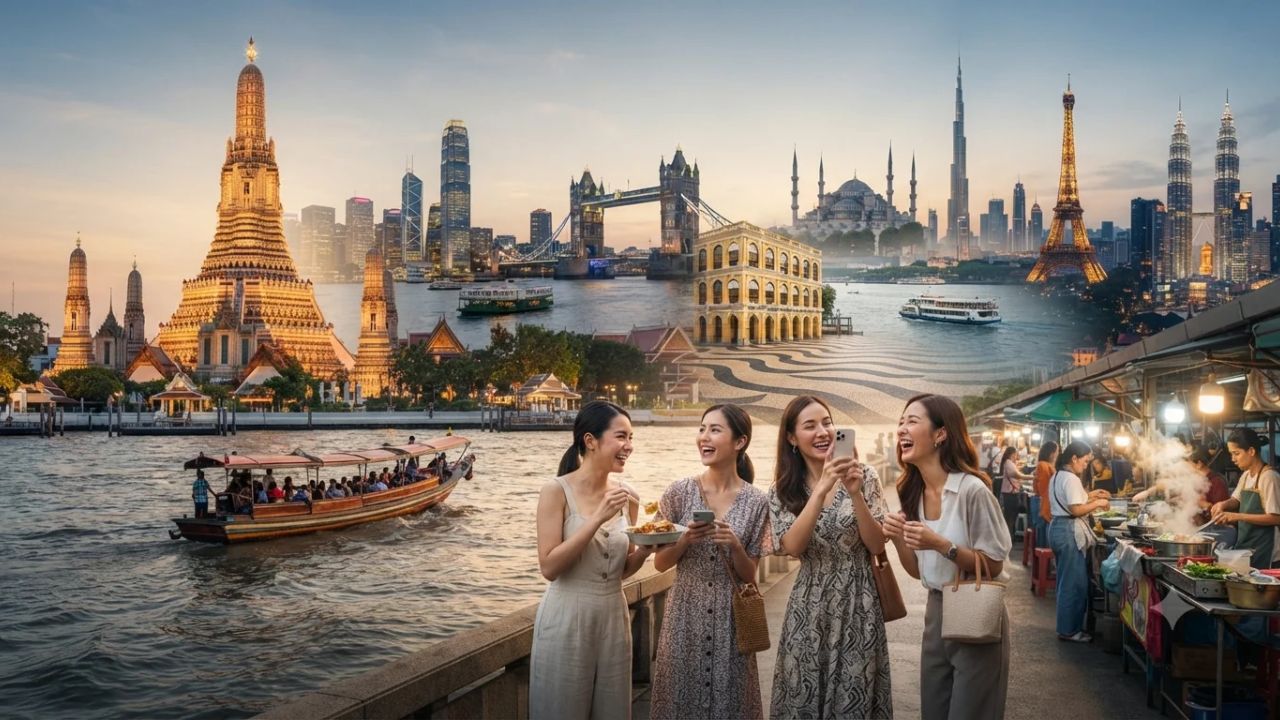
With international tourist arrivals reaching 1.52 billion in 2025 according to UN Tourism benchmarks, eight of the world’s most iconic metropolitan destinations—Bangkok, Hong Kong, London, Macao, Istanbul, Dubai, Paris, and Kuala Lumpur—are proving that premier urban travel does not require an extravagant budget.
While global inflation, hotel room rate surges, and dynamic airline pricing have intensified financial considerations for holidaymakers, the world's leading metropolises offer remarkable structural advantages for cost-conscious explorers. Sophisticated mass transit networks, capped electronic fare systems, world-class municipal museums offering zero-cost admission, and authentic street-food ecosystems allow strategic travellers to experience the very best of global culture, history, and architecture at a fraction of standard package tour costs.
Rather than compromising on holiday quality, budget-conscious travel in 2026 is defined by smart planning: substituting overpriced tourist shuttle boats with municipal river ferries, unlocking free cultural admission days, staying in vibrant transit-connected outer neighborhoods, and dining where local residents eat. By mastering the art of urban transit cards and curating balanced itineraries, visitors can unlock deep cultural immersion across Europe, Asia, and the Middle East while maintaining strict financial discipline.
EIGHT GLOBAL METROPOLISES: AFFORDABLE URBAN TRAVEL MATRIX
| Entity / Route | Metrics | Operational Status |
|---|---|---|
| Destination | Primary Low-Cost Transit Tool | Signature Free or Low-Cost Cultural Asset |
| Bangkok | Chao Phraya Express Boat / MRT | Wat Pho, Chatuchak Market, Street Food Stalls |
| Hong Kong | Star Ferry (HK$5) / MTR | Victoria Peak via Public Bus, Tsim Sha Tsui Walk |
| London | Contactless Cap / Oyster Card | British Museum, National Gallery, Royal Parks |
| Macao | Free Resort Shuttles / Walk | UNESCO Historic Centre, Ruins of St. Paul's |
| Istanbul | Istanbulkart Ferry & Tram T1 | Hagia Sophia, Grand Bazaar, Sultanahmet Parks |
| Dubai | Silver Nol Card / Metro / Abra | Dubai Creek Abra (AED 1), Al Fahidi District |
| Paris | Navigo Easy / Metro Carnet | Seine River Walk, Free First-Sunday Museums |
| Kuala Lumpur | Free GoKL Bus / RapidKL LRT | Batu Caves (Free), Perdana Botanical Gardens |
Global Tourism Growth and the Budget Realignment in 2026
The recovery of global mobility has reshaped the economics of international travel. According to UN Tourism figures released in January 2026, international tourist arrivals expanded by 4% year-on-year in 2025 to reach 1.52 billion trips. This widespread travel demand has prompted airlines and hospitality conglomerates to adopt aggressive yield management software, driving peak-season hotel room rates and flight prices higher across traditional gateway cities.
In response, seasoned international holidaymakers have adapted their travel strategies. The modern traveller increasingly views a city break through the lens of value optimization:
- Direct Transport Savings: Utilizing public commuter transit systems instead of private taxis or hop-on-hop-off tour buses.
- Strategic Neighborhood Selection: Booking boutique guesthouses, serviced apartments, or budget hotels situated near outer subway stops rather than paying high premiums for central heritage squares.
- Culinary Provenance: Seeking out Michelin Bib Gourmand street vendors, neighborhood night markets, and authentic worker cafeterias that offer superior regional flavours at a fraction of tourist restaurant prices.
- Cultural Calendar Alignment: Scheduling trips around free museum admission windows, open-air cultural festivals, and self-guided architectural walking circuits.
The Urban Travel Cost Equation:
[Standard Tourist Route]  = Expensive Central Hotel + Taxis + Commercial Tour Bus + Tourist Trap Dining
                                                      VS.
[Optimized Value Route]    = Transit-Linked Hotel + Subway Passes + Free Museums + Authentic Street Food
                             (Yields 50% to 70% Savings with Richer Cultural Immersion)
By deconstructing the cost structures of the world's eight most visited cities, travellers can extract high cultural returns while shielding their household savings.
Bangkok: Majestic Temples, Commuter Waterways, and Michelin-Grade Street Food
Thailand’s vibrant capital provides one of the world's most compelling price-to-experience ratios. Bangkok effortlessly bridges sacred Buddhist antiquity with ultramodern commercial districts, offering an endless array of sensory discoveries that remain exceptionally affordable.
BANGKOK AFFORDABLE TRAVEL BLUEPRINT
| Category / Entity | Details / Impact |
|---|---|
| Primary Transit Card | Rabbit Card (BTS Skytrain) / Contactless EMV (MRT) |
| Iconic River Hack | Chao Phraya Express Orange Flag Boat (16 THB / |
| US$0.45) vs. Tourist Blue Boat (150 THB) | |
| Street Food Capitals | Chinatown (Yaowarat), Ban Tad Thong, Wang Lang |
| Free Cultural Spaces | Lumpini Park (Monitor Lizards), Bangkok Art & |
| Culture Centre (BACC), Wat Chakrawat Crocodile | |
| Optimal Weather Window | November to February (Cooler, Lower Humidity) |
Navigating the River for Pennies
The Chao Phraya River is the historic spine of Bangkok. While private tour agencies sell river cruises costing upwards of 1,500 THB (US$42), public commuters travel the exact same scenic waterway using the Chao Phraya Express Boat network.
The Orange Flag commuter ferry runs frequently between Nonthaburi in the north and Wat Rajsingkorn in the south, stopping at key historic piers including Tha Chang (Grand Palace), Tha Tien (Wat Pho), and Prannok (Wang Lang Market). A one-way ticket costs a flat 16 THB (approximately US$0.45), allowing passengers to admire the illuminated spires of Wat Arun and riverfront monasteries from the water for pennies.
Temple Etiquette and Low-Cost Heritage
While the Grand Palace commands a foreign tourist entrance fee of 500 THB, nearby sacred landmarks offer world-class artistry at modest entry rates. Wat Pho—home to the breathtaking 46-metre gold-leaf Reclining Buddha and the national headquarters for traditional Thai massage—charges an admission fee of 300 THB, which includes bottled drinking water. Across the river, Wat Arun (Temple of the Dawn), adorned with thousands of fragments of colorful Chinese porcelain, charges just 200 THB.
Street Food Mastery
Bangkok is universally recognized as the street-food capital of the world. Rather than dining at hotel restaurants, head to Yaowarat Road (Chinatown) at dusk or the thriving student food strip along Ban Tad Thong Road. Here, travellers can feast on charcoal-fired Pad Thai, crispy oyster omelettes (Hoy Tod), fragrant green curries, and warm mango sticky rice for 50 to 120 THB (US$1.40 to US$3.50) per dish. Many of these street stalls hold official Michelin Bib Gourmand honors, proving that world-class dining can be enjoyed on a modest budget.
Hong Kong: Harbour Crossings, Ding Ding Trams, and Mountain Ridgeways
Hong Kong is often perceived as an expensive financial hub, yet the territory's world-class public infrastructure makes budget exploration remarkably easy. The contrast between dramatic vertical architecture, natural mountain ridgeways, and working harbor waterways creates an unforgettable travel landscape.
HONG KONG LOW-COST METROPOLITAN HACKS
| Category / Entity | Details / Impact |
|---|---|
| Essential Transit Pass | The Octopus Card (Usable across MTR, trams, ferries) |
| Legendary Transit Hack | Star Ferry (Central to Tsim Sha Tsui: HK$5.00) |
| Historic Tram Network | "Ding Ding" Double-Decker Tram (Flat HK$3.00) |
| Free Scenic Splendour | Victoria Peak via Public Bus #15 (HK$11.50) vs. |
| Peak Tram Return (HK$108.00); Avenue of Stars | |
| Culinary Value Enclaves | Local Cha Chaan Tengs (Milk Tea & Pineapple Buns) |
The World’s Greatest Ferry Value
The Star Ferry crossing between Central or Wan Chai on Hong Kong Island and Tsim Sha Tsui on the Kowloon Peninsula is universally celebrated by travel writers as one of the world's premier urban maritime experiences. Operating continuously since 1888, the double-ended green and white ferries offer panoramic views of the iconic Victoria Harbour skyline. An upper-deck weekday ticket costs just HK$5.00 (approximately US$0.64), providing an extraordinary alternative to private harbor cruises costing twenty times as much.
Riding the Historic "Ding Ding" Trams
On Hong Kong Island, the double-decker electric tramway—known affectionately as the "Ding Ding" for its classic warning bells—has run along the northern coastal strip since 1904. For a flat fare of just HK$3.00 (US$0.38) regardless of distance, passengers can climb to the upper deck, open the window, and take a slow, atmospheric journey through Western District, Sheung Wan, Central, Wan Chai, and Causeway Bay, watching dynamic street markets and neon signs drift past.
Victoria Peak for Under US$2
While most first-time visitors pay over HK$100 to ride the Peak Tram and access the commercial Sky Terrace, savvy budget travellers take public double-decker Bus No. 15 from the Central Ferry Piers or Exchange Square bus terminal. For just HK$11.50 (US$1.47), the bus climbs thrilling, switchback mountain roads through lush rainforest canopies to the Peak terminus. Upon arrival, walkers can traverse the circular Peak Loop (Lugard Road and Harlech Road), an entirely free, paved walking trail offering uninterrupted, bird’s-eye panoramas of the harbour, Kowloon, and the outlying South China Sea islands.
London: Free National Museums, Historic Royal Parks, and Capped Transit
The capital of the United Kingdom has a reputation for high living costs, but for the culturally inclined holidaymaker, London offers more free world-class cultural attractions than almost any other city on the globe.
LONDON FREE CULTURAL ASSET DIRECTORY
| Entity / Route | Metrics | Operational Status |
|---|---|---|
| Cultural Institution | Permanent Admission Cost | Signature Cultural Masterpieces |
| The British Museum | 100% Free General Entry | Rosetta Stone, Parthenon Sculptures |
| The National Gallery | 100% Free General Entry | Van Gogh's Sunflowers, Da Vinci works |
| Tate Modern | 100% Free General Entry | Picasso, Warhol, Rothko Modern Art |
| Natural History Museum | 100% Free General Entry | Hope the Blue Whale, Dinosaur Fossils |
| Victoria & Albert (V&A) | 100% Free General Entry | Fashion archives, Italian Renaissance |
| Science Museum | 100% Free General Entry | Apollo 10 capsule, Steam engines |
The Free Museum Marvel
By statutory national policy, the permanent collections of the United Kingdom's major national museums and art galleries are entirely free to enter. Travellers can spend hours admiring the Rosetta Stone and Egyptian mummies at the British Museum, studying European masterpieces at the National Gallery in Trafalgar Square, or exploring contemporary installations in the cavernous Turbine Hall of Tate Modern without spending a single pound on admission fees.
Transport Caps and Contactless Savings
Navigating London does not require buying expensive single paper tickets. By tapping an ordinary contactless debit or credit card, Apple Pay, or an Oyster card at Underground and bus gates, travellers automatically benefit from Transport for London's (TfL) daily fare caps:
- A single adult riding the Underground across Zones 1 and 2 enjoys a hard daily fare cap (approximately £8.50), meaning all subsequent journeys made on the Tube, London Overground, Elizabeth Line, and red double-decker buses throughout that day are completely free once the cap is hit.
- Single bus journeys cost a flat £1.75 across the entire metropolitan area, with the "Hopper Fare" permitting unlimited additional bus and tram transfers within one hour of first tapping in at no extra charge.
The Historic Royal Parks and Walking Loops
London is one of Europe's greenest metropolises. Free, meticulously landscaped Royal Parks—including Hyde Park, Kensington Gardens, Regent's Park, St James's Park, and Greenwich Park—offer expansive lawns, tranquil lakes, and historic monuments. Walking through St James's Park provides views of Buckingham Palace and the resident pelicans, while climbing to the Royal Observatory in Greenwich Park rewards visitors with sweeping views across the Thames to the Canary Wharf skyline.
Macao: UNESCO Heritage Enclaves and Complimentary Transit Systems
Situated an hour by high-speed ferry or road bridge from Hong Kong, Macao is famed for its grand entertainment resorts, yet its true cultural treasure is the UNESCO World Heritage-listed Historic Centre of Macao—a compact urban core that can be explored entirely free of charge.
MACAO HISTORIC AND VALUE HIGHLIGHTS
| Category / Entity | Details / Impact |
|---|---|
| UNESCO Heritage Corridor | Senado Square, Ruins of St. Paul's, Monte Fort |
| Zero-Cost Transit Hack | Free Integrated Resort Air-Conditioned Shuttles |
| Portuguese Enclaves | Taipa Village, Coloane Village, Guia Fortress |
| Iconic Street Flavours | Warm Pastel de Nata (Egg Tarts), Pork Chop Buns |
| Transit Gateway | Hong Kong-Zhuhai-Macao Bridge (HZMB) Shuttle Bus |
The Free UNESCO Heritage Walking Circuit
Centuries of co-existence between Portuguese administrators and Chinese communities have produced a unique cultural blend evident in Macao's architecture, paved wave-pattern mosaics (calçada portuguesa), and street signage. The walk from vibrant Senado Square past the pastel-yellow facade of St. Dominic’s Church to the iconic granite facade of the seventeenth-century Ruins of St. Paul’s is completely free.
Climbing the stone steps to Monte Fort (Fortaleza do Monte) situated adjacent to the ruins provides panoramic vistas across the historic city rooftops and the Pearl River estuary without costing a cent.
The Complimentary Shuttle Bus Network
One of Macao’s most convenient budget travel assets is the extensive network of free, air-conditioned resort shuttle buses. Major integrated resorts—including The Venetian, Parisian, Galaxy, and Wynn—operate continuous fleets connecting:
- The Border Gate (Gongbei checkpoint with Zhuhai, Mainland China)
- The Outer Harbour Ferry Terminal and Taipa Ferry Terminal
- Macau International Airport (MFM)
- The Cotai Strip and downtown central districts
Travellers can utilize these complimentary shuttles to move between transport hubs, historic quarters, and modern districts without spending money on city buses or taxis.
Culinary Heritage: From Egg Tarts to Coloane
While high-end casino hotels feature Michelin-starred dining rooms, Macao's authentic soul resides in its traditional bakeries and local street cafes. In historic Taipa Village and the quiet fishing hamlet of Coloane, visitors can purchase freshly baked Portuguese egg tarts (pastel de nata) from Lord Stow's Bakery for around MOP 12 to 14 (US$1.50) each, featuring flaky pastry crusts and caramelized egg custard. Pairing this with a warm Macau-style pork chop bun provides an affordable, memorable culinary experience.
Istanbul: Bosphorus Ferries, Ancient Bazaars, and Intercontinental Transit
Bridging Europe and Asia across the glittering Bosphorus Strait, Istanbul is an intoxicating cultural capital where Roman, Byzantine, and Ottoman histories converge. For international visitors, the city's modern transport integrations make traversing two continents exceptionally affordable.
ISTANBUL INTERCONTINENTAL TRAVEL HACKS
| Category / Entity | Details / Impact |
|---|---|
| All-Access Transit Pass | The Istanbulkart (Covers metro, trams, ferries) |
| Intercontinental Hack | Commuter Ferry from Eminönü / Karaköy to Kadıköy |
| on the Asian Shore (~30-40 TRY / US$0.90) | |
| Historic Tram Line | Tramway T1 (Direct link: Sultanahmet to Galata) |
| Free Historic Monoliths | Hagia Sophia (Worship Floor), Blue Mosque |
| Street Fare Traditions | Fresh Simit Bread, Balık Ekmek Fish Sandwiches |
The Istanbulkart: One Card for Two Continents
The contactless Istanbulkart is the essential tool for every visitor. Available at airport stations and transit kiosks, a single card can be loaded with Turkish Lira and tapped to pay for the modern Istanbul Metro, the T1 heritage tramway connecting Sultanahmet to Kabataş, funicular railways, and the historic Marmaray rail tunnel running deep beneath the sea floor.
The Scenic Public Bosphorus Ferry
Rather than paying high rates for private tourist boats, head to the busy public ferry piers at Eminönü or Karaköy. Board a municipal Şehir Hatları commuter ferry heading across the strait to Kadıköy or Üsküdar on the Asian continent. For less than 40 Turkish Lira (approximately US$0.90 to US$1.10), passengers can sit on the open deck with a glass of hot Turkish tea (çay), watching seagulls hover in the vessel's wake while admiring the silhouette of Topkapi Palace, the Hagia Sophia, and the Galata Tower against the sunset.
Sultanahmet: Sacred Architecture and Historic Markets
Wandering through the Sultanahmet historical district reveals ancient monuments that define civilization. While museum tickets for certain historic palaces have increased, visiting the Sultan Ahmed Mosque (the Blue Mosque) is entirely free of charge outside prayer times, allowing guests to admire its towering domes and over 20,000 hand-painted blue Iznik ceramic tiles.
Nearby, walking through the vaulted corridors of the Grand Bazaar (Kapalıçarşı)—one of the world's oldest covered shopping complexes, housing over 4,000 shops—and the fragrant Spice Bazaar (Mısır Çarşısı) costs nothing and provides a rich immersion into regional trade customs. Along the waterfront beneath Galata Bridge, street vendors serve balık ekmek (freshly grilled mackerel fillets tucked into crusty bread with onions and lemon juice) for modest prices.
Dubai: Heritage Quarters, Traditional Abras, and Public Beachfronts
Dubai is recognized across the world for luxury hospitality, designer shopping malls, and futuristic architecture. However, visitors who look beneath the luxury surface will discover that Dubai possesses an accessible, culturally rich historic foundation that can be explored on a modest budget.
DUBAI VALUE AND HERITAGE TRAVEL DIRECTORY
| Entity / Route | Metrics | Operational Status |
|---|---|---|
| Experience Category | Cost / Fare Range | Practical Traveller Tips |
| Dubai Creek Abra Ferry | Flat AED 1.00 (US$0.27) per trip | Cash coin paid directly |
| to the wooden boat captain | ||
| Dubai Metro (Silver Nol Card) | From AED 3.00 (Short Hop) to AED 7.50 | Direct rail link from |
| for multi-zone travel | DXB Airport Terminals 1&3 | |
| Al Fahidi Historical Quarter | 100% Free Public Access | Restored wind-tower |
| houses and art galleries | ||
| Jumeirah Public Beaches | 100% Free Public Access | Kite Beach, Sunset Beach |
| with Burj Al Arab views | ||
| Dubai Fountain Show | 100% Free Public Shows (Every 30 Mins) | Best viewing along the |
| Downtown lake promenade |
The 1-Dirham Abra Ride on Dubai Creek
The single best value experience in the United Arab Emirates is crossing Dubai Creek on a traditional wooden motorized boat known as an abra. Operating continuously between Bur Dubai and Deira, these historic open-air boats ferry commuters back and forth across the saltwater inlet for a flat cash fare of just 1 AED (approximately US$0.27). Gliding past traditional wooden dhows loading cargo for East Africa and the Persian Gulf provides an authentic connection to Dubai’s origins as a pearl-diving and trading settlement.
The Al Fahidi Historical Neighborhood
On the Bur Dubai shore of the creek lies Al Fahidi (formerly known as Al Bastakiya). This meticulously preserved nineteenth-century district features labyrinthine sand-colored alleyways, shaded courtyards, and traditional architectural wind towers (barjeel) that naturally funneled cooling sea breezes into homes before the advent of electricity. Walking through the district, exploring independent art galleries, and visiting the Coffee Museum costs nothing, offering a peaceful contrast to the glass skyscrapers of Downtown.
The Silver Nol Card and Dubai Metro
Dubai’s driverless, air-conditioned Metro system is modern, clean, and efficient. By purchasing a reloadable Silver Nol card at Dubai International Airport (DXB), travellers can avoid expensive highway taxi queues and travel directly from Airport Terminals 1 or 3 along the Red Line to Deira, Downtown (Burj Khalifa/Dubai Mall), and Dubai Marina for between AED 3 and AED 7.50 (US$0.80 to US$2.05). In addition, public coastal zones such as Kite Beach and Sunset Beach offer immaculate sand, clean swimming waters, and walking tracks with direct views of the iconic Burj Al Arab without charging any admission fee.
Paris: Seine Promenades, Free Museum Days, and Neighborhood Boulangeries
The French capital remains one of the world's dream travel destinations. While luxury dining and grand palace admissions can quickly add up, the physical design of Paris—with wide boulevards, historic parks, and riverside quais—makes it one of the most rewarding cities in Europe for self-guided budget exploration.
PARIS VALUE AND CULTURAL BLUEPRINT
| Category / Entity | Details / Impact |
|---|---|
| Digital Transit Pass | Navigo Easy Card / Contactless Digital Carnet |
| Free National Museum Day | First Sunday of Every Month (Louvre, Orsay, etc.) |
| Permanent Free Culture | Musée Carnavalet (Paris History), Petit Palais |
| Historic Green Spaces | Jardin du Luxembourg, Tuileries, Parc des Buttes |
| Iconic Free Views | Trocadéro Terrace (Eiffel Tower), Sacré-Cœur |
| Culinary Economy | Neighborhood Boulangeries (Baguettes & Quiches) |
Maximizing Free Cultural Access
Paris offers several avenues for zero-cost museum admissions:
- First Sunday Free Days: On the first Sunday of every month, prestigious national museums—including the Musée d’Orsay, Centre Pompidou, and the Musée de l'Orangerie—open their permanent collections to the public for free (advance online reservation of timed-entry slots is required).
- City of Paris Municipal Museums: The permanent collections of museums owned and managed directly by the City of Paris are completely free year-round. These include the magnificent Musée Carnavalet in the Marais (chronicling the history of Paris from prehistoric times through the French Revolution) and the palatial Petit Palais fine arts museum off the Champs-Élysées.
Navigo Easy and Walking the Seine
Walking is the quintessential Parisian experience. The banks of the River Seine, designated as a UNESCO World Heritage site, provide a scenic walking route passing Notre-Dame Cathedral, the Pont Neuf, the Louvre, and the shaded bookstalls (bouquinistes) selling vintage postcards and prints.
For longer journeys across the city, avoid single paper tickets by purchasing a reusable Navigo Easy card at any station and loading a discounted "carnet" of ten digital T+ metro rides, which significantly lowers the cost per ride across the Metro, RER within central Paris, and city buses.
The Boulangerie Economy
Dining like a Parisian does not require spending 100 Euros in a formal bistro. Every neighborhood supports artisanal bakeries (boulangeries) where a freshly baked, crusty traditional baguette costs between €1.10 and €1.40. Grabbing a freshly made jambon-beurre sandwich (crusty baguette with French butter and cured ham) or a hot slice of quiche lorraine for €4.50 to €6.00 and enjoying a picnic on the lawn of the Jardin du Luxembourg or the Champ de Mars beneath the Eiffel Tower provides a classic Parisian feast on a modest budget.
Kuala Lumpur: Free Transit Loops, Sacred Limestone Caves, and Hawker Enclaves
Malaysia’s dynamic capital, Kuala Lumpur, is one of Southeast Asia's greatest travel bargains. Combining gleaming skyscrapers, diverse ethnic enclaves, and lush tropical greenery, the city offers high standards of comfort at remarkably modest price points.
KUALA LUMPUR BUDGET TRAVEL BENCHMARKS
| Category / Entity | Details / Impact |
|---|---|
| Zero-Cost Transit Hack | GoKL Free City Bus Network (Multiple City Loops) |
| Signature Sacred Wonder | Batu Caves (Free Admission, 272 Rainbow Steps) |
| Urban Tropical Retreat | Perdana Botanical Gardens (100% Free Access) |
| Hawker Food Precincts | Jalan Alor, Petaling Street (Chinatown), Brickfields |
| Modern Skyline Panoramas | KLCC Park Lake Symphony (Free Evening Water Show) |
The Free GoKL Bus Network and Integrated Rail
Kuala Lumpur is renowned among budget travellers for the GoKL City Bus service—a network of comfortable, air-conditioned buses that operate along dedicated routes through downtown commercial and tourist districts. These buses provide free transport connecting major hotels, shopping centers, and transport hubs. For travel outside these zones, the integrated rail network—combining RapidKL LRT, MRT, and Monorail lines—charges exceptionally low fares, allowing travellers to traverse the entire city for just RM 2 to RM 5 (US$0.45 to US$1.15) per journey.
Batu Caves: A Breathtaking Free Attraction
Located just a short, inexpensive commuter train ride (KTM Komuter) north of the city center, the world-famous Batu Caves is one of Malaysia’s most iconic cultural landmarks and costs nothing to enter. Standing at the base of a towering limestone cliff, visitors are greeted by a massive 42-metre gold-plated statue of Lord Murugan. Climbing the 272 brightly painted rainbow steps leads into a cavernous cathedral cave housing ancient Hindu shrines and natural limestone vaults.
Perdana Botanical Gardens and KLCC Park
Kuala Lumpur balances urban density with expansive public parklands. The Perdana Botanical Garden (Lake Gardens) covers over 220 acres of landscaped tropical hills, bamboo groves, sunken gardens, and heritage tree canopies, providing a peaceful escape from the streets completely free of charge. In the evening, head to KLCC Park at the foot of the iconic 88-storey Petronas Twin Towers to watch the Lake Symphony—a choreographed musical fountain and light show staged nightly over the park's central lagoon with no admission charge.
The Street Food Feast: Jalan Alor and Chinatown
Kuala Lumpur’s culinary landscape reflects Malaysia’s multicultural heritage, bringing together Malay, Chinese, and South Indian culinary traditions. An evening stroll through Jalan Alor in Bukit Bintang or Petaling Street in Chinatown offers affordable, freshly cooked specialities: sizzling satay skewers with peanut sauce, steaming bowls of laksa soup, freshly made roti canai flatbreads with dhal curry, and stir-fried char kway teow noodles, with satisfying meals costing between RM 8 and RM 18 (US$1.80 to US$4.00).
Strategic Travel Framework: Ten Actionable Rules for Affordable Urban Exploration
To maximize savings across any major international metropolis, holidaymakers should follow a disciplined operational framework:
THE TEN GOLDEN RULES OF URBAN BUDGET TRAVEL
| Entity / Route | Metrics | Operational Status |
|---|---|---|
| Rule Number | Operational Travel Strategy | Actionable Implementation Guidance |
| Rule 1 | Master Local Transit Passes | Never buy single tickets; use Oyster, |
| Octopus, Istanbulkart, or Nol cards. | ||
| Rule 2 | Audit City Attraction Passes | Calculate individual costs; city passes |
| only save money if visiting 3+ sites/day. | ||
| Rule 3 | Exploit Free Museum Days | Schedule visits around first-Sunday or |
| permanent zero-cost admission policies. | ||
| Rule 4 | Travel Outside Peak Summer | Book during shoulder months (April-May |
| or September-October) for cheaper rooms. | ||
| Rule 5 | Leverage Public Commuter Boats | Take public river ferries instead of |
| overpriced commercial tourist cruises. | ||
| Rule 6 | Stay Near Peripheral Subway Lines | Choose hotels in Zone 2 or outer suburbs |
| with direct 15-minute subway links. | ||
| Rule 7 | Eat Away from Central Monuments | Walk three blocks away from major sites |
| to find authentic, half-price dining. | ||
| Rule 8 | Reserve Timed Slots Online | Avoid inflated on-the-day gate prices and |
| bypass hours of standby queuing. | ||
| Rule 9 | Pack a Reusable Water Bottle | Refill at municipal public drinking taps |
| to save US$5 to US$10 daily on plastic. | ||
| Rule 10 | Leverage Free City Walking Tours | Join tip-based community walking circuits |
| to gain neighborhood context on arrival. |
The Truth About All-Inclusive City Passes
Commercial city sightseeing passes (such as the Paris Museum Pass or London Pass) are heavily marketed to tourists, but they require careful mathematical evaluation. If an itinerary involves visiting three or four major paid attractions in a single day, an all-inclusive pass can provide moderate savings. However, if a traveller prefers a relaxed pace—spending half a day wandering historic neighborhoods, relaxing in public parks, or exploring free museums—buying individual timed tickets directly from official attraction websites is almost always significantly cheaper.
Frequently Asked Questions About Affordable Global City Travel
Can you visit expensive cities like London and Paris on a tight budget?
Yes. London and Paris offer remarkable opportunities for budget travel because their premier cultural assets—such as London's major national museums (British Museum, National Gallery, Tate Modern) and Paris's historic architecture, parks, and first-Sunday museum admissions—are free to explore. By using capped public transit cards (Oyster/Contactless in London, Navigo Easy in Paris) and purchasing food at local bakeries and markets, daily expenses can be kept very modest.
How do public transit fare caps work in cities like London?
In London, when using a contactless bank card or Oyster card, Transport for London (TfL) automatically calculates all journeys made between 04:30 and 04:29 the following day. Once the total fares reach the designated daily cap for the zones travelled (for example, approximately £8.50 for Zones 1-2), all subsequent tube and bus rides that day are completely free of charge.
What is the most cost-effective way to cruise the waterways in Bangkok, Hong Kong, and Dubai?
Instead of booking expensive private sightseeing cruises, use local public commuter vessels:
- Bangkok: Ride the Chao Phraya Express Orange Flag boat for a flat 16 THB (US$0.45).
- Hong Kong: Take the historic Star Ferry across Victoria Harbour for just HK$5.00 (US$0.64).
- Dubai: Cross Dubai Creek on a traditional motorized wooden abra for a flat cash coin fare of 1 AED (US$0.27).
Is street food safe to eat in Bangkok and Kuala Lumpur?
Yes, street food in Bangkok and Kuala Lumpur is widely consumed by locals and visitors alike and adheres to active preparation traditions. To ensure optimal hygiene, patronize stalls that display high customer turnover, where dishes are cooked to order at high temperatures right before your eyes. Stalls boasting Michelin Bib Gourmand stickers or long queues of local residents are reliable indicators of excellent quality and safety.
What are the best free attractions in Kuala Lumpur?
Kuala Lumpur's top free attractions include the iconic Batu Caves (with its 42-metre Lord Murugan statue and 272 rainbow steps), the 220-acre Perdana Botanical Gardens, and the evening Lake Symphony water and light fountain shows staged at the base of the Petronas Twin Towers in KLCC Park.
How can tourists explore Macao without spending money on taxis?
Travellers can explore Macao by utilizing the complimentary, air-conditioned shuttle bus networks operated by major integrated resorts (such as The Venetian, Galaxy, and Wynn). These shuttles run continuously between border checkpoints, ferry terminals, the airport, and central districts. Additionally, Macao’s UNESCO Historic Centre is compact and best explored on foot.
What is an Istanbulkart, and what services does it cover?
The Istanbulkart is a reloadable, contactless transit card used across all public transport networks in Istanbul, Turkey. A single card can be used to pay for the Metro, the T1 tram line, the Marmaray undersea railway, funiculars, city buses, and municipal commuter ferries operating across the Bosphorus Strait between Europe and Asia.
Is Dubai too expensive for budget travellers?
While Dubai is famous for luxury resorts and supercars, it offers very accessible budget options. Travellers can ride the driverless Dubai Metro from the airport for a few dirhams using a Silver Nol card, explore the historic Al Fahidi wind-tower neighborhood for free, ride a traditional creek abra for 1 AED, and relax on public beaches like Kite Beach without paying admission fees.
How do you get to Victoria Peak in Hong Kong without paying for the Peak Tram?
Instead of paying over HK$100 for the Peak Tram and observation deck, take public double-decker Bus No. 15 from the Central Ferry Piers or Exchange Square. For just HK$11.50 (US$1.47), the bus takes a scenic mountain route to the Peak. Once at the top, walking the paved, circular Peak Loop (Lugard Road) offers free, panoramic views over Victoria Harbour.
When should travellers buy attraction tickets in advance?
Advance online booking directly through official attraction websites is essential for high-demand landmarks with capacity restrictions, such as the Louvre in Paris, the Burj Khalifa observation decks in Dubai, and the Grand Palace in Bangkok. Booking ahead guarantees entry, avoids hours of waiting in line, and eliminates inflated third-party agency commissions.
Related Travel Guides
- The Ultimate Guide to European Public Transit Systems: Passes, Caps, and Metro Hacks
- World-Class Free Museums: Exploring Global Art and Culture on Zero Budget
- Southeast Asia Street Food Guide: Safe Dining, Night Markets, and Michelin Stalls
- Smart City Travel Technology: Digital Wallets, Transit Cards, and Navigation Apps
This article is for informational purposes. Flight routes, passenger regulations, visa rules, and transit advisories are subject to change by airlines and aviation authorities. Readers are advised to verify schedules and travel documentation with relevant carriers and border agencies before departure.
Related Stories
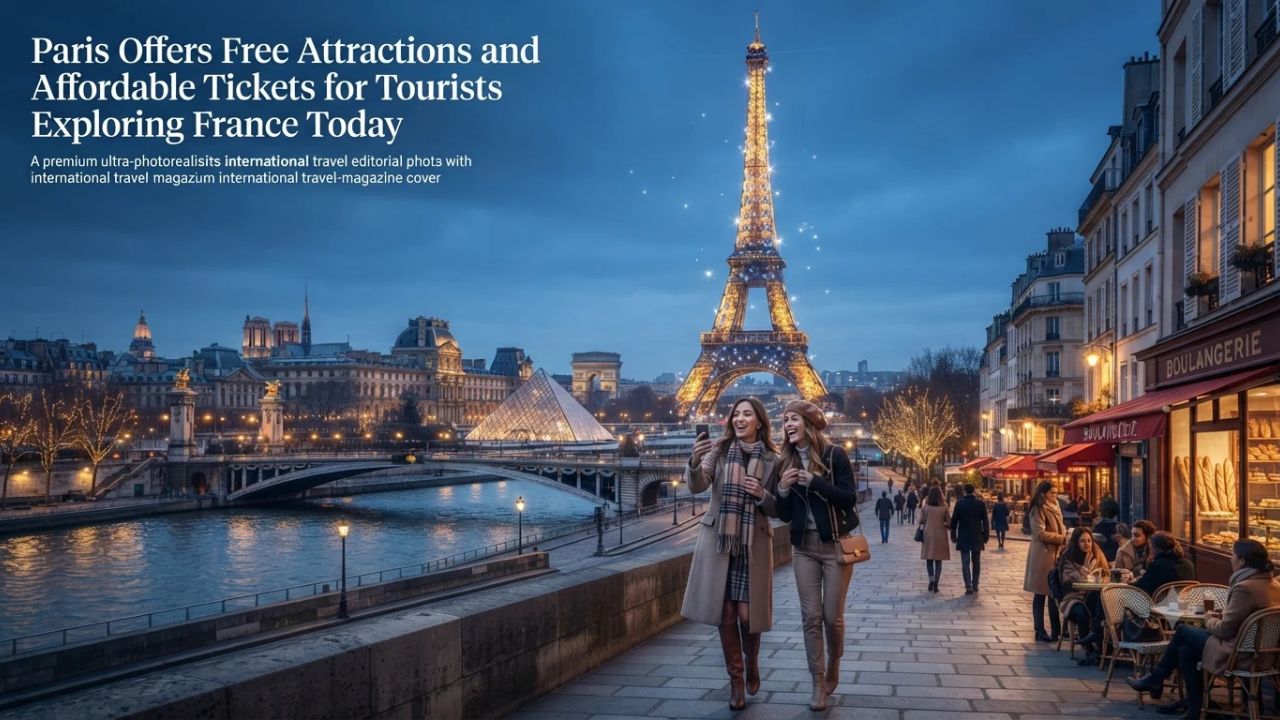
Paris Budget Travel Guide 2026: Master Free Attractions, New Metro Fares, Louvre Tiered Pricing, and Affordable Cultural Exploration
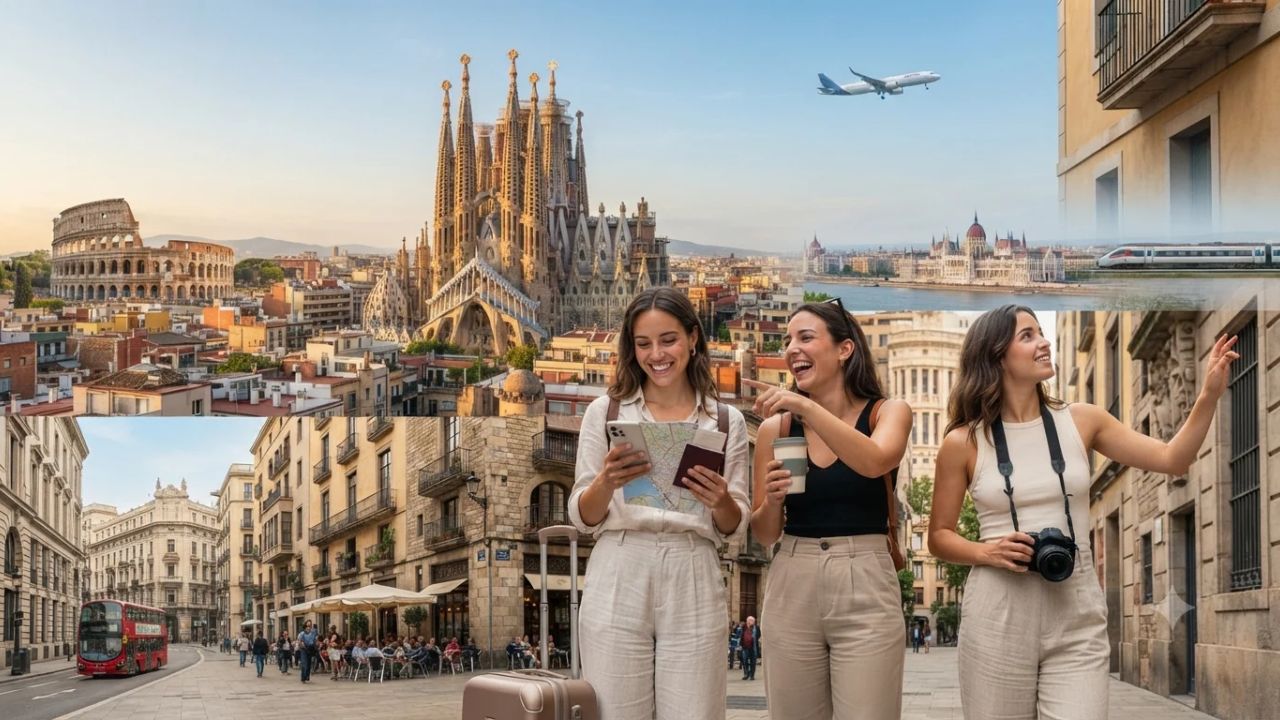
European Airport Layovers Reimagined: How Spain and Four Nations Unlock Affordable City Transit Tours Without Hotel Costs