
Egypt Young Tourism Ambassadors Step Into Global Spotlight in 2026
Egypt is investing in youth-led tourism ambassadors through digital training hubs and eco-tourism initiatives to strengthen global competitiveness. Young professionals are positioned as informal ambassadors across Siwa Oasis and Cairo in 2026.

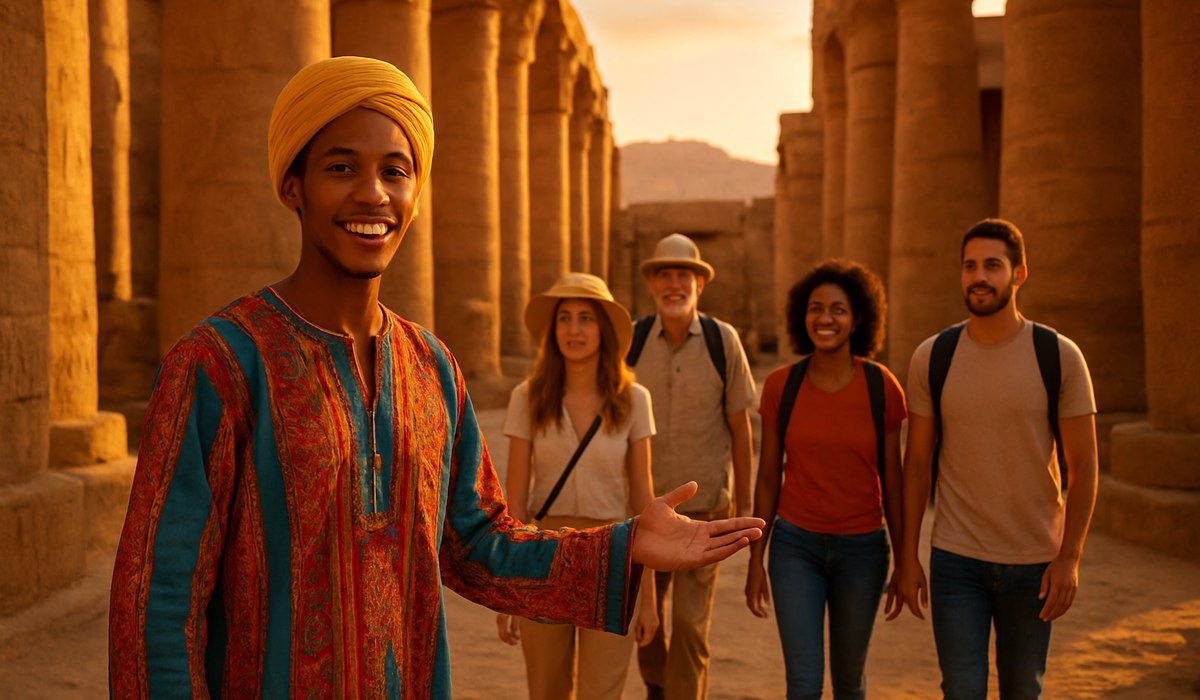
Image generated by AI
A New Generation Leads Egypt's Tourism Renaissance
Egypt is cultivating a new wave of youth tourism ambassadors through digital learning platforms and eco-tourism programs, positioning young professionals at the forefront of the nation's tourism strategy. From Cairo's innovative training hubs to Siwa Oasis eco-camps, Egypt is systematically grooming young Egyptians to enhance service quality, digital engagement, and sustainable tourism practices. This strategic pivot reflects recognition that Egypt young tourism growth depends on developing local talent fluent in modern hospitality, digital marketing, and environmental stewardship. The initiative aligns with Egypt's executive role in UN Tourism through 2029, signaling commitment to maintaining global competitiveness in an evolving travel landscape.
A Strategic Turn Toward Youth in Tourism Promotion
Egypt's government and civil society organizations have identified youth as essential to long-term tourism success. Tourism remains critical for foreign currency generation and employment, making workforce development a national priority. Young Egyptians now occupy central roles in how the country presents itself to international visitors, reflecting a deliberate shift from traditional infrastructure investment toward human capital development.
Educational institutions, NGOs, and government bodies are collaborating to prepare students and recent graduates for tourism careers. The emphasis extends beyond hospitality fundamentals to include soft skills, multilingual proficiency, and digital competency. These capabilities position young professionals as sophisticated tourism ambassadors capable of guiding visitors, managing online platforms, and meeting contemporary expectations for service excellence and environmental responsibility. Egypt's membership in UN Tourism governance structures reinforces this commitment to developing local expertise alongside international positioning.
Digital Learning Hubs and Career-Focused Training Programs
The Maharat for Tourism e-learning platform, launched in 2025 by SPARK with regional partners and private-sector technology support, has become instrumental in democratizing tourism education. This free online resource equips thousands of learners across the Middle East and North Africa with job-ready skills in customer service, digital marketing, and small business management.
For young Egyptians outside major urban centers, Maharat provides unprecedented access to professional credentials without geographical limitations. Social media-savvy youth in smaller cities can now obtain formal qualifications while maintaining existing connections. Simultaneously, Egyptian universities are expanding specialized tourism programs. Institutions like Mansoura University's Tourism and Hotels Faculty offer dedicated tracks in tourist guidance, museum studies, and applied guiding technologies. These curricula emphasize not merely historical knowledge but also communication proficiency and practical fieldwork, producing guides equipped to represent Egypt's heritage with confidence and cultural authenticity.
Academic research published in regional tourism journals emphasizes that continuous curriculum updates and industry partnerships remain essential. Graduates must navigate digital booking systems, address sustainability concerns, and respond to visitor preferences for authentic, environmentally conscious experiences.
Building Global Competitiveness Through Local Talent Development
Youth tourism ambassadors serve as Egypt's competitive advantage in an increasingly crowded global market. Young professionals fluent in multiple languages, comfortable with digital platforms, and trained in contemporary hospitality standards directly influence visitor satisfaction and repeat tourism.
The development of Egypt young tourism talent extends the country's tourism sector beyond traditional archaeological and resort-based offerings. These ambassadors promote destinations through social media, manage digital engagement, and cultivate authentic connections between visitors and local communities. Educational institutions and NGOs collaborate to identify high-potential candidates, offering scholarships and mentorship. Government support ensures that rural and underserved regions contribute to the talent pipeline, preventing geographic concentration of tourism expertise in Cairo and Giza. This decentralized approach strengthens tourism capacity across multiple regions and creates employment opportunities beyond major tourist centers, supporting broader economic development goals aligned with sustainable growth principles.
The Sustainability and Service Quality Factor
Contemporary tourism ambassadors understand that sustainability represents both ethical obligation and competitive necessity. Egypt young tourism initiatives increasingly integrate environmental education and climate resilience into ambassador training.
Eco-camps in Siwa Oasis exemplify this integration. Young volunteers participate in heritage exploration paired with workshops on water conservation, waste management, and local cultural preservation. These experiences establish environmental stewardship as integral to tourism identity, directly influencing how ambassadors interpret landscapes and communicate with visitors. Service quality improvements accompany sustainability focus. Ambassadors trained in digital systems, guest communication protocols, and conflict resolution deliver measurably superior visitor experiences. This enhanced reputation strengthens Egypt's position as a premium destination, justifying higher pricing and encouraging repeat visitation. The Youth Love Egypt Foundation and Volunteer Ambassadors 2030 Initiative demonstrate how recreational-cultural tourism activities simultaneously serve promotion and civic development objectives, creating mutually reinforcing benefits for communities and the tourism sector.
Key Initiatives and Measurable Outcomes
| Initiative | Launch Year | Target Region | Primary Focus | Expected Participants |
|---|---|---|---|---|
| Maharat for Tourism Platform | 2025 | MENA-wide (Egypt focus) | E-learning in customer service, digital marketing | 5,000+ annually |
| Mansoura University Tourism Faculty | Ongoing | Dakahlia Governorate | Bachelor's degree, museum studies, guide training | 200+ graduates annually |
| Youth Love Egypt Foundation Eco-Camps | 2023 | Siwa Oasis | Heritage exploration, sustainability education | 300+ volunteers annually |
| Volunteer Ambassadors 2030 Initiative | 2024 | Beni Suef Governorate | Skills workshops, awareness campaigns, cultural tourism | 150+ participants annually |
| Cairo Digital Training Hubs | 2025 | Greater Cairo Region | Social media marketing, booking systems, English proficiency | 1,000+ young professionals |
| UN Tourism Executive Council Membership | 2025-2029 | National level | International governance, tourism policy coordination | Government/institutional |
What This Means for Travelers
Egypt young tourism ambassador initiatives directly enhance your travel experience in several measurable ways:
-
Superior Service Standards — Younger, digitally-trained professionals provide more responsive customer service, multilingual support, and comfort with modern booking and communication technologies.
-
Enhanced Sustainability Practices — Eco-trained ambassadors guide you toward responsible tourism choices, directing visitors to sustainable accommodations and activities that minimize environmental impact.
-
Authentic Cultural Engagement — Ambassadors with formal heritage training and communication skills offer deeper, more nuanced interpretations of archaeological sites and local culture.
-
Improved Digital Accessibility — Social media-savvy young professionals actively promote lesser-known destinations, enabling more diverse travel itineraries beyond traditional Cairo-Giza-Luxor routes.
-
Reliable Safety and Support — Formally credentialed ambassadors trained in conflict resolution and emergency protocols provide greater traveler confidence and security.
Frequently Asked Questions
What qualifications do Egypt's youth tourism ambassadors receive?
Ambassadors complete formal training in customer service, digital marketing, heritage interpretation, and sustainability practices. Credentials range from online certifications through platforms like Maharat to university degrees in tourism management and archaeological guiding. Training emphasizes multilingual proficiency, digital platform literacy, and contemporary hospitality standards.
How can travelers identify trained youth ambassadors?
Credentialed ambassadors display official badges or certifications from recognized training programs like Maharat for Tourism or Egyptian university tourism faculties. Licensed tour guides must carry government-issued credentials. Many universities publish directories of accredited graduates available for private guiding services.
Are eco-tourism activities led by youth ambassadors available for travelers?
Yes. Siwa Oasis offers volunteer-led eco-camps combining archaeological exploration with sustainability education. The Youth Love Egypt Foundation coordinates visitor participation in these programs. Beni Suef's Volunteer Ambassadors 2030 Initiative advertises recreational-cultural trips emphasizing young professional leadership and environmental stewardship.
How does youth tourism ambassador development affect travel costs?
Enhanced service quality and sustainability practices may result in slightly higher pricing for premium guiding services. However, free and low-cost digital resources through Maharat democratize access to travel information. Overall, competitive pressure from improved local talent should moderate price increases while improving value proposition.
Disclaimer
This article is for informational and educational purposes only. It does not constitute legal, financial, or professional advice. While we strive to provide accurate and up-to-date information, travel policies, regulations, and conditions change rapidly. Always verify information with official sources before making travel decisions. Nomad Lawyer makes no representations about the accuracy, reliability, completeness, or suitability of the information provided. Readers should consult qualified professionals for advice specific to their circumstances. The views expressed in this article are those of the author and do not necessarily reflect the views of Nomad Lawyer.
Kunal K Choudhary
Co-Founder & Contributor
A passionate traveller and tech enthusiast. Kunal contributes to the vision and growth of Nomad Lawyer, bringing fresh perspectives and driving the community forward.
Learn more about our team →