
Eastern Europe Airspace Alerts Intensify as Russia-Ukraine Conflict Escalates
Heightened military activity in Ukraine's eastern and southern regions has pushed neighboring nations into a state of hi

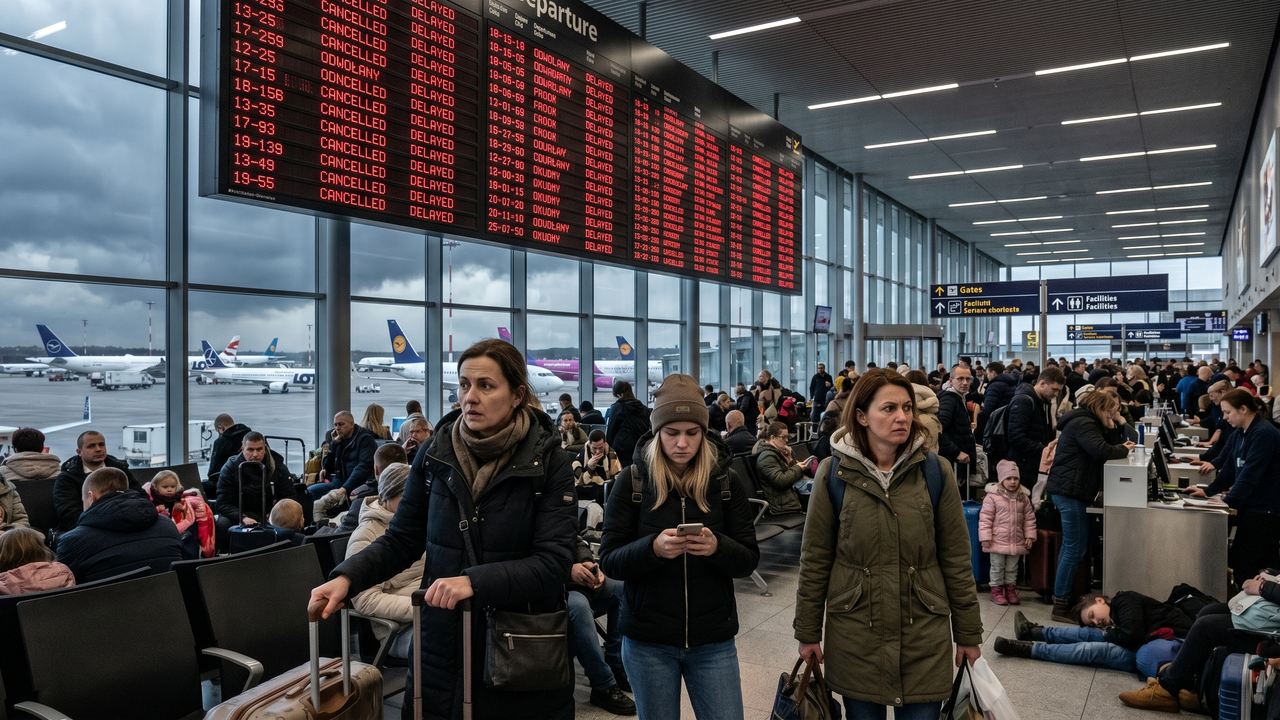
Image generated by AI
Aviation Crisis Deepens Across Eastern European Corridors
A surge in military activity within the Donbas, Kherson, and Zaporizhzhia regions has triggered a widespread escalation of airspace alerts across Eastern Europe. Poland, Romania, Moldova, Belarus, and Bulgaria are currently monitoring their skies with increased vigilance to prevent unauthorized incursions and ensure civilian flight safety.
While a total blockade of civilian airspace has not been implemented, the volatility of the region is forcing aviation authorities to dynamically adjust routing. This shift is creating a ripple effect across international flight networks, specifically impacting the critical transit corridors between Europe and Asia.
For airlines and passengers, this is no longer a temporary disruption but a structural risk. The instability is fundamentally altering how carriers plan long-haul trajectories and manage fuel and timing.
Direct Impacts on International Air Travel
The escalation in conflict-sensitive zones is translating into tangible challenges for global passengers. The most immediate effects include:
- Extended Flight Durations: Avoidance of high-risk zones is forcing aircraft into longer, less efficient flight paths from Europe to Asia.
- Rising Ticket Costs: Increased fuel consumption due to rerouting is leading to higher fares for passengers.
- Operational Delays: East-West connecting flights are seeing increased volatility, with longer safety buffers required between legs.
- Hub Congestion: Increased reliance on alternative transit hubs, such as Istanbul, Warsaw, Bucharest, and Sofia, may lead to indirect operational delays.
Regional Airspace Risk Assessment
The following table outlines the current status and specific aviation pressures facing the neighboring states:
| Country | Status Level | Aviation Impact | Key Risk Zone | Traveler Effect |
|---|---|---|---|---|
| 🇵🇱 Poland | HIGH ALERT | Europe–Asia rerouting pressure | NATO eastern corridor | Longer flight times |
| 🇷🇴 Romania | HIGH ALERT | Black Sea air traffic disruption | Southern air corridor | Transit delays possible |
| 🇲🇩 Moldova | ELEVATED | Limited routing flexibility | Ukraine proximity zone | Reduced flight options |
| 🇧🇾 Belarus | CRITICAL MONITORING | Restricted overflight planning | Strategic air corridor | Avoided by airlines |
| 🇧🇬 Bulgaria | ELEVATED | Southern route adjustments | Black Sea aviation belt | Schedule variations |
Strategic Hubs Under Scrutiny
While major airports remain open, the operational efficiency of several key hubs is being closely monitored due to their proximity to the conflict zones. These include:
- Warsaw Chopin Airport (Poland)
- Bucharest Henri Coandă Airport (Romania)
- Sofia Airport (Bulgaria)
- Chișinău International Airport (Moldova)
- Minsk National Airport (Belarus)
These facilities serve as vital links for transcontinental connectivity. Any further escalation could lead to more restrictive routing, further isolating these hubs from direct East-West traffic.
Shifting Airline Strategies and Tourism Trends
European carriers have adopted a conservative approach, prioritizing safety buffers over efficiency. Many are now utilizing southern corridors via the Middle East and Gulf hubs to bypass the volatility of Eastern Europe.
This instability is also reshaping the tourism economy. There is a noticeable decline in short-stay tourism in border-sensitive areas, as travelers opt for the perceived safety of Western and Southern Europe. Additionally, tour operators are reporting higher insurance premiums and a move away from multi-country Eastern European packages.
Guidance for Current and Future Travelers
To navigate this period of instability, passengers are advised to:
- Prioritize Flexibility: Book tickets with flexible change policies to accommodate sudden rerouting.
- Extend Connection Windows: Avoid tight layovers in Eastern European hubs to mitigate the risk of missed flights.
- Monitor Direct Communications: Rely on official airline notifications rather than general news for real-time routing updates.
- Utilize Major Hubs: Stick to large, well-established international hubs for the most reliable connection options.
Key Takeaways
- High Alert Status: Poland, Romania, Bulgaria, Moldova, and Belarus are on heightened alert due to conflict in Donbas, Kherson, and Zaporizhzhia.
- Route Disruptions: Europe-Asia flight paths are being rerouted, leading to longer travel times and increased fuel costs.
- Economic Ripple Effect: Higher ticket prices and a shift in tourism toward Western Europe are emerging as long-term trends.
- No Total Closure: Civilian airspace remains open, but operational decisions are now driven by security intelligence rather than efficiency.
FAQ
Is Eastern European airspace completely closed? No, there is no total blockade. However, there is active risk monitoring and significant rerouting to avoid conflict zones.
Why are ticket prices increasing? Rerouting around high-risk zones increases flight time and fuel consumption, costs which are typically passed on to the consumer.
Which airports are most affected? Hubs in Warsaw, Bucharest, Sofia, Chișinău, and Minsk are most sensitive to these operational shifts.
Is it safe to travel to Europe? Most of Western and Southern Europe remains unaffected. Travelers to Eastern Europe should monitor airline advisories and government travel warnings.
Related Travel Guides
Disclaimer
This article is for informational and educational purposes only. It does not constitute legal, financial, or professional advice. While we strive to provide accurate and up-to-date information, travel policies, regulations, and conditions change rapidly. Always verify information with official sources before making travel decisions. Nomad Lawyer makes no representations about the accuracy, reliability, completeness, or suitability of the information provided. Readers should consult qualified professionals for advice specific to their circumstances. The views expressed in this article are those of the author and do not necessarily reflect the views of Nomad Lawyer.
Preeti Gunjan
Contributor & Community Manager
A passionate traveller and community builder. Preeti helps grow the Nomad Lawyer community, fostering engagement and bringing the reader experience to life.
Learn more about our team →