
EaseMyTrip Foundation Heritage Tourism Partnership Upgrades Qutub Minar
EaseMyTrip Foundation partners with Archaeological Survey of India to launch Savee Cafeteria at Qutub Minar in 2026, modernizing visitor amenities at Delhi's iconic heritage monument through public-private collaboration.

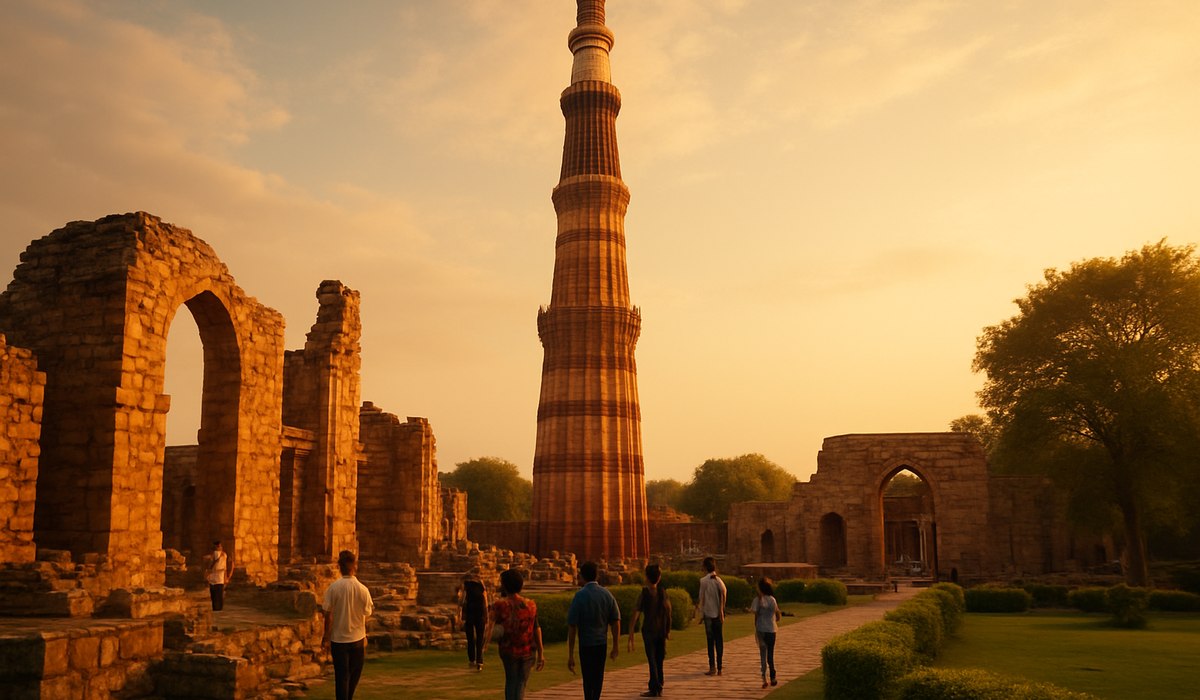
Image generated by AI
Private Sector Partnership Transforms Iconic Delhi Monument
EaseMyTrip Foundation has partnered with the Archaeological Survey of India to launch Savee Cafeteria at Qutub Minar, marking a significant milestone in how India's heritage tourism infrastructure evolves. This collaboration introduces modern food and beverage facilities to one of the nation's most visited archaeological sites, located in the heart of New Delhi. The initiative demonstrates a strategic shift toward public-private partnerships that enhance visitor experiences while maintaining the historical integrity of UNESCO-protected monuments. By combining corporate expertise with government stewardship, this easemytrip foundation heritage tourism initiative sets a precedent for sustainable infrastructure development across India's heritage sector.
Public-Private Partnership Strengthens India's Heritage Tourism
The collaboration between EaseMyTrip Foundation and the Archaeological Survey of India represents a transformative approach to heritage tourism management in India. Rather than relying solely on government resources, this model leverages private sector efficiency to upgrade visitor amenities at protected sites. Qutub Minar, India's tallest minaret dating back to the 12th century, attracts nearly one million visitors annually, creating substantial demand for quality facilities. The Savee Cafeteria addresses a critical gap in the visitor experience by providing hygienic, affordably-priced food options within the monument premises. This partnership model signals broader acceptance of commercial involvement in heritage conservation, provided it aligns with preservation standards set by the Archaeological Survey of India. Such collaborations can be replicated across India's extensive portfolio of heritage sites, potentially generating sustainable revenue streams while improving visitor satisfaction rates.
Savee Cafeteria: Modernizing the Qutub Minar Experience
The Savee Cafeteria represents more than just dining infrastructure at Qutub Minar; it embodies a comprehensive upgrade to the visitor journey. The facility prioritizes cleanliness, food safety, and affordability—three factors that international travelers consistently cite in heritage site reviews. With temperature-controlled spaces, this cafeteria offers respite from Delhi's intense summer heat, which can exceed 45 degrees Celsius. The menu is curated to serve diverse dietary preferences while showcasing regional Indian cuisine, allowing visitors to experience local culinary traditions during their heritage tourism visit. Staff training ensures cultural sensitivity and professional service standards. By integrating modern convenience with heritage conservation principles, Savee Cafeteria demonstrates how commercial amenities can enhance the qutub minar experience without compromising archaeological integrity. The facility's design incorporates sustainable practices, including waste management systems compliant with UNESCO site requirements.
ASI's Role in Infrastructure Development
The Archaeological Survey of India maintains strict oversight of all developments at protected monuments, ensuring that commercial initiatives align with conservation mandates. ASI's involvement in this easemytrip foundation heritage tourism project reflects institutional confidence in private sector capability. The government body conducts environmental impact assessments, monitors structural integrity, and enforces heritage preservation protocols on every infrastructure addition. By collaborating with reputable organizations like EaseMyTrip Foundation, ASI demonstrates flexibility in achieving dual objectives: heritage protection and visitor satisfaction. This governance model prevents commercialization from compromising archaeological authenticity while acknowledging that modern travelers expect contemporary amenities. The oversight mechanism ensures accountability, regular compliance audits, and community feedback integration. Such structured partnerships enable ASI to manage over 3,700 protected monuments more effectively, distributing infrastructure development costs while maintaining centralized quality control and historical stewardship.
Broader Implications for Indian Heritage Sites
The successful launch at Qutub Minar provides a blueprint for upgrading infrastructure across India's extensive heritage network. Thousands of archaeological sites operate under ASI jurisdiction, many lacking basic visitor facilities like clean water, sanitation, and food services. This partnership model addresses infrastructure gaps that historically deterred international tourists and limited domestic visitation. As India targets 50 million annual heritage tourism visits by 2030, facilities improvements become critical to competitive positioning against international destinations. The easemytrip foundation heritage tourism initiative demonstrates that commercial entities can contribute to conservation sustainability without profit-driven exploitation. Success at Qutub Minar could attract investment in heritage sites across Rajasthan, Gujarat, and Tamil Nadu—regions with significant archaeological concentrations. Enhanced visitor infrastructure directly correlates with increased tourism revenues, benefiting local communities through employment and business opportunities. This momentum positions heritage tourism as a viable economic development strategy, particularly for rural areas surrounding protected monuments.
Best Time to Visit Qutub Minar
The optimal visiting period for Qutub Minar extends from October through March, when Delhi's temperatures range between 12-25 degrees Celsius. During these months, the weather remains comfortable for extended exploration of the monument and surrounding Mehrauli Archaeological Park. Summer months (April-June) bring intense heat exceeding 40 degrees Celsius, making outdoor sightseeing exhausting despite improved cafeteria facilities. The monsoon season (July-September) brings humidity and occasional flooding that can restrict site access. Weekend mornings between 6-8 AM offer the least crowded experiences, allowing intimate engagement with the architecture. The evening light around 4-5 PM creates optimal photography conditions, transforming the minaret's intricate stone carvings into dramatic visual compositions. Visiting during weekdays reduces wait times at facilities and provides a more contemplative heritage tourism experience. Consider consulting the official India tourism board for seasonal event calendars that may coincide with your visit.
How to Get There
Qutub Minar is located in South Delhi's Mehrauli neighborhood, approximately 15 kilometers south of the city center. The most convenient approach involves Delhi's Metro rapid transit system; the Yellow Line connects the monument directly via Qutb Minar station, located just 500 meters from the entrance. Journey time from central Delhi averages 30-40 minutes depending on departure location. Taxi services and ride-sharing applications (Uber, Ola) offer alternative transport with estimated fares between ₹300-500 from central locations. Personal vehicles can access dedicated parking facilities near the entrance, though traffic congestion during peak hours (10 AM-2 PM) warrants early arrival. The nearest major transit hub is Karol Bagh, serviced by multiple metro lines enabling connections across the city. International travelers arriving at Indira Gandhi International Airport (25 kilometers north) typically require 60-90 minutes travel time depending on traffic conditions. Consider downloading offline maps and transit applications before arrival, as mobile connectivity near the monument may be inconsistent.
Key Data Points: Qutub Minar Heritage Site Overview
| Metric | Details |
|---|---|
| Monument Height | 72.5 meters (238 feet) |
| Construction Period | 1193-1368 CE |
| Annual Visitors | Approximately 1 million |
| UNESCO Status | World Heritage Site (1993) |
| Savee Cafeteria Launch | May 2026 |
| Opening Hours | 7 AM - 5 PM daily |
| Entrance Fee | ₹30 (Indian citizens), ₹600 (foreigners) |
| Nearest Metro Station | Qutb Minar (Yellow Line) |
| Site Area | 13.27 hectares |
| Primary Architecture Style | Indo-Islamic (12th-13th century) |
What This Means for Travelers
The Savee Cafeteria launch directly enhances your Qutub Minar visit through multiple improvements:
-
Extended Stay Comfort – Modern food facilities enable longer site exploration without leaving the premises, allowing deeper engagement with architectural details and historical context across multiple hours.
-
Budget-Friendly Dining – Affordable pricing ensures that heritage tourism remains accessible across income levels, democratizing quality dining at premium archaeological sites compared to expensive
Disclaimer
This article is for informational and educational purposes only. It does not constitute legal, financial, or professional advice. While we strive to provide accurate and up-to-date information, travel policies, regulations, and conditions change rapidly. Always verify information with official sources before making travel decisions. Nomad Lawyer makes no representations about the accuracy, reliability, completeness, or suitability of the information provided. Readers should consult qualified professionals for advice specific to their circumstances. The views expressed in this article are those of the author and do not necessarily reflect the views of Nomad Lawyer.
Raushan Kumar
Founder & Lead Developer
Full-stack developer with 11+ years of experience and a passionate traveller. Raushan built Nomad Lawyer from the ground up with a vision to create the best travel and law experience on the web.
Learn more about our team →