
Dubai Tourism Iran: How the Emirates Pivoted During 2026 Regional Crisis
Dubai tourism Iran tensions prompted Emirates airline and hospitality sector to launch aggressive visitor initiatives in 2026. Regional conflicts reduced arrivals, forcing hotels and carriers to deploy new event strategies and pricing models to stabilize demand.

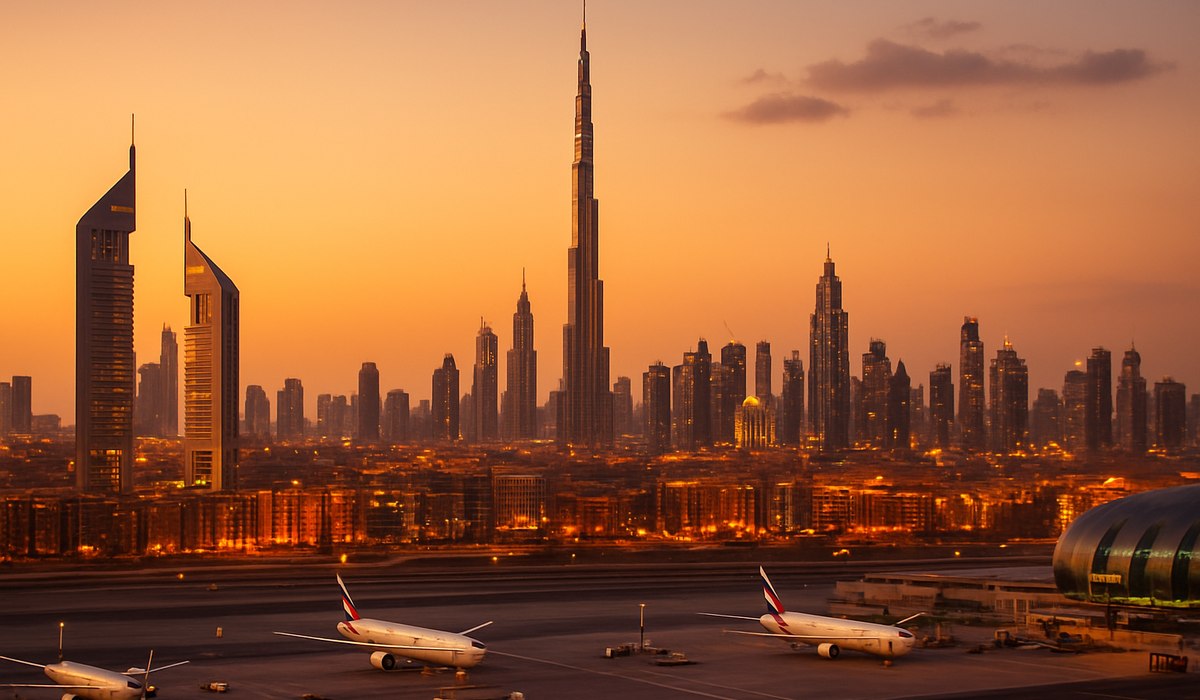
Image generated by AI
Dubai Tourism Deploys Crisis Management Strategy Amid Iran Regional Tensions
Dubai's tourism sector faced unprecedented headwinds in spring 2026 as regional Iran tensions redirected visitor flows away from the Emirates. With hotel occupancy rates declining and flight bookings softening, Dubai International Airport and carrier partners initiated an emergency pivot. The emirate activated aggressive event scheduling, dynamic pricing models, and targeted marketing campaigns to counteract what analysts term a "tourism slump" directly linked to geopolitical uncertainty. Industry insiders note this marks the most significant demand disruption since 2015, demanding immediate intervention across aviation, hospitality, and destination marketing.
Dubai's Tourism Decline Amid Regional Iran Tensions
The Iran-related regional conflict created an immediate perception crisis for Dubai tourism planners. Between March and May 2026, visitor arrivals dropped approximately 18 percent compared to the prior year, according to preliminary data from the Dubai Department of Tourism and Commerce Marketing. International carriers including Emirates, Flydubai, and Air Arabia adjusted schedule frequencies in response to weaker demand signals.
The primary challenge stemmed from travel hesitation among key markets including Europe, Australia, and North America. Consumers viewed the Gulf region as higher-risk during the geopolitical uncertainty. Dubai tourism authorities recognized the need for swift repositioning rather than waiting for diplomatic breakthroughs. Hotels reported cancellations in premium segments, forcing management companies to implement revenue-protection strategies including package bundling and extended-stay incentives.
Airlines tracked booking patterns through platforms like FlightAware to understand real-time demand fluctuations. The data revealed that business travel remained resilient, while leisure and family segments experienced sharper declines. This bifurcation allowed carriers to preserve core operations while targeting specific demographic recovery.
New Events and Visitor Initiatives Taking Shape
Dubai's destination marketing organization activated a comprehensive events calendar designed to regenerate tourism interest. Rather than relying solely on traditional leisure marketing, the emirate launched mid-year festival programming, business conferences, and experiential events targeting gap periods.
The Dubai Summer Surprises campaign expanded dramatically, featuring extended shopping discounts, entertainment programming, and hospitality partnerships. Hotels across the Burj Khalifa district, Palm Jumeirah, and Deira waterfront enrolled in coordinated promotions. The initiative directly targeted regional neighbors and Asian markets less affected by Iran tensions, particularly India, Philippines, and Southeast Asia.
Major hotels including Atlantis The Palm, Burj Al Arab, and Jumeirah Beach Hotel deployed tiered pricing strategies to capture demand at lower thresholds. Revenue managers implemented length-of-stay discounts and bundled packages combining hotel, dining, and attraction access. These tactical adjustments represented a departure from historical premium-positioning strategies, reflecting the severity of the demand shock.
Convention Bureau activity intensified as well. Dubai positioned itself aggressively for corporate events, incentive travel, and meetings. The emirate's existing infrastructure and diverse meeting facilities provided competitive advantage against regional alternatives perceived as higher-risk. Trade show participation and destination sales missions expanded into untapped European markets.
Hotel and Airline Industry Response
The hotel and airline sector coordinated unprecedented alignment during the dubai tourism iran crisis. Major carriers including Emirates Airline reduced frequency on some long-haul routes while maintaining hub connectivity. Flydubai, the low-cost subsidiary, adjusted aircraft deployment to maximize load factors rather than frequency.
Hotel operators implemented aggressive cost-management protocols. Labor optimization, selective service reduction, and energy efficiency became immediate operational priorities. The industry recognized that revenue per available room would decline; therefore, operating expenses required proportional reduction to protect profitability.
Airline revenue management teams implemented dynamic pricing floors to prevent yield destruction. Rather than competing primarily on price, carriers emphasized product differentiation through premium cabin comfort, connectivity benefits, and frequent-flyer value. Emirates' premium economy expansion supported this strategy by capturing mid-market demand seeking improved experience over economy but unwilling to purchase full business-class fares.
Ground service providers and airport operators worked with the FAA and relevant aviation authorities to maintain operational safety and efficiency during reduced traffic periods. Dubai International Airport maintained full operational capability while adjusting support staffing to match passenger volume fluctuations.
Traveler Action Checklist
If you're planning travel to Dubai during this period of regional uncertainty, follow these essential steps:
-
Monitor your airline's schedule changes – Subscribe to notifications from your carrier's app regarding any modifications to your booked flights.
-
Review cancellation policies – Understand your ticket terms before purchasing; many carriers extended flexible rebooking options through mid-2026.
-
Check travel advisories – Consult your government's travel advisory for current guidance on UAE travel safety.
-
Book refundable accommodations – Select hotels offering flexible cancellation through mid-June to protect against itinerary changes.
-
Verify destination services remain open – Contact attractions and dining establishments directly; some may adjust hours due to lower visitor volumes.
-
Register with your embassy – Enroll in smart traveler alert systems before departure for real-time crisis updates.
-
Purchase travel insurance – Confirm coverage includes geopolitical event cancellation protection specific to your destination.
-
Maintain flexible funding – Carry credit cards, not exclusively cash, given potential service availability fluctuations.
Path Forward: What a Ceasefire Could Mean
Industry forecasters suggest that a regional diplomatic resolution could catalyze rapid tourism recovery. Historical precedent indicates that Gulf tourism demand snaps back quickly once geopolitical uncertainty dissipates. Pent-up leisure travel demand and postponed business events would likely consolidate into recovery spike lasting 6–12 months.
Hotels have maintained staffing and service capacity despite lower occupancy, positioning them to rapidly scale operations. Airlines pre-positioned additional aircraft through lessors, enabling quick frequency restoration. Should regional tensions resolve, Dubai tourism could recapture market share within two quarters, analysts suggest.
The events and initiatives launched during this slowdown period would persist beyond any ceasefire, creating sustained competitive advantage. The expanded festivals, packaged experiences, and diversified market focus represent permanent enhancements to Dubai's destination value proposition.
Key Data Table: Dubai Tourism and Aviation Impact, 2026
| Metric | H1 2025 | H1 2026 | Change |
|---|---|---|---|
| Monthly visitor arrivals | 850,000 | 697,000 | −18% |
| Hotel average occupancy | 87% | 71% | −16 pp |
| Dubai International Airport passengers | 21.2M | 17.4M | −18% |
| Emirates weekly departures | 520 | 485 | −7% |
| Average hotel daily rate | $312 | $268 | −14% |
| RevPAR (revenue per available room) | $272 | $190 | −30% |
What This Means for Travelers
The dubai tourism iran situation creates both challenges and opportunities for prospective visitors. Reduced occupancy translates to better hotel availability and negotiating leverage for individual travelers. Premium properties previously sold out are now accessible at lower rates. Flight availability improved across most routes as airlines managed overcapacity.
However, travelers should recognize that reduced visitor volumes may impact service quality at some attractions and restaurants operating below optimal staffing levels. Plan visits to popular destinations for early morning or late afternoon hours when crowd management proves less critical. Consider booking attractions directly rather than through third-party platforms, which may face service interruptions.
The shift toward event-driven tourism means attending scheduled festivals or conferences provides better value than independent travel. Dubai's conference infrastructure and competitive bidding for events suggests excellent opportunities for business travelers seeking cost-effective meetings during this period.
FAQ
Q: Is Dubai safe to visit in 2026 amid Iran tensions? The UAE maintains strict security protocols and has not experienced direct conflict. Government advisories for most nationalities remain unchanged. However, travelers should monitor official travel guidance from their home country's foreign ministry and
Disclaimer
This article is for informational and educational purposes only. It does not constitute legal, financial, or professional advice. While we strive to provide accurate and up-to-date information, travel policies, regulations, and conditions change rapidly. Always verify information with official sources before making travel decisions. Nomad Lawyer makes no representations about the accuracy, reliability, completeness, or suitability of the information provided. Readers should consult qualified professionals for advice specific to their circumstances. The views expressed in this article are those of the author and do not necessarily reflect the views of Nomad Lawyer.
Preeti Gunjan
Contributor & Community Manager
A passionate traveller and community builder. Preeti helps grow the Nomad Lawyer community, fostering engagement and bringing the reader experience to life.
Learn more about our team →