
Japan Airlines CEO Takes 30% Pay Cut Following Cabin Crew Alcohol Policy Breach
Breaking airline news and aviation industry updates for 2026.

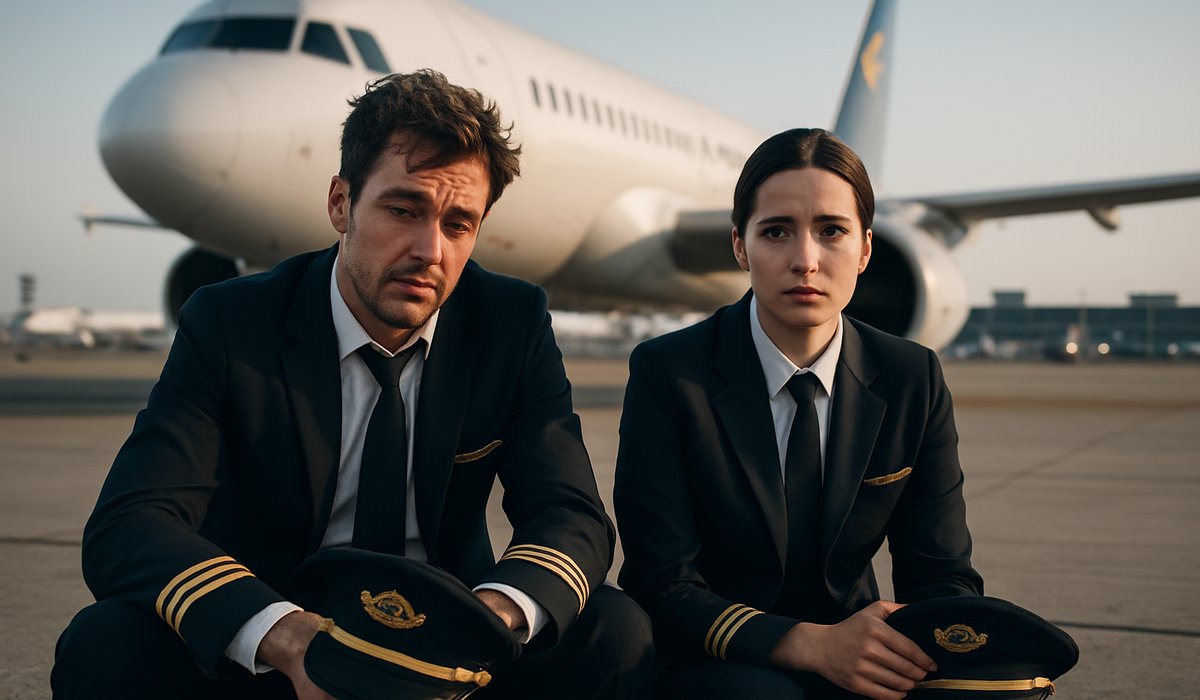
Image generated by AI
Japan Airlines CEO Takes 30% Pay Cut Following Cabin Crew Alcohol Policy Breach
Executive accountability measures intensify as major carrier tightens safety protocols in wake of crew conduct incident
Major Incident Triggers Executive Accountability at Japan Airlines
Japan Airlines' Chief Executive Officer Mitsuko Tottori will forfeit 30% of her compensation in the coming months following a significant breach of company conduct standards involving flight crew members. The temporary salary reduction represents a stark demonstration of executive-level accountability at one of Asia's largest carriers, underscoring the aviation industry's zero-tolerance stance toward safety and operational protocol violations.
Details of the Breach and Discovery
The incident centered on two cabin crew members who allegedly violated Japan Airlines' strict alcohol consumption policies during a scheduled layover. The violation came to light when pre-duty screening procedures identified irregularities with at least one crew member before their next scheduled flight assignment. The discovery triggered immediate operational disruptions and prompted a comprehensive internal investigation into the circumstances surrounding the breach.
Industry observers note that pre-flight alcohol testing represents a critical safeguard in commercial aviation. Crew members operating under the influence pose significant risks to passenger safety and aircraft operation, making such violations among the most serious infractions within airline protocols.
Organizational Response and Future Measures
The CEO's voluntary pay reduction signals Japan Airlines' commitment to reinforcing safety culture across all operational levels. By implementing executive consequences, the carrier demonstrates that accountability flows from the top of the organization downward—a message particularly important in an industry where passenger trust depends entirely on rigorous safety standards.
The carrier has initiated additional reviews of its alcohol policy enforcement mechanisms and crew screening procedures. These measures reflect broader industry trends toward enhanced pre-flight protocols, particularly following high-profile incidents at competing carriers over recent years.
Broader Context for Aviation Safety Standards
Commercial aviation maintains some of the world's strictest substance use policies, with regulatory bodies across jurisdictions—including the Federal Aviation Administration and European Union Aviation Safety Agency—imposing mandatory testing requirements. Japan Airlines' response aligns with these international standards while demonstrating internal governance commitment.
The incident occurs amid heightened focus on cabin crew conduct following similar violations at other major Asian and international carriers. Industry experts emphasize that such breaches, while rare given the scale of global flight operations, warrant swift organizational responses to maintain public confidence in air travel safety systems.
Japan Airlines continues operating normally following the incident, with no passenger safety compromise reported.
FAQ: Understanding Aviation Safety and Crew Accountability
Q: What are typical airline alcohol policies for crew members? A: Most international carriers prohibit crew members from consuming alcohol within 12-24 hours before duty assignments, with random testing protocols standard across major airlines.
Q: How common are crew alcohol violations in commercial aviation? A: Such incidents remain extremely rare relative to total flight operations, but are treated as serious matters when they occur due to safety implications.
Q: What operational disruptions result from crew alcohol violations? A: Airlines must reschedule flights, reassign crew members, and conduct investigations, potentially affecting hundreds of passengers and generating significant operational costs.
Q: Why do aviation executives face consequences for crew misconduct? A: Executive accountability emphasizes organizational responsibility for safety culture and the effectiveness of oversight systems designed to prevent such violations.
Q: Are there regulatory consequences beyond internal penalties? A: Yes—depending on jurisdiction, regulators may impose fines, mandate additional training requirements, or conduct independent safety audits of airline procedures.
Related Travel Guides
External Resources
Disclaimer
This article is for informational and educational purposes only. It does not constitute legal, financial, or professional advice. While we strive to provide accurate and up-to-date information, travel policies, regulations, and conditions change rapidly. Always verify information with official sources before making travel decisions. Nomad Lawyer makes no representations about the accuracy, reliability, completeness, or suitability of the information provided. Readers should consult qualified professionals for advice specific to their circumstances. The views expressed in this article are those of the author and do not necessarily reflect the views of Nomad Lawyer.
Raushan Kumar
Founder & Lead Developer
Full-stack developer with 11+ years of experience and a passionate traveller. Raushan built Nomad Lawyer from the ground up with a vision to create the best travel and law experience on the web.
Learn more about our team →