
Drivers Highest Ever Monthly Petrol and Diesel Rises in March 2026
Drivers face record-breaking fuel price surges in March 2026, with petrol and diesel hitting highest ever monthly increases. Middle East tensions drive unprecedented travel cost pressures affecting nomadic professionals worldwide.

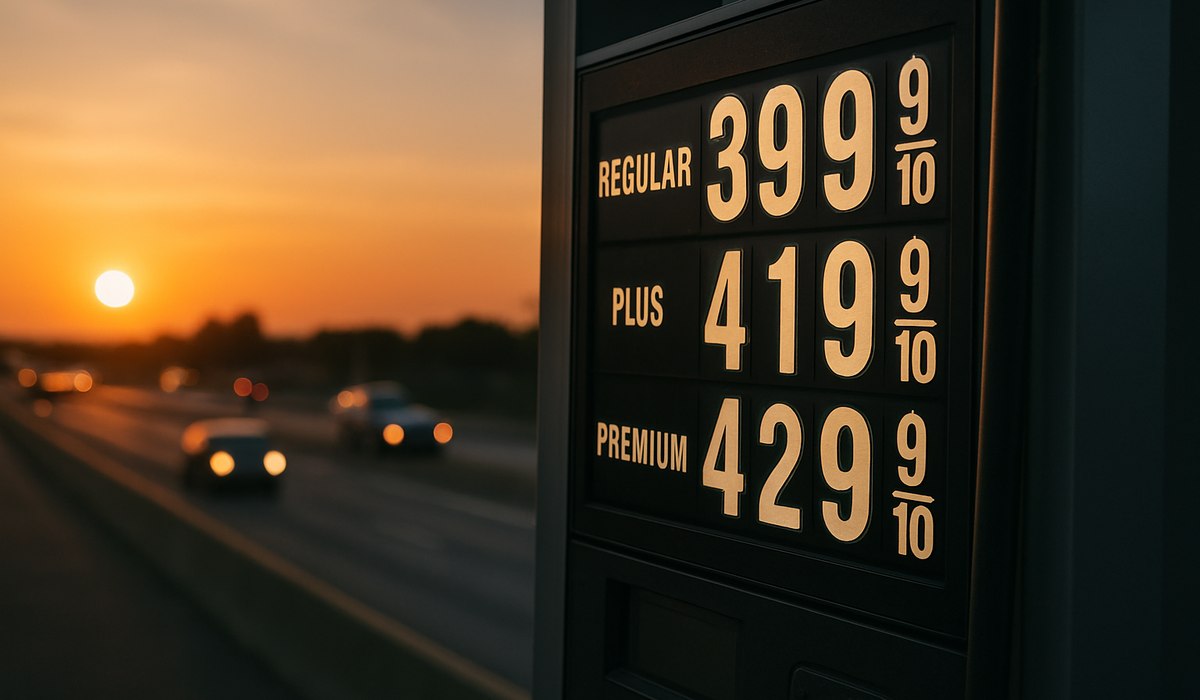
Image generated by AI
Historic Fuel Price Surge Devastates March Travel Plans
Drivers face their worst fuel cost crisis ever as March 2026 delivers the highest monthly petrol and diesel price increases on record. Diesel prices climbed by up to 40 pence per litre—nearly 18 pence above the previous record established four years earlier—according to automotive industry experts. Unleaded petrol similarly reached unprecedented monthly surge levels. These drivers highest ever price hikes stem directly from escalating geopolitical tensions centered in Iran, disrupting global energy supplies and rippling through transportation costs worldwide. Digital nomads, remote workers, and traveling professionals now confront dramatically elevated vehicle operational expenses that fundamentally reshape travel budgeting assumptions.
Record-Breaking Fuel Price Increases Hit Travelers
The March 2026 fuel crisis represents a watershed moment for motorists across Europe and beyond. Previous monthly records pale beside the current surge—the 40-pence diesel increase shattered previous highs by substantial margins. This dramatic acceleration reflects immediate market responses to Middle Eastern instability affecting crude oil production and refinery operations. Nomadic professionals relying on vehicle transportation for work and lifestyle must reassess fuel budget allocations. A single long-distance road trip now incurs significantly higher expenses than anticipated just weeks earlier. Travel planners face impossible decisions: delay journeys, modify routes for efficiency, or absorb unprecedented fuel costs into already-stretched travel budgets. The psychological impact extends beyond financial considerations, creating travel anxiety among remote workers dependent on mobility for maintaining location independence.
Impact on Digital Nomads and Remote Workers
Remote workers maintaining nomadic lifestyles face particular vulnerability to fuel price volatility. Unlike office-based employees with predictable commute costs, digital nomads often traverse multiple countries monthly, accumulating substantial fuel expenses. The March 2026 spike transforms what seemed manageable transportation budgets into significant financial burdens. Professionals planning European van life, road-tripping through Asia, or exploring African coastlines suddenly discover fuel costs consuming disproportionate percentages of monthly budgets. Accommodation and food expenses remain relatively stable, but fuel volatility creates planning uncertainty. Digital nomads must recalculate cost-of-living assumptions that attracted them to specific regions. Rising fuel prices particularly impact budget travelers in developing nations where fuel represents larger budget percentages. The crisis forces difficult choices: extending stays in specific locations to reduce travel frequency, investing in more fuel-efficient vehicles, or shifting toward regions with better public transportation infrastructure.
Strategies to Mitigate Rising Travel Costs
Smart travelers implement multiple tactics to navigate fuel price surges. First, consolidate journeys to maximize route efficiency—fewer trips across greater distances proves more economical than fragmented travel patterns. Second, research fuel prices across regions; substantial variations exist between neighboring countries and cities. Third, consider alternative transportation modes: trains, buses, and ride-sharing sometimes prove cheaper than personal vehicle fuel costs during price spikes. Fourth, invest in fuel-efficient vehicles or hybrids if planning extended nomadic periods. Remote workers should evaluate whether temporary relocation to fuel-subsidized regions makes economic sense. Digital nomads in Southeast Asia, Central America, and Eastern Europe discover substantially lower fuel costs than Western Europe, potentially offsetting relocation expenses. Some professionals strategically plan road trips during anticipated price stabilization periods. Membership programs like fuel discount cards or loyalty programs attached to credit cards provide modest savings accumulating across months of travel.
Global Fuel Price Outlook and Travel Planning
Energy market analysts warn that fuel volatility may persist throughout 2026 and beyond. Geopolitical tensions rarely resolve quickly, and even temporary resolutions require months for supply chains to stabilize. Nomadic professionals should abandon assumptions of stable fuel pricing that characterized earlier decades. Instead, build contingency buffers into travel budgets—assume 15-20% higher fuel costs than historical averages. Monitor fuel price trends through dedicated tracking platforms and fuel industry reports. Consider purchasing fuel in regions experiencing temporary price dips, though this strategy requires careful planning and storage considerations. Insurance against fuel price volatility extends beyond personal vehicles; accommodation, food delivery, and tourism activity costs indirectly reflect energy expenses. Remote workers adjusting location decisions should factor geopolitical risk assessments into destination selections. Regions dependent on imported fuel face greater price volatility than nations with domestic energy production. Long-term travel planning requires flexibility to shift destinations quickly if fuel or energy prices spike unexpectedly in current locations.
Record Fuel Price Surge: Key Data Table
| Metric | March 2026 Value | Previous Record | Increase |
|---|---|---|---|
| Diesel Monthly Rise | 40p per litre | 22p per litre | 82% above previous high |
| Unleaded Petrol Rise | Historic high | Previous baseline | Significantly elevated |
| Affected Regions | Global | Europe-focused | Worldwide impact |
| Primary Cause | Iran tensions | Oil market conditions | Geopolitical disruption |
| Impact Timeline | March 2026 onward | Month-specific | Ongoing volatility |
| Consumer Response | Budget restructuring | Temporary adjustment | Fundamental planning shift |
What This Means for Travelers
Nomadic professionals must immediately reassess travel cost assumptions. Here are actionable steps:
-
Recalculate monthly budgets incorporating 15-20% higher fuel expense buffers until prices stabilize. Review vehicle fuel efficiency; underpowered or poorly maintained vehicles waste precious fuel during price spikes.
-
Extend stays in current locations rather than making frequent moves. Reducing travel frequency directly decreases total fuel consumption and associated expenses. Remote workers can accomplish professional obligations while minimizing vehicle usage.
-
Investigate alternative transportation routes using public transit, trains, or buses where available. These alternatives often prove economical during fuel price surges, particularly across Europe's excellent rail networks.
-
Shift destinations strategically toward regions with lower fuel costs or better public transportation. Southeast Asia, Central America, and parts of Eastern Europe offer substantially cheaper fuel, enabling comfortable nomadic lifestyles despite price spikes elsewhere.
-
Track real-time fuel prices using dedicated apps and platforms. Fuel price information guides daily routing decisions and helps identify optimal refueling locations across travel routes.
-
Connect with digital nomad communities sharing real-time cost-of-living intelligence. Experienced remote workers in specific regions provide invaluable insights into current transportation expenses and practical money-saving strategies.
FAQ: Drivers Highest Ever Fuel Prices
Q: Why did diesel prices rise 40 pence in a single month? A: Iran's geopolitical tensions directly disrupted crude oil production and global refinery operations. Energy markets respond to supply uncertainty with immediate price increases. Diesel, essential for commercial transportation and heavy vehicles, experiences steeper price spikes than unleaded petrol during supply disruptions affecting international trading patterns and export capabilities.
Q: Which countries experienced the highest fuel price increases? A: European nations importing crude oil faced maximum impact, particularly countries without domestic production capacity. Developing nations sometimes experience even greater percentage increases despite lower absolute prices. Middle Eastern nations with domestic production capacity maintained relatively stable prices, creating significant regional price variations nomadic travelers can exploit strategically.
Q: When will fuel prices return to normal levels? A: Energy markets require months or years to stabilize following geopolitical disruptions. Supply chain normalization takes substantial time even after political situations resolve. Analysts suggest continued volatility throughout 2026, with potential stabilization extending into 2027 depending on Middle Eastern developments and international diplomatic outcomes.
Q: How can digital nomads reduce fuel expenses during price surges? A: Extend location stays, consolidate trips, utilize public transportation, and shift toward fuel-subsidized regions. Some remote workers invest in fuel-efficient vehicles or hybrid powertrains reducing consumption by 20-30%. Planning travel during anticipated seasonal price dips and monitoring commodity futures markets helps identify optimal timing
Disclaimer
This article is for informational and educational purposes only. It does not constitute legal, financial, or professional advice. While we strive to provide accurate and up-to-date information, travel policies, regulations, and conditions change rapidly. Always verify information with official sources before making travel decisions. Nomad Lawyer makes no representations about the accuracy, reliability, completeness, or suitability of the information provided. Readers should consult qualified professionals for advice specific to their circumstances. The views expressed in this article are those of the author and do not necessarily reflect the views of Nomad Lawyer.
Preeti Gunjan
Contributor & Community Manager
A passionate traveller and community builder. Preeti helps grow the Nomad Lawyer community, fostering engagement and bringing the reader experience to life.
Learn more about our team →