
Dorsett Putrajaya Unveils Ramadan 2027 Packages and Sustainable Hospitality Strategy
Dorsett Putrajaya is expanding its Muslim-friendly tourism offerings with dedicated Ramadan 2027 buffet and stay packages while implementing aggressive plastic reduction and linen recycling initiatives.
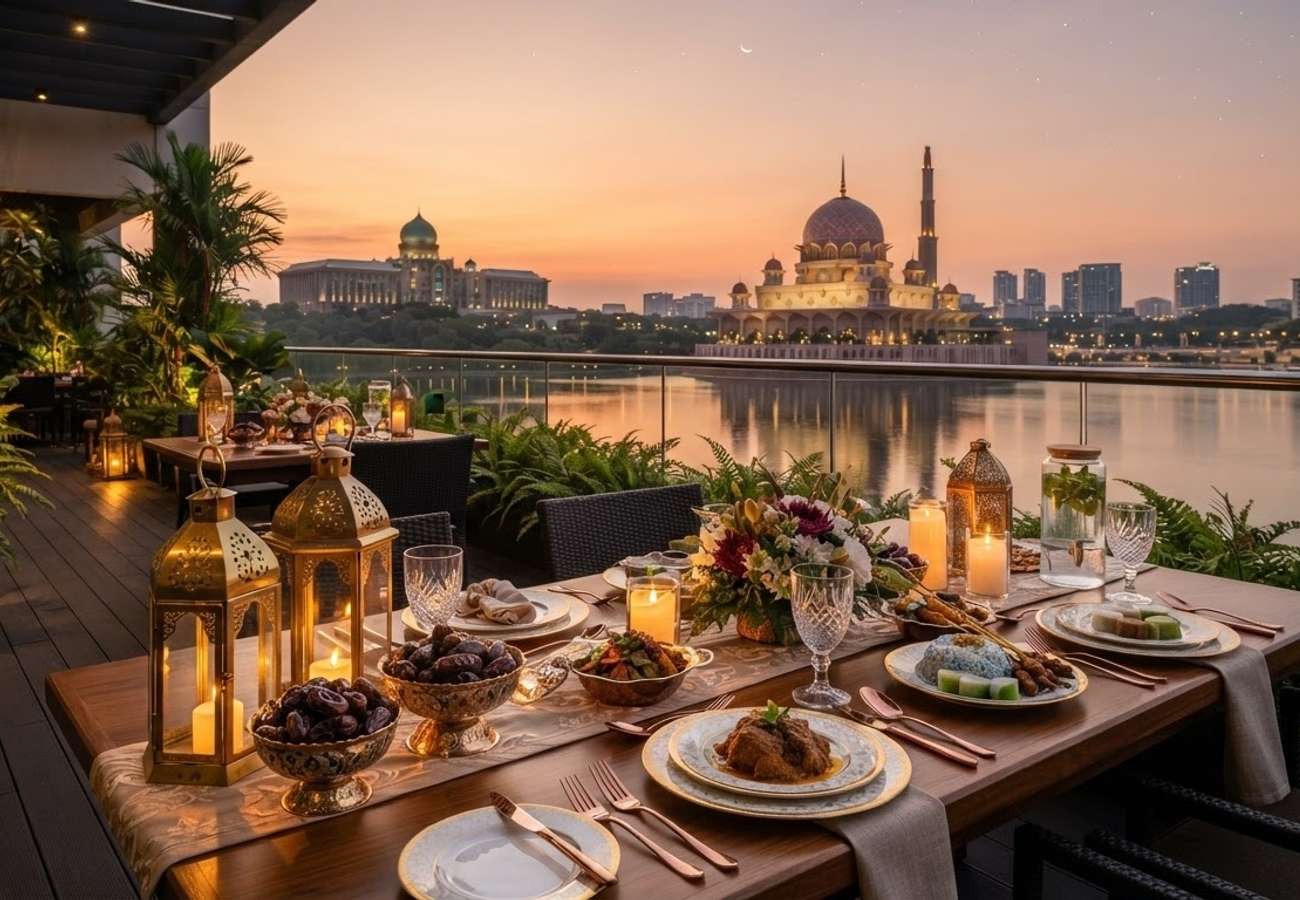
Image generated by AI
Dorsett Putrajaya is pivoting its operational strategy to integrate high-yield cultural tourism with aggressive environmental mandates, specifically targeting the 2027 Ramadan season.
During the MATTA Fair Malaysia, Charles Han, Assistant Market Manager at Dorsett Putrajaya, confirmed the hotel is developing a dual-track offering for the 2027 Islamic calendar. This strategy combines traditional religious observance with modern hospitality, focusing on specialized Ramadan buffet experiences and integrated stay packages.
This move aligns with a broader national push by Tourism Malaysia, the Islamic Tourism Centre (ITC), and the Ministry of Tourism, Arts and Culture (MOTAC) to solidify Malaysia's position as a global leader in the Muslim-friendly tourism ecosystem.
Strategic Shift Toward Sustainable Operations
Beyond seasonal offerings, Dorsett Putrajaya is restructuring its daily operations to reduce its environmental footprint. The hotel is moving away from the industry-standard reliance on single-use plastics and textile waste.
Key sustainability milestones currently being implemented include:
- Elimination of Bottled Water: The hotel has phased out traditional bottled water in favor of hotel-wide water filtration systems and dispensers.
- Textile Circularity: Management is currently exploring the repurposing of damaged or aged linens to transform them into new merchandise or products.
- Strategic Partnerships: The property is initiating collaborations with external organizations to scale its responsible tourism framework.
Diversifying the Putrajaya Destination Profile
A primary objective for Dorsett Putrajaya is the repositioning of the city. While Putrajaya is widely recognized as Malaysia's administrative capital, the hotel is actively marketing it as a leisure and cultural hub.
By leveraging its location, the hotel is providing expanded visitor resources to highlight the city's modern architecture, waterfront areas, and landscaped surroundings. The goal is to transition the property's image from a strictly business-centric hotel to a versatile destination for both corporate and leisure travelers.
Market Adaptation and Guest Demographics
To capture a younger demographic, the hotel is updating its service models and dining concepts. This includes the introduction of new recipes and refreshed service approaches designed to appeal to emerging traveler groups who prioritize personalized, lifestyle-oriented experiences over standardized hotel stays.
Comparison of Ramadan Hospitality Models in Malaysia
The following table outlines the standard industry framework for Ramadan offerings in the Malaysian market, which Dorsett Putrajaya is utilizing for its 2027 planning.
| Package Type | Typical Features |
|---|---|
| Ramadan Buffet | Iftar dining, traditional Malaysian cuisine, live cooking stations, family-centric dining |
| Ramadan Staycation | Integrated hotel accommodation paired with exclusive dining benefits |
| Muslim-Friendly Stays | Halal-certified facilities, dedicated prayer spaces, and family-oriented amenities |
Why This Matters
From a logistical and market perspective, Dorsett Putrajaya's strategy reveals a critical shift in the Southeast Asian hospitality sector. We are seeing a transition where "Muslim-friendly" is no longer just about Halal certification, but about creating a comprehensive "experience economy" around religious observances.
For the travel industry, the real impact is the synchronization of sustainability with cultural tourism. By installing water filtration systems and recycling linens, the hotel is addressing the "green guilt" often associated with large-scale buffet events and high-turnover hotel stays. This allows them to attract a more conscious, younger traveler who expects both cultural authenticity and environmental responsibility.
Furthermore, the effort to rebrand Putrajaya from a government hub to a tourist destination suggests an attempt to decongest Kuala Lumpur. If successful, this will distribute tourism revenue more evenly across the region and create new niches for boutique and luxury hospitality providers in administrative zones.
Industry Outlook
Expect to see an increase in "Circular Hospitality" models across Malaysia. The move toward linen recycling and the total removal of plastic bottles at Dorsett Putrajaya is likely a precursor to stricter national environmental mandates for the hotel sector by 2027.
Additionally, the integration of the "MY Ramadan Experience" programme into hotel stay packages indicates that the government will continue to incentivize hotels to move beyond simple dining services. The future of the region's hospitality will likely be defined by these hyper-localized, culturally synchronized packages that combine accommodation, faith, and sustainability.
The transition from business-centric to leisure-integrated hospitality is now a requirement for survival in the Putrajaya market.
Related Travel Guides
Disclaimer
This article is for informational and educational purposes only. It does not constitute legal, financial, or professional advice. While we strive to provide accurate and up-to-date information, travel policies, regulations, and conditions change rapidly. Always verify information with official sources before making travel decisions. Nomad Lawyer makes no representations about the accuracy, reliability, completeness, or suitability of the information provided. Readers should consult qualified professionals for advice specific to their circumstances. The views expressed in this article are those of the author and do not necessarily reflect the views of Nomad Lawyer.
Naina Thakur
Contributor & Travel Specialist
Travel enthusiast and legal writer covering visa regulations, responsible tourism, and cultural journeys across global destinations.
Learn more about our team →