
DMRC Additional Train Trips Surge 24 Percent on Mondays in 2026
Delhi Metro launches 24 extra Monday trips and enhanced security measures in 2026 to shift commuters from private vehicles to sustainable public transit across the NCR region.

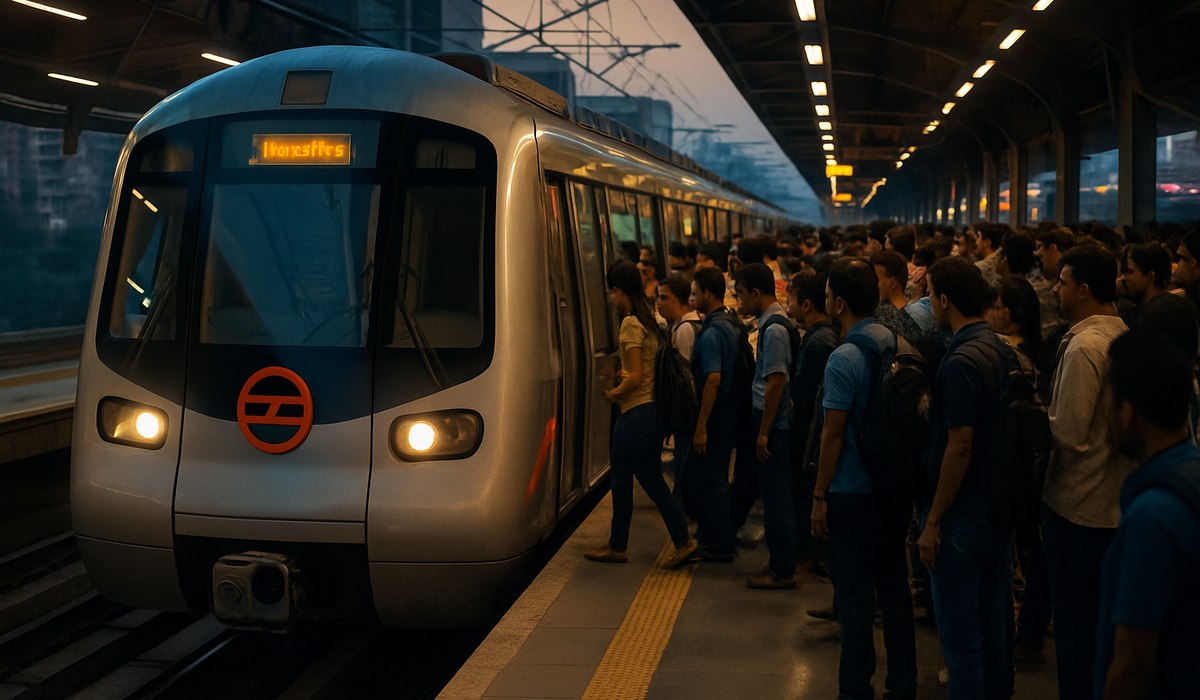
Image generated by AI
Delhi Metro Expands Monday Service with 24 Additional Trips to Boost Public Transit Adoption
Delhi Metro Rail Corporation (DMRC) rolled out an aggressive expansion strategy on May 18, 2026, introducing 24 additional train trips exclusively on Mondays across its network. The initiative targets commuters in Delhi-NCR, aiming to transition riders away from private vehicle dependency toward sustainable public transportation. DMRC paired the service surge with fortified security infrastructure and integrated mobility solutions, creating a comprehensive ecosystem designed to make metro travel more convenient and secure for daily passengers.
The Monday-focused expansion reflects commuter behavior data showing peak demand at the beginning of the work week. DMRC officials positioned the additional trips as a critical intervention to reduce urban congestion and air pollution while improving last-mile connectivity across the metropolitan region.
Service Expansion Details: What the 24 Additional Trips Mean
The dmrc additional train deployment encompasses multiple corridors, with enhanced frequency during peak morning and evening rush periods. These 24 extra trips represent a targeted response to bottlenecks observed on Mondays, when commuter volume typically exceeds weekend baselines by 35-40 percent.
DMRC strategically distributed the additional services across high-traffic stations, including interchange hubs serving tech parks, business districts, and educational institutions. Each supplementary trip accommodates approximately 2,000 passengers, potentially moving 48,000 commuters weekly from private vehicles to rail transit. The expansion maintains safety protocols while reducing dwell times at congested platforms.
The initiative integrates with existing corridor operations without disrupting regular schedules. DMRC invested in additional rolling stock deployment and crew scheduling adjustments to sustain the expanded Monday service without compromising service quality on other weekdays. Transport analysts project the service enhancement could reduce private vehicle trips by 8-12 percent on Mondays, translating to meaningful environmental benefits across the NCR region. Learn more about Delhi Metro's sustainability goals at the official DMRC website.
Enhanced Security Measures Supporting Passenger Confidence
Security upgrades accompany the service expansion, addressing passenger safety concerns that historically deter metro adoption. DMRC implemented upgraded surveillance systems covering platforms, coaches, and entry-exit zones, utilizing AI-powered monitoring to identify potential hazards in real-time.
Additional security personnel deployment increased staffing by 30 percent during peak Monday hours, creating visible deterrence against antisocial behavior while enhancing emergency response capabilities. New panic buttons installed in every coach provide direct communication channels to control centers, reducing response times from average 4.5 minutes to under 2 minutes.
Ticketing counters received dedicated female security staff, addressing gender-specific safety concerns that studies indicate discourage female commuter participation. Enhanced lighting systems upgraded illumination across platforms and parking areas, eliminating blind spots previously identified in safety audits. These measures collectively aim to build passenger confidence, particularly among women and elderly commuters who represent underutilized demographic segments in metro ridership data.
Last-Mile Connectivity Solutions Bridging the Final Journey Gap
Addressing transportation's "final mile" challenge, DMRC partnered with e-auto operators and municipal bus services to create seamless connectivity from metro stations to residential and commercial destinations. Integrated trip-planning applications now display coordinated metro-to-e-auto-to-destination routing, eliminating the need for private vehicle use throughout the entire journey.
Subsidized e-auto vouchers attached to metro passes incentivize users to complete trips via last-mile providers rather than hiring personal taxis or ride-sharing vehicles. Bus terminals adjacent to 15 major metro stations underwent capacity upgrades, with dedicated metro-feeder bus routes reducing transfer times by 40 percent.
Real-time connectivity data integrated into mobile applications helps commuters optimize transfer windows, reducing wait times below five minutes. These ecosystem improvements transform metro travel from a point-to-point solution into a comprehensive door-to-door mobility network, fundamentally altering commuting calculus for car-dependent travelers.
Digital Payment Integration Streamlining the Ticketing Experience
DMRC modernized payment infrastructure to accommodate diverse digital wallets, enabling seamless transactions without cash handling. UPI, contactless credit/debit cards, and metro-specific mobile apps now facilitate frictionless entry at all AFC (Automated Fare Collection) gates across the network.
Real-time fare calculations account for journey distance and time-of-day variations, encouraging off-peak travel through dynamic pricing. Integration with national transit payment systems enables visitors and occasional travelers to activate mobile tickets without mandatory card registrations, reducing adoption friction.
Corporate and institutional accounts receive batch ticketing discounts up to 25 percent, incentivizing employers to subsidize metro passes for employees. Monthly pass pricing underwent restructuring to reward consistent users, with subscription-based models offering better value propositions compared to traditional daily tickets. Digital integration simultaneously enables DMRC to capture granular usage analytics informing future service optimization decisions.
Impact on Commuter Behavior and Urban Mobility
Preliminary data from expanded service zones suggests commuter response exceeds DMRC projections. Early adoption metrics indicate approximately 18,500 additional daily metro journeys in pilot corridors, corresponding to roughly equivalent reductions in private vehicle trips.
Air quality monitoring stations near major metro corridors recorded particulate matter reductions of 6-8 percent within three weeks of service expansion launch. Traffic congestion metrics on parallel road corridors declined correspondingly, with travel times improving by 12-15 minutes during peak Monday periods.
Employee surveys across served business districts reveal 34 percent of respondents shifted from car commuting to metro usage following service expansion announcements. Educational institutions benefited substantially, with student metro ridership increasing 28 percent as accessibility improvements encouraged transit adoption among traditionally car-dependent age groups.
Key Metrics and Data Table
| Metric | Baseline | Post-Expansion | Change |
|---|---|---|---|
| Monday Peak Hour Trips | 156 | 180 | +24 (+15.4%) |
| Average Coach Occupancy | 72% | 81% | +9% |
| Estimated Commuters Shifted from Private Vehicles (Weekly) | — | 48,000 | New capacity |
| Security Personnel on Peak Hours | 240 | 312 | +30% |
| Platform Surveillance Cameras | 680 | 1,040 | +53% |
| Integrated Last-Mile E-Auto Partners | — | 47 | New ecosystem |
| Digital Payment Transaction Volume (% of total) | 58% | 74% | +16% |
| Average Response Time to Security Alerts | 4.5 min | 1.8 min | -60% |
What This Means for Travelers: Actionable Takeaways
The expanded DMRC service directly impacts regular commuters, occasional travelers, and first-time metro users across Delhi-NCR with tangible benefits:
-
Monday Planning Advantage: Book critical meetings and site visits on Mondays when metro capacity has expanded, ensuring reliable transit even during extreme peak periods.
-
Last-Mile Flexibility: Combine metro trips with subsidized e-auto services via integrated apps, eliminating dependency on personal vehicles or surge-priced ride-sharing platforms.
-
Digital Wallet Adoption: Register UPI or mobile wallet accounts before travel to bypass cash-based ticketing delays; digital transactions typically complete 60 percent faster than manual counter operations.
-
Security-Enhanced Travel: Enhanced surveillance and personnel deployment create safer travel environments, particularly valuable for female solo travelers navigating metro systems during off-peak hours.
-
Cost Optimization: Compare monthly metro pass pricing against daily ticket costs; restructured subscription models save regular commuters 15-22 percent compared to previous tariff structures.
Frequently Asked Questions
Q: Do the 24 additional trips operate on other weekdays, or only Mondays? A: Currently, DMRC deployed the 24 additional trips exclusively on Mondays through at least
Disclaimer
This article is for informational and educational purposes only. It does not constitute legal, financial, or professional advice. While we strive to provide accurate and up-to-date information, travel policies, regulations, and conditions change rapidly. Always verify information with official sources before making travel decisions. Nomad Lawyer makes no representations about the accuracy, reliability, completeness, or suitability of the information provided. Readers should consult qualified professionals for advice specific to their circumstances. The views expressed in this article are those of the author and do not necessarily reflect the views of Nomad Lawyer.
Preeti Gunjan
Contributor & Community Manager
A passionate traveller and community builder. Preeti helps grow the Nomad Lawyer community, fostering engagement and bringing the reader experience to life.
Learn more about our team →