
Divorce Guide for Digital Nomads: Canadian Family Law When Returning Home
Canadian digital nomad returning home? Learn how Ontario family law applies to divorce, child custody, support & assets when re-establishing residency after years abroad.

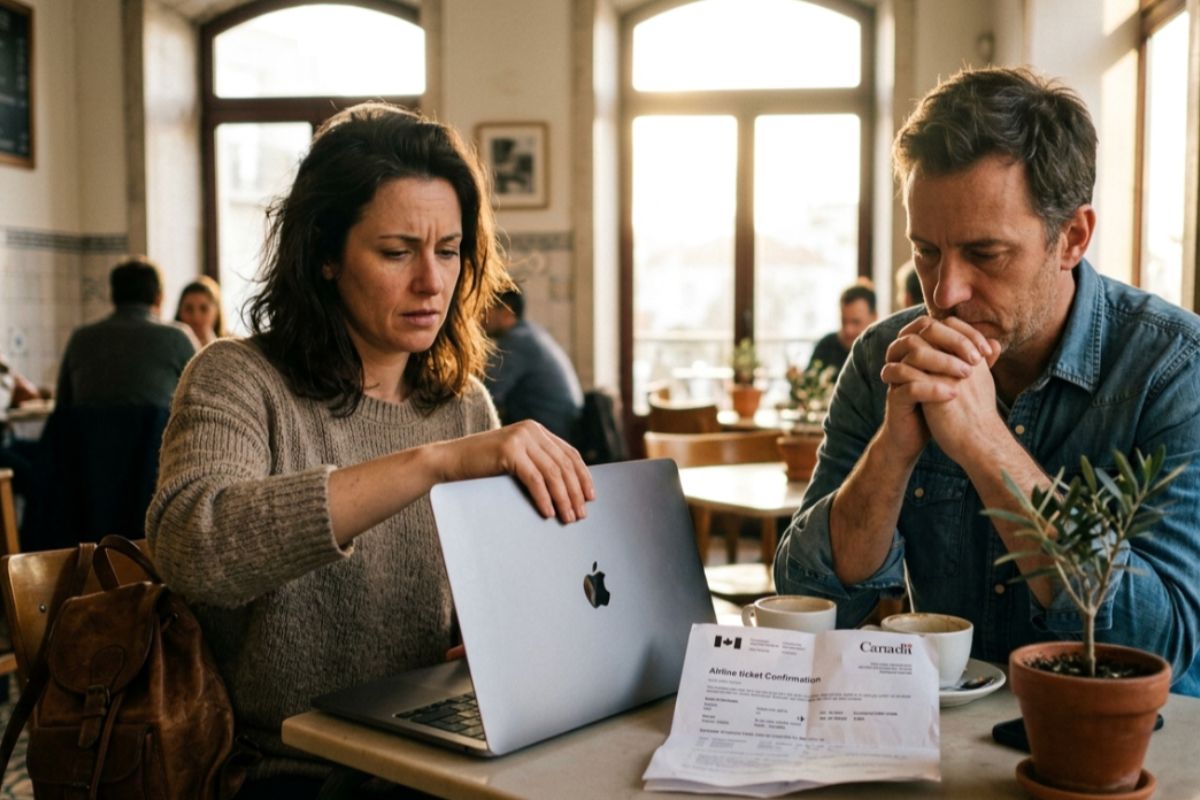
For thousands of Canadian digital nomads, the return home often coincides with the end of a marriage
The laptop closes in a sunlit café in Lisbon. The flight home is booked. And suddenly the conversation you've been avoiding for months can no longer be postponed. For thousands of Canadian digital nomads, the decision to return to Ontario after years abroad often coincides with the end of a marriage. What felt like a simple plane ticket home quickly becomes a crash course in Canadian family law — a system that still applies even after years of border-hopping.
Many nomads assume their relationship is governed by the last country they lived in, or that distance somehow pauses legal obligations. The reality is more straightforward and, for some, surprising: the moment you re-establish residency in Ontario, the province's family law rules kick in. This is especially true for anyone returning to the Durham Region or Oshawa, where courts see more and more cases involving international moves, remote work income, and cross-border parenting arrangements.
Canada's overall divorce rate has reached a 50-year low of just 5.6 per 1,000 married persons, down from 12.7 in the early 1990s. Yet that headline number hides a more complex story for mobile Canadians. Separated and divorced individuals move at significantly higher rates than married couples — nearly 44% in a five-year period compared with 31.5% for those still married. For digital nomads, that mobility is even more pronounced.
Why "Habitual Residence" Is the First Rule Nomads Must Understand
Canadian courts determine jurisdiction based on where you are "habitually resident." Spend even a few months rebuilding your life in Oshawa or nearby Ajax, Whitby, or Pickering, and Ontario courts will almost certainly take jurisdiction over your divorce and related matters. This principle protects local stability while still respecting international realities.
For many returning nomads, this creates an immediate shift. A marriage that felt governed by Thai, Portuguese, or Mexican rules suddenly falls under Ontario's Family Law Act. The change can feel jarring, but it also brings clear protections — especially around children and financial fairness.
In practice, this means that even if you signed documents abroad, Ontario courts will review them through a local lens. Separation agreements drafted overseas are not automatically binding here. Judges will look at whether they meet Canadian standards of fairness, particularly when children or significant assets are involved.
The Unique Pressures Nomads Face When Returning to Ontario
Returning home after years on the road already involves major adjustments: reconnecting with family, finding stable housing, and rebuilding routines. Adding divorce to that mix multiplies the complexity. Many nomads discover that their global lifestyle has created financial and parenting arrangements that don't fit neatly into traditional Canadian models.
Ontario courts have seen a noticeable rise in cases involving remote workers and international assets. Shared parenting arrangements now appear in roughly 22 to 31% of contested cases, reflecting a broader societal shift toward flexible custody that actually aligns well with many nomads' values. Yet proving "best interests of the child" when one parent may still travel or live abroad requires careful documentation and local insight.
Income from remote work, cryptocurrency holdings, or overseas clients must be fully disclosed. The Federal Child Support Guidelines apply strictly, and spousal support calculations consider the full picture of earning capacity — including the lifestyle you maintained while abroad. Property acquired during the marriage, even if earned on a beach in Bali, is generally subject to equalization under Ontario rules.
How Durham Region and Oshawa Fit Into the Picture
For nomads choosing the Durham Region, the return often feels like a soft landing. Oshawa's waterfront trails along Lake Ontario, strong public school system, and growing tech and remote-work community make it attractive for those seeking stability without Toronto prices. Many nomads settle in neighbourhoods like North Oshawa, Taunton, or near the university, where family-friendly amenities and community programs help ease the transition for children.
Local family law professionals see these cases regularly. They understand how to balance the desire for continued travel with the need for predictable parenting schedules. Courts in the region also tend to be practical — judges who recognize that modern families don't always fit the 9-to-5 mold.
Child Custody and Parenting Time: Building Stability After a Nomadic Life
One of the most emotional parts of returning is figuring out custody and parenting time. Ontario courts focus entirely on the best interests of the child. For nomads, this often means demonstrating that the return to Durham Region creates greater stability — consistent schooling, local sports teams, extended family support, and routines that weren't possible while bouncing between countries.
Judges look at practical factors: school enrolment in Oshawa or nearby, daily caregiving capacity, and how each parent can maintain meaningful involvement even if one continues some travel. Many returning parents are surprised to learn that courts now favour shared parenting time when it's feasible, recognizing that children benefit from strong relationships with both parents.
Child Support and Spousal Support in a Global Economy
Support calculations in Ontario take a broad view of income. Remote earnings, freelance contracts, cryptocurrency gains, and overseas investments all factor in. The guidelines are designed to ensure children maintain a similar standard of living post-separation, while spousal support considers the economic disadvantages one partner may have faced during the marriage — including time spent supporting a nomadic lifestyle.
For digital nomads, this can work in both directions. Someone who built a successful remote business abroad may face higher support obligations, while the partner who paused career progression to enable travel may qualify for spousal support. Transparency is essential; courts expect full disclosure of global finances.
Property Division: What Counts When You've Lived Everywhere
Ontario uses an equalization system rather than community property. Assets acquired during the marriage — including those earned while living abroad — are generally equalized. This includes real estate in other countries, cryptocurrency wallets, business interests, and even digital assets. The key is the date of separation and proper valuation.
Many nomads are surprised to learn that even items purchased with "nomad income" during the marriage can be subject to division. Proper documentation from every country you lived in becomes critical.
The Practical Timeline for Nomads Coming Home
Most returning nomads follow a similar path. First, they re-establish physical presence in Ontario. Once habitual residence is clear, they can begin the formal separation process. The standard one-year separation period still applies for divorce, but many couples choose to negotiate a comprehensive separation agreement first to avoid court.
Uncontested divorces in Ontario can be completed in as little as four to six months. Contested matters involving children or complex assets take significantly longer. Early legal advice helps nomads decide which path makes sense for their situation. This is where local knowledge becomes invaluable — a family law lawyer in Oshawa who understands both international moves and Ontario family law can help you protect assets earned abroad, set realistic parenting schedules across borders, and ensure support calculations reflect your true nomadic income picture.
Practical Steps That Actually Work
Returning nomads who handle the process well tend to follow a few consistent steps. They gather financial records from every jurisdiction they've lived in. They document children's routines and schooling in both the old and new locations. Many choose mediation first because it allows creative solutions that courts might not order — such as virtual parenting time or travel provisions.
Updating wills, powers of attorney, and beneficiary designations is often overlooked but critically important. A nomadic life means previous documents may no longer reflect current realities.
Frequently Asked Questions
What happens if my spouse stays abroad while I return to Oshawa? Ontario courts can still take jurisdiction if you establish habitual residence here. Judges will consider the best interests of any children and may order virtual or scheduled in-person parenting time. A clear separation agreement early on can prevent years of conflict.
Do I have to disclose cryptocurrency and overseas income? Yes. Ontario requires full financial disclosure, including global assets and income. Hiding cryptocurrency or foreign accounts can lead to serious penalties and unfavourable court rulings. Working with a professional who understands digital assets makes the process smoother.
How long does an uncontested divorce take in Ontario? If both parties agree and all paperwork is complete, uncontested divorces typically take four to six months from the date of filing. Having a well-drafted separation agreement in place speeds things up significantly.
Can a separation agreement signed abroad be enforced in Ontario? Not automatically. Ontario courts will review any foreign agreement to ensure it meets local standards of fairness, especially regarding children and financial support. It's wise to have a local review before relying on it.
Related Legal Guides
How an Employment Lawyer Can Help You Handle Wrongful Termination in New Zealand
Digital Nomad Visa Guide: Legal Requirements for Remote Workers Abroad
Ontario Family Law for Expats: Asset Division and Support After Life Abroad
Disclaimer
This article is for informational and educational purposes only. It does not constitute legal, financial, or professional advice. While we strive to provide accurate and up-to-date information, travel policies, regulations, and conditions change rapidly. Always verify information with official sources before making travel decisions. Nomad Lawyer makes no representations about the accuracy, reliability, completeness, or suitability of the information provided. Readers should consult qualified professionals for advice specific to their circumstances. The views expressed in this article are those of the author and do not necessarily reflect the views of Nomad Lawyer.
Raushan Kumar
Founder & Lead Developer
Full-stack developer with 11+ years of experience and a passionate traveller. Raushan built Nomad Lawyer from the ground up with a vision to create the best travel and law experience on the web.
Learn more about our team →