
Disruption Denmark Line: Catenary Collapse Halts Eastern Rail Services
A catastrophic overhead electrical failure on April 14, 2026, damaged 30+ trains and halted Denmark's eastern rail network. The disruption Denmark line collapse stemmed from a faulty catenary tensioning system in West Zealand.

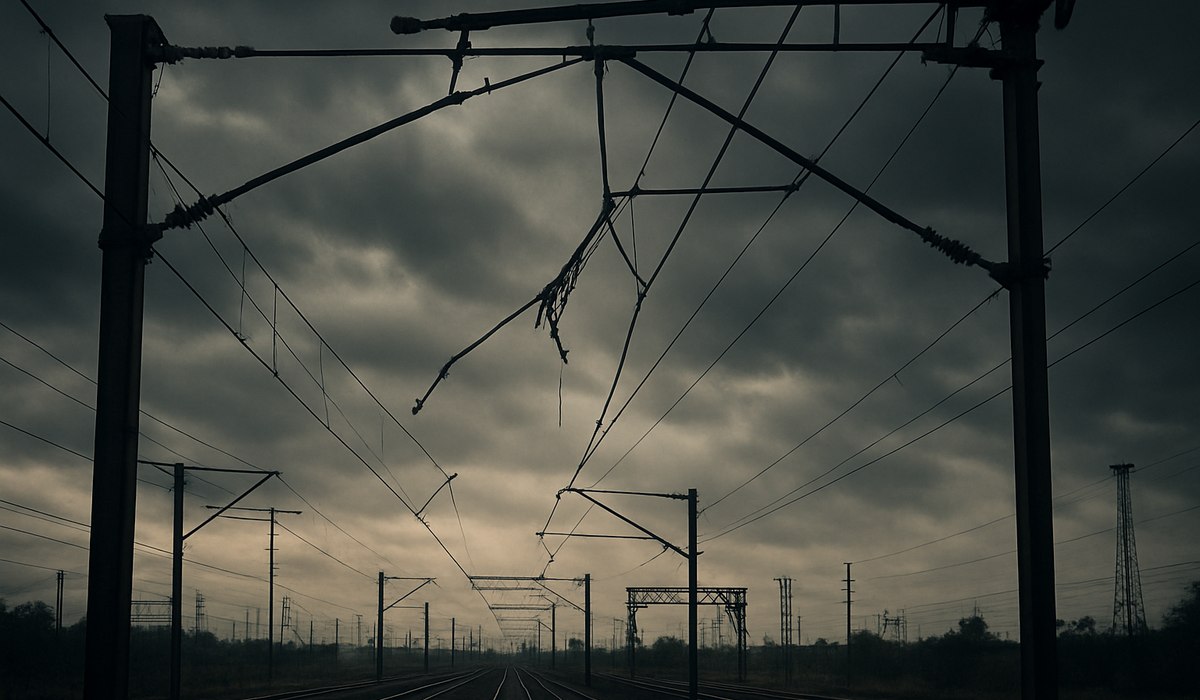
Image generated by AI
Eastern Denmark Faces Major Rail Collapse After Overhead Electrification Failure
A severe overhead electrical system failure swept through eastern Denmark on April 14, 2026, triggering the most significant rail disruption in the region for years. The catastrophic collapse of the catenary tensioning infrastructure forced infrastructure manager Banedanmark to halt all electric services east of Odense, stranding thousands of travelers and damaging more than 30 trains operated by Danish State Railways (DSB). The cascading failure would ripple through the network for days, exposing critical vulnerabilities in Denmark's aging overhead electrification system.
What Happened: The Catenary Collapse in West Zealand
The initial disruption Denmark line failure occurred east of Ringsted around mid-morning on April 14. However, the true scope of the emergency became apparent when overhead lines collapsed at Copenhagen's main railway station later that day. Infrastructure manager Banedanmark quickly mobilized engineers to investigate the root cause.
Engineers discovered that the catenary tensioning system—the sophisticated mechanical apparatus responsible for maintaining proper overhead line height—had experienced a systematic failure in West Zealand. This critical equipment malfunction caused the catenary wires to sag below their operational minimum height. As electric trains continued operating on the failing line, their pantographs (the devices that connect to overhead wires) pulled the already-weakened catenary down further, creating additional collapse points between Ringsted and Køge Nord.
The cascading nature of this disruption Denmark line event is significant. One mechanical failure triggered a domino effect of additional failures across multiple route segments. This compounding problem forced Banedanmark to make an unprecedented decision: halting all electric services across the entire eastern Denmark network east of Odense.
Root Cause: Tensioning System Failure and Overhead Line Vulnerability
The underlying cause of the disruption Denmark line event points directly to the catenary tensioning system's mechanical failure. This system operates under extreme tension to maintain consistent overhead wire height—typically between 5.5 and 6 meters above track level—across hundreds of kilometers of track.
When the tensioning system failed, the overhead electrical infrastructure lost its structural integrity. Rather than maintaining proper tension, the wires sagged progressively lower. Train pantographs, designed to maintain contact with correctly-positioned catenary, began pulling downward on the weakened wires. This created a feedback loop: lower tension bred more sagging, which caused pantographs to exert greater pulling force, which further compromised the system's integrity.
Banedanmark's investigation revealed that the West Zealand tensioning equipment had not been serviced or replaced according to schedule. The system's supporting components showed signs of metal fatigue and corrosion. This aging infrastructure proved unable to withstand the mechanical stresses of normal operations once internal components began degrading.
For travelers and rail operators, this failure underscores the hidden complexity of modern railway electrification. The overhead system—invisible to most passengers—represents one of the most technically demanding aspects of rail infrastructure. A single component failure can cascade into network-wide disruptions within hours.
Impact: Service Disruption and Extensive Train Damage
The disruption Denmark line event impacted millions of passenger journeys and caused severe damage to rolling stock. Banedanmark's decision to halt all electric services east of Odense immediately cut off rail connections between Copenhagen, Malmö, Roskilde, and numerous smaller communities throughout eastern Denmark.
More than 30 electric multiple units (EMUs) operated by DSB suffered damage during the collapse sequence. Some pantographs were torn from roofs when overhead lines gave way suddenly. Others sustained electrical damage from arcing or short circuits as the catenary system failed. Several trains were immobilized in locations where overhead infrastructure remained damaged, requiring specialized recovery operations before passengers could be evacuated safely.
The financial impact extended across multiple stakeholders. DSB faced repair bills for damaged rolling stock and lost revenue from canceled services. Banedanmark incurred substantial costs for emergency repairs and reinforcement work. Thousands of travelers were forced to seek alternative transport—by bus, car, or rerouting through other rail networks—adding costs and disruption to their journeys.
Service resumed on April 15, but not to normal capacity. DSB operated trains at significantly reduced frequency and in shorter train formations (fewer cars per service). This constraint reflected both the ongoing repair work and the need for thorough testing before full service restoration could proceed safely.
Recovery: Phased Service Restoration Across Eastern Denmark
The recovery process from the disruption Denmark line collapse unfolded methodically over several days. Banedanmark prioritized repairs to critical sections, focusing first on the primary routes connecting Copenhagen to regional centers.
By April 15, engineers had cleared the most severely damaged overhead sections and completed temporary repairs to restore partial service. DSB began operating limited electric services on major routes, though capacity remained severely restricted. Trains ran with reduced seating availability and at longer intervals between departures.
Throughout the remaining week of April, the frequency and train length gradually increased as additional overhead sections passed safety inspections. By April 20, most services had returned to near-normal operation, though some secondary routes remained on modified schedules to accommodate ongoing inspection and reinforcement work.
Banedanmark announced plans for comprehensive inspection of all catenary tensioning systems across Denmark's eastern network. The infrastructure manager scheduled accelerated replacement programs for aging tensioning equipment, with work expected to continue through summer 2026.
Key Data: The Disruption Denmark Line by the Numbers
| Metric | Details |
|---|---|
| Collapse Date | April 14, 2026 |
| Initial Failure Location | East of Ringsted, West Zealand |
| Secondary Failure Point | Copenhagen Central Station |
| Services Halted | All electric services east of Odense |
| Trains Damaged | 30+ electric multiple units (EMUs) |
| Service Resumption | April 15, 2026 (reduced capacity) |
| Network Coverage | Copenhagen, Malmö connector, Roskilde, Køge Noord routes |
| Root Cause | Catenary tensioning system mechanical failure |
| Affected Passengers (Est.) | 150,000+ daily commuters and long-distance travelers |
| Repair Duration | 6+ days for full service restoration |
How to Book the Best Fare
For travelers rebuilding their Denmark rail plans following the disruption Denmark line disruption, booking strategies differ based on travel timing and flexibility.
Immediate Rebooking: If your journey was disrupted on April 14-15, DSB offered automatic refunds or rebooking on alternative dates without penalty. Contact DSB directly through their website or call their customer service line to process claims. Most affected passengers receive compensation within 2-4 weeks.
Future Bookings Through April 2026: Book directly through DSB's official website for the most up-to-date service information and to avoid fare confusion during the recovery period. Prices may be elevated due to reduced train availability and increased demand for alternative services.
International Ticket Aggregators: Trainline provides real-time scheduling and pricing for Danish rail services, including alternative routing options. Using Trainline allows you to compare fares across multiple date options and identify the lowest available prices for your specific journey.
Booking Recommendations:
- Book at least 7-10 days in advance for April 2026 travel to secure standard pricing
- Check service frequency before booking—some secondary routes may still operate reduced schedules
- Purchase refundable or flexible tickets if possible, given the recent service instability
- Verify your specific route hasn't been affected by ongoing maintenance work
What This Means for Travelers
The disruption Denmark line collapse carries several important implications
Disclaimer
This article is for informational and educational purposes only. It does not constitute legal, financial, or professional advice. While we strive to provide accurate and up-to-date information, travel policies, regulations, and conditions change rapidly. Always verify information with official sources before making travel decisions. Nomad Lawyer makes no representations about the accuracy, reliability, completeness, or suitability of the information provided. Readers should consult qualified professionals for advice specific to their circumstances. The views expressed in this article are those of the author and do not necessarily reflect the views of Nomad Lawyer.
Kunal K Choudhary
Co-Founder & Contributor
A passionate traveller and tech enthusiast. Kunal contributes to the vision and growth of Nomad Lawyer, bringing fresh perspectives and driving the community forward.
Learn more about our team →