
Disney Cruise Line Expands Global Fleet Capacity by 50% with Disney Destiny and Disney Adventure in 2026
Disney Cruise Line accelerates global expansion with the launch of Disney Destiny and Disney Adventure, increasing stateroom capacity by 50% and targeting aggressive growth in the Asian cruise market.

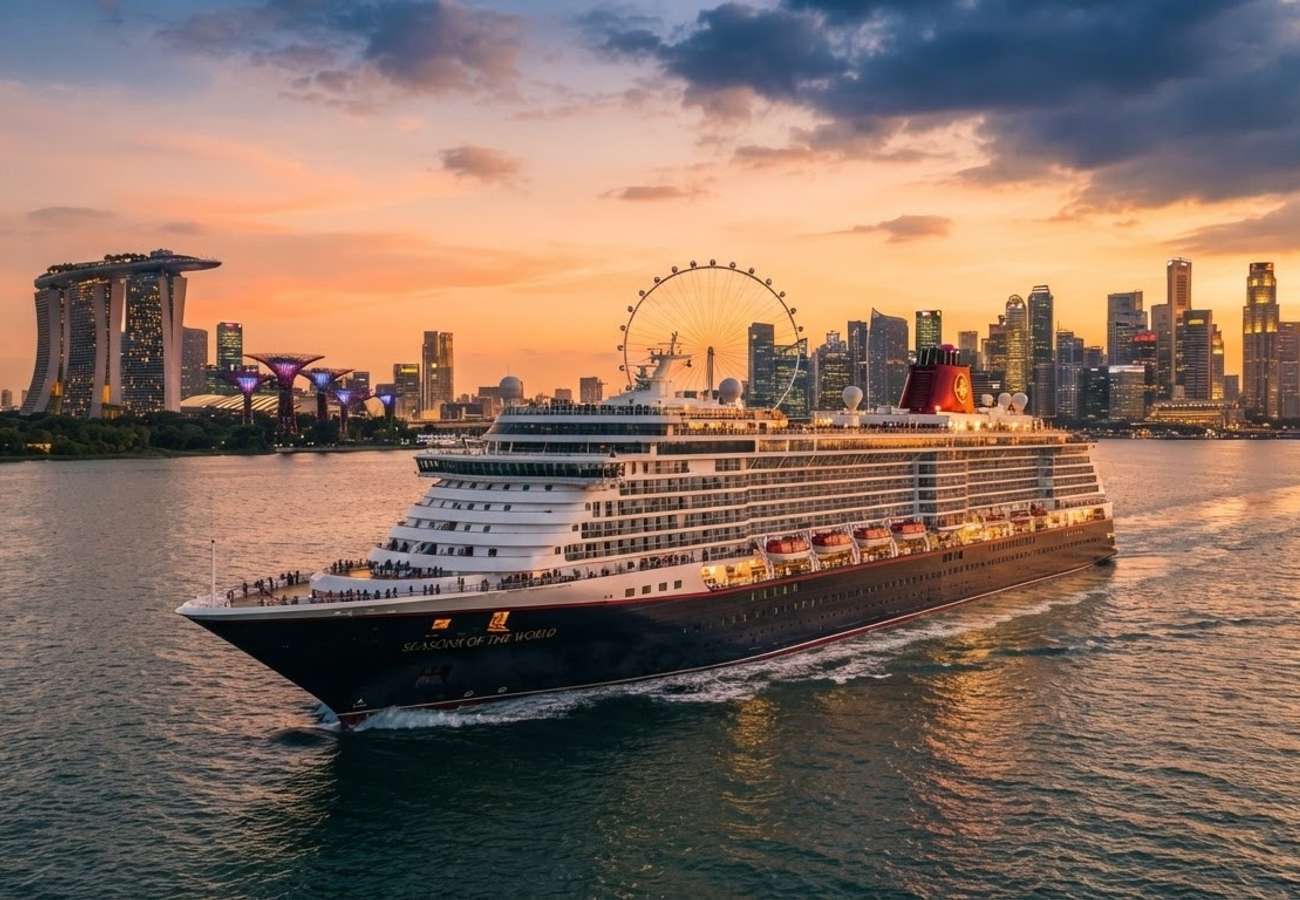
Image generated by AI
Disney Cruise Line has increased its available stateroom capacity by approximately 50% year-over-year. This surge is driven by the deployment of the Disney Destiny and Disney Adventure, signaling a strategic pivot toward high-capacity, immersive global tourism.
Strategic Fleet Expansion and Capacity Growth
Disney is aggressively transitioning from a theme-park-centric model to a comprehensive global vacation ecosystem. The Experiences division has leveraged the introduction of two new vessels—the Disney Destiny and the Disney Adventure—to scale its maritime operations.
Our analysis of the current expansion indicates that the 50% increase in stateroom capacity is designed to meet a rising demand for premium, branded family holidays. This growth is not merely about volume but about integrating storytelling and hospitality into a connected travel experience.
Regional Impact: The Asia-Pacific Pivot
A critical component of the 2026 strategy is the establishment of a strong foothold in Asia. The Disney Adventure has commenced operations from Singapore, utilizing the city-state's status as a primary aviation and maritime hub.
The Singapore deployment serves as a strategic gateway for passengers from:
- India
- Southeast Asia
- Other key international markets
This move transforms the regional cruise landscape, providing a direct economic stimulus to local ports, transportation providers, and shore-excursion operators through increased passenger spending in destination economies.
Operational Metrics and Market Demand
Data indicates a sustained upward trajectory for Disney’s tourism sector. The company reported a 4% year-over-year increase in global guest numbers, a figure that aggregates attendance across theme parks, resorts, and cruise passenger activity.
The shift in consumer behavior suggests that modern travelers are prioritizing "experience-based" journeys over traditional sightseeing. For the cruise sector, this manifests as a demand for all-inclusive luxury that combines accommodation, transport, and entertainment within a single booking.
Passenger Rights & Booking Advisory
For passengers booking these new high-capacity vessels, the increased demand creates specific logistical challenges. Our analysis of the current booking environment suggests the following:
Booking Timelines and Availability Because demand spikes significantly during school holidays and peak vacation windows, passengers should secure reservations well in advance. For the affected traveler, this means that waiting until the "last minute" for discounted fares may result in total unavailability on the Disney Adventure or Disney Destiny.
Financial Planning Beyond the Fare Passengers must account for "hidden" costs that are not included in the base cruise fare. To avoid budget overruns, travelers should factor in:
- Airfare to departure hubs (e.g., Singapore or Caribbean ports).
- Port taxes and gratuities.
- Premium onboard experiences and shore excursions.
Rebooking and Cancellation Rights While Disney operates under its own internal terms and conditions, passengers booking via third-party travel agents may have different protections. We advise passengers to verify if their booking is covered by the Package Travel Regulations (where applicable) or specific travel insurance policies that cover "cancel for any reason" (CFAR) scenarios, given the scale of these international itineraries.
Industry Analyst View
The expansion of Disney Cruise Line reflects a broader trend of "branded tourism." By leveraging intellectual property, Disney is reducing the risk associated with maritime expansion. Unlike traditional cruise lines that compete primarily on price or destination, Disney competes on emotional connection and reliability.
The focus on Singapore is particularly telling. By anchoring the Disney Adventure in Asia, Disney is hedging its bets against market saturation in the Caribbean and Bahamas, tapping into the rapidly growing middle-class travel market in Southeast Asia.
The shift toward immersive, high-capacity maritime travel suggests that the "theme park" is no longer a destination, but a mobile experience.
Related Travel Guides
Disclaimer
This article is for informational and educational purposes only. It does not constitute legal, financial, or professional advice. While we strive to provide accurate and up-to-date information, travel policies, regulations, and conditions change rapidly. Always verify information with official sources before making travel decisions. Nomad Lawyer makes no representations about the accuracy, reliability, completeness, or suitability of the information provided. Readers should consult qualified professionals for advice specific to their circumstances. The views expressed in this article are those of the author and do not necessarily reflect the views of Nomad Lawyer.
Raushan Kumar
Founder & Lead Developer
Full-stack developer with 11+ years of experience and a passionate traveller. Raushan built Nomad Lawyer from the ground up with a vision to create the best travel and law experience on the web.
Learn more about our team →